

How to Calm an Anxious Dog: Proven Products and Techniques
The most effective way to calm an anxious dog combines gentle physical pressure (from a calming vest or jacket), a safe familiar den space, a lick mat or puzzle toy to redirect nervous energy, and predictable daily routines — because anxiety in dogs responds best to a multi-layered approach rather than any single solution.
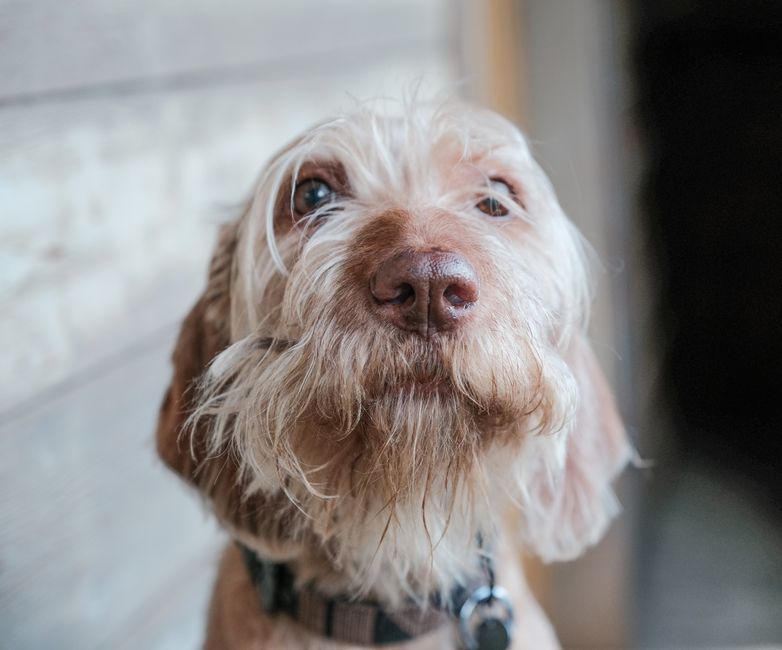
Understanding canine anxiety and its triggers
Dog anxiety affects an estimated 72% of dogs to some degree, whether occasional or chronic. Common triggers include thunderstorms, fireworks, separation from owners, unfamiliar people or environments, and sudden loud noises. Understanding what specifically causes your dog's anxiety is the first step toward addressing it effectively. Some dogs experience situational anxiety (triggered by specific events), while others develop generalized anxiety that appears throughout their daily lives. By identifying patterns in your dog's behaviour — increased pacing, whining, destructive chewing, or attempts to hide — you can anticipate anxious episodes and intervene before they escalate. Keeping a simple log of when anxiety occurs helps reveal which situations, times of day, or environmental factors consistently trigger stress responses.
Pressure wraps and anxiety jackets
Consistent, gentle pressure on the torso mimics being held — triggering the same calming effect as swaddling in infants. This principle, known as "deep pressure therapy," has been studied extensively in both human and animal psychology. A gentle-pressure comfort wrap is the classic approach: put it on 30 minutes before a known trigger (fireworks, thunderstorms, vet visits) for best effect. The gentle, constant pressure activates the parasympathetic nervous system — the body's natural "rest and digest" response — which counteracts the stress hormones released during anxiety episodes.
For dogs that run cold or need extra comfort, a cosy cotton anxiety jacket provides warmth alongside the pressure effect. Physical warmth itself can be soothing; many anxious dogs seek out warm blankets or their owner's lap during stressful moments. A calming warm vest suits anxious dogs in cooler climates or those that shiver when stressed. The combination of snug pressure and thermal comfort creates a multi-sensory calming environment.
Redirect anxious energy with enrichment and mental stimulation
Anxiety often manifests as excess nervous energy that builds without an outlet. Licking triggers endorphin release and activates the calming parasympathetic nervous system — the same system that helps your dog fall asleep naturally. Giving an anxious dog a lick mat filled with peanut butter, yoghurt, or wet food when a stressor begins interrupts the anxiety cycle and gives them something purposeful to focus on rather than pacing or destructive behaviour.
A snuffle mat works the same way through scent work and foraging instincts. Engaging a dog's natural sniffing and searching behaviours taps into their problem-solving brain, shifting mental focus away from whatever is causing stress. Puzzle toys and interactive feeders similarly occupy the mind and mouth, providing sustained mental engagement that outlasts many anxiety-inducing events. Rotating different enrichment toys keeps novelty high and prevents habituation, ensuring these tools remain effective over time.
Create a safe retreat space
Dogs feel safer in small, enclosed spaces during stress — this is why many naturally seek closets, under beds, or behind furniture when frightened. Providing a designated "safe space" gives anxious dogs agency and control. Crate training with a covered crate, or a designated corner with familiar bedding, gives anxious dogs somewhere to go rather than pacing or attempting escape behaviours. The enclosure reduces visual stimulation and creates a den-like environment that triggers instinctive comfort responses.
A foldable pet tent creates a portable den — useful at home, at friends' houses, or during travel. Portable retreat spaces are especially valuable for dogs whose anxiety occurs in multiple environments. Place familiar bedding, toys, and a worn item of your clothing inside to increase the sense of security and familiarity. Ensure your dog can access this space freely and learns it as their positive, consequence-free zone — never use it as punishment.
Establish predictable routines and environmental control
Anxiety thrives in unpredictability. Dogs with anxiety benefit enormously from consistent daily schedules: the same feeding times, walk times, play sessions, and sleep routines. This predictability reduces overall stress load and helps your dog's nervous system regulate more effectively. Keeping your own energy calm and matter-of-fact during your dog's anxious moments also matters significantly — dogs are highly attuned to human emotion, and your anxious fussing can amplify their stress rather than soothe it.
Environmental control involves minimizing unnecessary triggers where possible. Close curtains during fireworks season, use white noise or calming music to mask sudden outdoor sounds, and establish "quiet zones" away from household chaos. Gradually exposing your dog to anxiety triggers at very low intensities — a technique called "desensitization" — can reduce sensitivity over time, but this should be done slowly and carefully to avoid reinforcing fear.
Comparison of common calming solutions
| Solution | Best for | Time to effect | Duration |
|---|---|---|---|
| Pressure vests/jackets | Acute triggers (fireworks, vet visits) | 15–30 minutes | 2–8 hours per wearing |
| Lick mats and enrichment toys | Redirecting energy during anxious episodes | Immediate | 15–45 minutes per use |
| Safe retreat spaces (tents, crates) | Chronic anxiety and stress management | Varies (requires training) | As long as needed during anxious period |
| Routine and predictability | Long-term anxiety reduction and prevention | Weeks to months | Ongoing benefit |
What to avoid
- Punishing fearful behaviour — it increases anxiety and damages trust between you and your dog.
- Forcing a dog toward the trigger — this worsens sensitivity over time and teaches your dog that the trigger is indeed dangerous.
- Coddling excessively during panic — calm, matter-of-fact behaviour from you is more reassuring than anxious fussing or excessive attention.
- Relying on a single solution — anxiety typically requires multiple complementary approaches for best results.
- Ignoring severe anxiety signs — persistent self-harm, complete appetite loss, or inability to function warrants professional veterinary assessment.
When to involve your veterinarian
While many anxious dogs improve significantly with environmental management, enrichment, and comfort products, some cases require professional support. Your vet can rule out underlying medical conditions that might be contributing to anxiety, recommend behavior modification training from a certified professional, and discuss whether supplements (like L-theanine or probiotics) or prescription medication might help. Medication is not a substitute for behaviour work, but it can sometimes lower anxiety enough that your dog can engage more effectively with training and environmental strategies.
Browse all calming vests and comfort wear for anxious dogs.
Frequently asked questions
Do anxiety vests work for all dogs?
Around 80% of dogs show reduced anxiety signs with a properly fitted pressure wrap — results vary by individual dog and anxiety type. Some dogs respond immediately, while others need several exposures to adjust to wearing the vest comfortably.
How tight should an anxiety vest be?
Snug but not restrictive — you should be able to slide two fingers underneath any strap. The vest should feel like a gentle, constant hug without limiting your dog's movement or breathing.
Can I use multiple calming products at once?
Yes, combining approaches is often more effective than relying on one solution alone. Many owners successfully use a pressure vest alongside enrichment toys and a safe retreat space for maximum anxiety reduction.
How long can my dog wear an anxiety vest safely?
Most anxiety vests can be worn for 4–8 hours comfortably, though some dogs tolerate them all day. Check your dog's skin regularly, especially around the straps, to ensure no irritation develops from prolonged wearing.
When should I see a vet about my dog's anxiety?
If anxiety is severe, constant, or causing self-harm (excessive licking, scratching, hair loss), a vet can assess whether behaviour modification, supplements, or medication would help. Also consult your vet if anxiety suddenly worsens or appears without an obvious trigger.
Want more must-haves your dog & cat will love? Discover them all at Petopia Dreams (petopiadreams.com).
🛍 Shop the gear: Browse our Feeding & Water collection →