

How to Choose a Dog Raincoat: Stay Dry on Every Walk
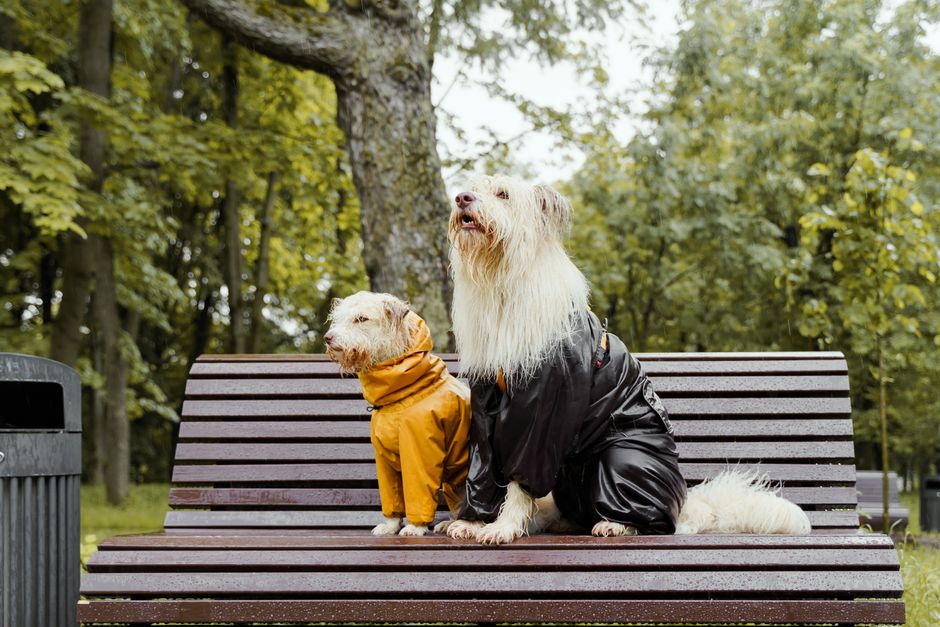
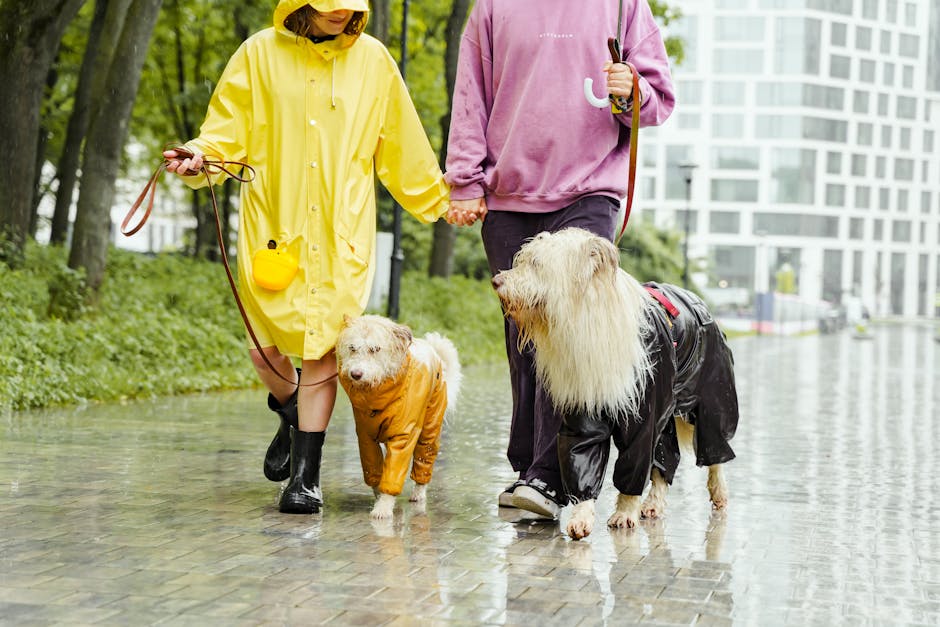
The best dog raincoat is waterproof (not just water-resistant), covers the back and belly, and stays on without slipping during regular walking motion. For most dogs, a lightweight nylon raincoat with an adjustable belly strap is the most practical option year-round.
Does My Dog Need a Raincoat?
Not every dog needs a raincoat, but many benefit significantly:
- Short-haired breeds (Greyhounds, Vizslas, Chihuahuas) — little natural insulation when wet
- Small dogs — lose body heat fast; wet fur can cause hypothermia in cold rain
- Senior dogs — joint pain worsens in cold, wet conditions
- Double-coated breeds in winter — wet undercoat takes hours to dry and can cause skin problems
- Dogs with skin conditions — wet skin can worsen dermatitis or hot spots
Thick double-coated dogs like Huskies or Malamutes generally don't need raincoats — their outer coat is naturally water-repellent.
Waterproof vs. Water-Resistant: What's the Difference?
Waterproof means rain cannot penetrate the fabric — your dog stays dry even in heavy rain. Water-resistant only repels light drizzle; sustained rain will soak through. For anything beyond a light sprinkle, choose waterproof.
Key Features in a Good Dog Raincoat
- Waterproof outer shell — PU-coated nylon or TPU laminate fabric
- Adjustable neck and belly straps — prevents slipping and flapping during walks
- Hood or collar protection — keeps head and ears dry
- Reflective strips — essential for visibility in low-light rainy conditions
- Leash hole or D-ring access — allows harness use underneath
- Easy on/off — Velcro closures are faster than buttons in wet conditions
Dog Raincoat Sizing Guide
Measure: (1) back length from base of neck to base of tail, (2) chest girth at widest point. Always use the larger measurement when between sizes.
| Size | Back Length | Chest Girth | Typical Breeds |
|---|---|---|---|
| XS | 8–10 in | 12–14 in | Chihuahua, Yorkshire Terrier |
| S | 11–13 in | 15–18 in | Dachshund, Shih Tzu |
| M | 14–17 in | 19–23 in | Beagle, Cocker Spaniel |
| L | 18–22 in | 24–29 in | Border Collie, Labrador |
| XL | 23–27 in | 30–36 in | German Shepherd, Golden Retriever |
How to Get Your Dog Used to a Raincoat
- Let your dog sniff the raincoat — don't force it on immediately
- Lay the coat on the floor and reward any curiosity with treats
- Put it on for 1–2 minutes at home with heavy rewards
- Gradually increase wear time before trying it outside
- First outdoor use: in dry weather, for a short walk with extra treats
Frequently Asked Questions
Should a dog raincoat cover the belly?
Ideally yes, especially for small dogs and females. Belly coverage prevents the underbelly from getting soaked in puddles or long wet grass. Look for coats with a belly flap or extended coverage.
Can my dog wear a harness under a raincoat?
Yes, but check for a leash hole or opening in the raincoat's back. Most quality dog raincoats include a hole or ring that lets you clip a leash to the harness underneath without removing the coat.
How do I clean a dog raincoat?
Most dog raincoats are machine washable in cold water with gentle detergent. Avoid fabric softener — it can damage the waterproof coating. Hang to dry rather than using a tumble dryer.
Are dog raincoats cruel?
No. A properly fitted raincoat that the dog has been desensitized to is a comfort item, not a stressor. Dogs that hate rain often tolerate raincoats more readily than you'd expect once properly introduced.
Recommended for You

Related Articles
Want more must-haves your dog & cat will love? Discover them all at Petopia Dreams (petopiadreams.com).
🛍 Shop the gear: Browse our Grooming & Care collection →
📖 Go deeper: Read our complete guide →