

Pet Strollers: Who Actually Needs One (And What to Look For)
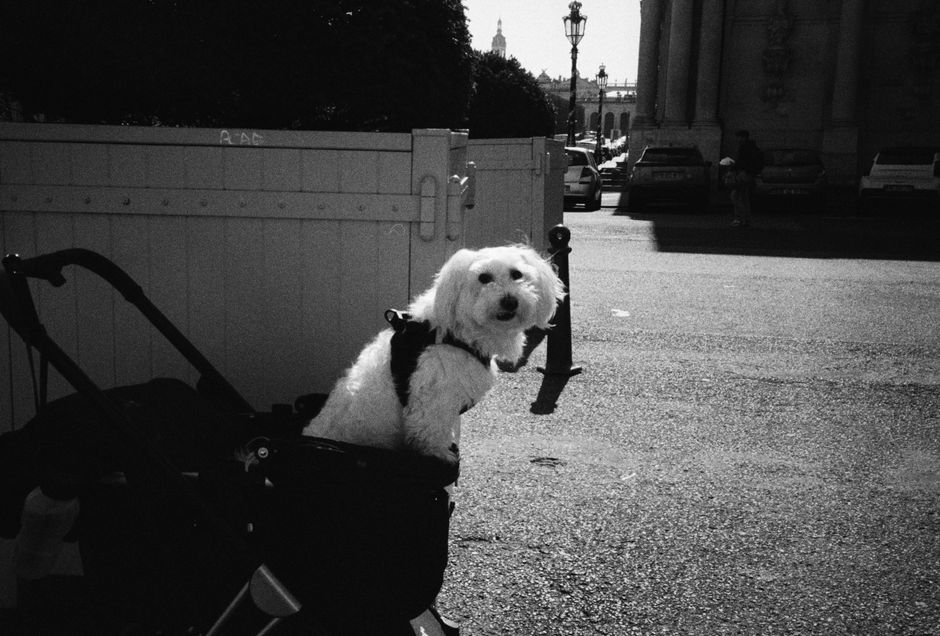
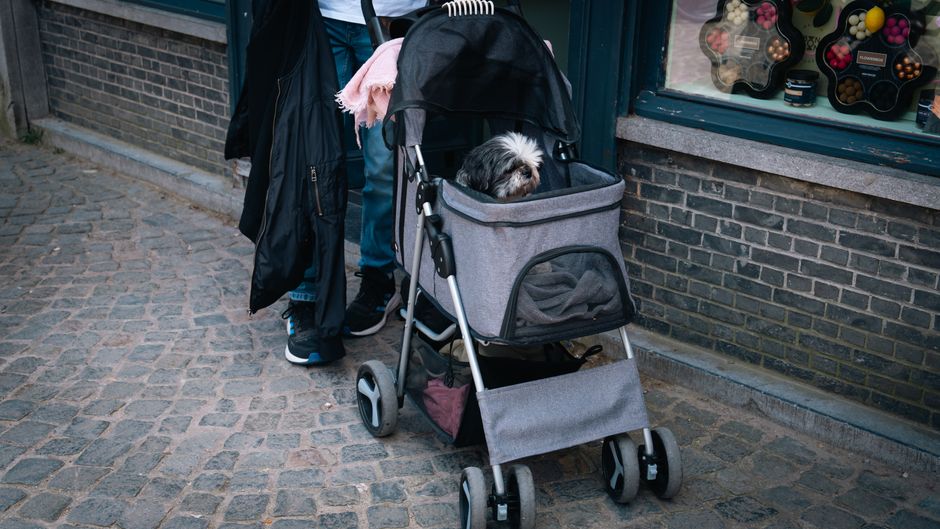
Pet strollers are not a luxury — for senior pets, recovering animals, small dogs in high-traffic areas, or cats who want to experience the outdoors safely, a stroller is a practical mobility and enrichment solution.
Who Actually Benefits from a Pet Stroller?
Pet strollers get a bad reputation as indulgent, but the actual use cases are overwhelmingly practical:
- Senior dogs with arthritis or hip dysplasia — can still enjoy walks and smell the world without walking the full distance
- Post-surgery recovery — vet-ordered rest doesn't mean isolation; strollers allow outdoor time without weight-bearing
- Small dogs in urban environments — protection from foot traffic, aggressive dogs, hot pavement, and road debris
- Cats who want outdoor enrichment — safely experience fresh air, sights, and smells without escape risk
- Multi-pet households — walk a dog while transporting a cat, or take two pets that walk at different speeds
- Disabled or partially paralyzed pets — maintain quality of life and outdoor experience
Key Features to Look For
Weight Capacity
Most pet strollers are rated for 15–30 lbs. Large breed strollers exist up to 50–80 lbs. Weigh your pet and add 20% buffer — a stroller operating at max capacity wears out faster and handles poorly.
Mesh Ventilation
Essential for warm weather. The enclosure should have full mesh panels on multiple sides (front, sides, and top). Solid fabric strollers overheat quickly — avoid them for summer use.
Suspension
Rear suspension absorbs bumps on uneven terrain. Critical for senior pets with joint issues — a rough ride defeats the purpose of a comfortable outing.
Brake System
A locking rear brake is non-negotiable for safety. If you stop to rest and the stroller rolls away, the consequences can be serious. Look for a foot-operated brake that locks securely.
Entry Points
- Top entry — easy for cats and small dogs
- Front/side door — better for arthritic pets who can't jump in
- Both — most versatile option
Storage
An undercarriage basket is useful for long walks — water bowls, waste bags, treats. Check that it doesn't restrict wheel clearance.
Pet Stroller vs. Pet Carrier Bag: Which Is Better?
| Factor | Pet Stroller | Carrier Bag |
|---|---|---|
| Range | Long distances, hilly terrain | Short distances, flat surfaces |
| Pet weight | Up to 80 lbs | Usually under 15 lbs |
| User comfort | No physical strain | Back/shoulder strain on long trips |
| Pet space | Can sit, stand, turn around | Limited to curled position |
| Portability | Folds flat, some fit in car trunks | Lightweight, goes anywhere |
How to Introduce Your Pet to a Stroller
- Set up the stroller indoors and leave it open in a familiar room
- Place treats and familiar blankets inside
- Let your pet enter on their own — don't force them in
- Practice pushing short distances indoors with the pet inside
- First outdoor use: a quiet street or park with few distractions
Most cats take 3–5 introduction sessions before they're comfortable in motion. Dogs typically adapt faster.
Frequently Asked Questions
Is a pet stroller safe for cats?
Yes, when the enclosure is fully secured with zippers or clasps. Ensure there's no gap your cat could squeeze through. Never leave a cat unattended in a stroller.
Can two dogs share one stroller?
Only if the total weight is within the stroller's capacity and both dogs get along well. Double-wide strollers exist for two small dogs. Do not exceed weight limits — it stresses the frame and axles.
How do I clean a pet stroller?
Remove the interior liner and hand wash or machine wash on gentle. Wipe down the frame with pet-safe disinfectant spray. Clean wheels after muddy outings with a damp cloth. Check all fasteners and zippers after cleaning.
Are pet strollers allowed in shopping malls and stores?
Policy varies by location. In pet-friendly areas (pet supply stores, some outdoor markets), strollers are welcome. In food establishments, most prohibit pets regardless of transport method. Always check store policy before entering.
Recommended for You

Want more must-haves your dog & cat will love? Discover them all at Petopia Dreams (petopiadreams.com).
🛍 Shop the gear: Browse our Trending Now collection →