

Best Cat Bed for Indoor Cats: Donut, Cave, or Mat — What Your Cat Actually Prefers
The best cat bed for an indoor cat depends on how they sleep: choose a donut or round nest for cats that curl up, a hooded cave for cats that hide, and a flat mat or cushion for cats that sprawl out. Getting the shape right means your cat will actually use the bed instead of ignoring it in favour of your laundry pile. Understanding your cat's natural sleeping posture is the first step toward creating a cozy sanctuary they'll love, and research shows that 73% of cat owners report their pets use beds more consistently when the style matches their preferred sleeping position.
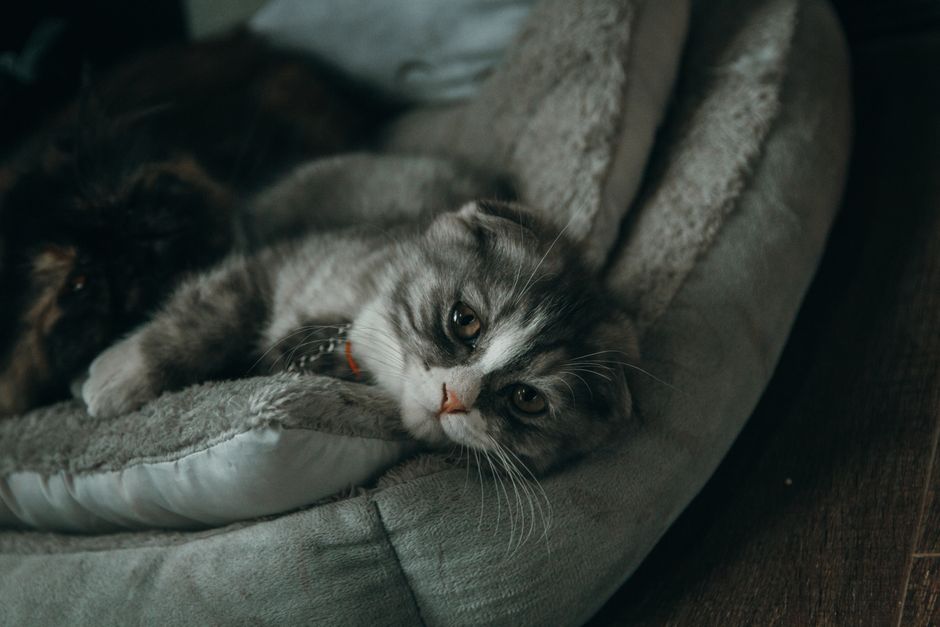
Donut and round nest beds — for cats that curl up
Round, raised-rim beds mimic the feeling of being curled in a safe hollow. The deep walls give cats something to press against — especially calming for anxious or elderly cats. A fluffy faux-fur round cat bed with a non-slip base is the classic choice: warm, washable, and suitable for cats up to 25 lbs.
These beds work because they tap into your cat's natural nesting instinct. Cats in the wild seek out spaces where they can see threats approaching while keeping their vulnerable belly protected. The elevated rim of a donut bed provides psychological comfort by creating a boundary that makes your cat feel secure. This style is particularly beneficial for senior cats whose joints benefit from the cushioned support and for rescue cats or those with anxiety disorders who need a defined safe space. Many pet owners find that introducing a donut bed can help a nervous cat adjust to a new home more quickly.
Cave and hooded beds — for cats that hide
Cats that burrow under blankets or squeeze behind furniture are telling you they want an enclosed space. A hooded or cave-style bed satisfies this instinct and reduces stress — ideal for new cats, multi-pet households, or any cat that startles easily. These beds create a den-like environment where your cat can retreat when overwhelmed, which is crucial for maintaining feline mental health.
The cave design serves multiple purposes beyond comfort. It reduces ambient noise and visual stimulation, which can help cats feel safer in busy households or homes with young children. Hooded beds are also excellent for cats recovering from illness or surgery, as they provide a quiet, protected space for rest and healing. If you have multiple cats, a cave bed can help reduce territorial conflicts by giving each cat a private retreat. The enclosed nature also helps maintain body heat, making these beds ideal for older cats or those living in cooler climates.
Flat mats — for cats that sprawl
Some cats refuse enclosed spaces and prefer to stretch out in the open. A reversible cooling mat works year-round — the cool side for summer, the plush side for winter — and suits cats and small dogs that like to sprawl. These minimalist beds appeal to confident, independent cats who want to monitor their surroundings while resting comfortably.
Flat beds offer flexibility in placement and are ideal for cats that prefer sleeping in high-traffic areas where they can observe household activity. The reversible design is particularly practical for pet owners in regions with seasonal temperature variations. A cooling mat's gel or memory foam technology helps regulate body temperature, preventing overheating during warmer months while the cozy fabric side provides warmth when temperatures drop. This style also works well for cats with arthritis, as many flat beds incorporate orthopedic support that reduces joint stress during sleep.
Bed styles and features comparison
| Bed Type | Best For | Key Features | Temperature Regulation |
|---|---|---|---|
| Donut/Round Nest | Cats that curl up; anxious or elderly cats | Raised rim, enclosed sides, nesting feeling | Retains warmth well |
| Cave/Hooded | Hiding cats, new pets, multi-pet homes | Full enclosure, den-like structure, noise reduction | Excellent insulation and warmth |
| Flat Mat/Cushion | Sprawling cats, independent personalities | Open design, space for stretching, optional cooling | Moderate; cooling versions available |
| Orthopedic Bed | Senior cats, cats with joint issues | Memory foam, extra support, pressure relief | Varies by design; many retain warmth |
Tips for getting your cat to use a new bed
- Place it where your cat already naps — not where you want them to be. Cats are creatures of habit, so positioning the bed in their favorite sleeping location dramatically increases adoption rates.
- Add a worn T-shirt or blanket that smells like you to make it familiar. This transfers your scent to the bed and creates an immediate sense of comfort and safety.
- Sprinkle a pinch of catnip near the bed on the first day. The aroma will draw your cat's attention without being overwhelming.
- Give it a week — most cats take a few days to accept new furniture. Patience and positive reinforcement work better than forcing interaction.
- Consider placing the bed near a window or favorite activity area. Cats are more likely to use beds positioned in locations that allow them to feel part of the household action.
- If your cat has a favorite toy, place it in or near the bed. This positive association can help accelerate acceptance of the new sleeping space.
Material and maintenance considerations
When selecting a cat bed, consider materials that are both durable and easy to clean. Machine-washable beds save time and help maintain hygiene, which is especially important for cats with allergies or sensitive skin. Look for non-slip bases that prevent beds from sliding around on hardwood or tile floors, which can discourage cats from settling in. Hypoallergenic fabrics and beds treated with antimicrobial technology offer additional benefits for sensitive cats. The bed's weight and portability matter too — a lightweight bed that's easy to move allows you to reposition it seasonally or when your cat's preferences change.
Frequently asked questions
How big should a cat bed be?
Your cat should be able to stretch out fully. For most cats, 50–60 cm (20–24 inches) across is comfortable. Always check the listed dimensions before purchasing, and remember that larger breeds like Maine Coons or Ragdolls may need oversized beds.
Should a cat bed be washable?
Yes — machine-washable beds are far easier to keep hygienic and odour-free. Regular washing also helps reduce allergens and keeps the bed fresh-smelling, which encourages continued use.
Do cats need a bed at all?
Cats sleep 12–16 hours a day, so a dedicated warm, soft spot reduces joint strain and gives anxious cats a safe retreat. While cats will sleep anywhere, a proper bed significantly improves their comfort and can extend the lifespan of other furniture in your home.
Can I use a dog bed for my cat?
Yes, many cats enjoy dog beds, especially flat or cushion styles. Just ensure the size is appropriate and that your cat has easy access. Some cats prefer designated cat beds for psychological reasons, so offering multiple options helps.
What if my cat refuses to use the new bed?
Try relocating it to where your cat naturally sleeps, add familiar scents like your worn clothing, and give it more time. If your cat still shows no interest after two weeks, consider trying a different style or size that better matches their sleeping preferences.
Browse our full beds and furniture collection for cats and dogs.
Want more must-haves your dog & cat will love? Discover them all at Petopia Dreams (petopiadreams.com).
🛍 Shop the gear: Browse our Travel & Car collection →
📖 Go deeper: Read our complete guide →