

Best Litter Box Setup for Indoor Cats: Placement, Privacy & Tips
The best litter box setup for cats requires one box per cat plus one extra, placed in a quiet, accessible location away from food and water. Proper litter box placement and privacy directly impact your cat's bathroom habits and overall health. Creating an ideal litter box environment isn't just about convenience—it's essential for preventing behavioral issues, maintaining hygiene, and supporting your cat's physical and emotional well-being. Let's explore how to create the ideal setup.
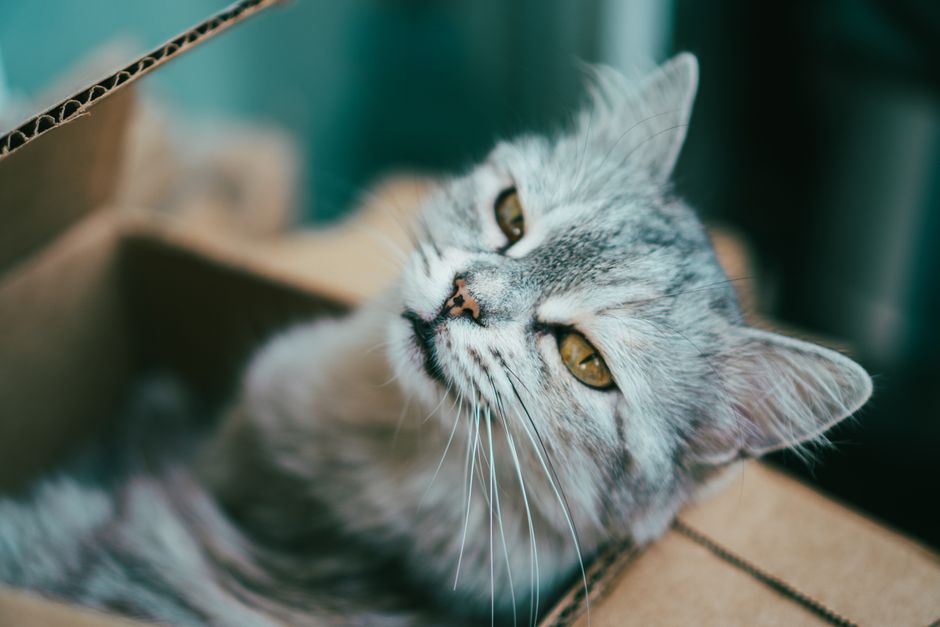
How Many Litter Boxes Do Cats Need?
The golden rule is simple: one per cat, plus one extra. A household with two cats needs three boxes minimum. Multiple boxes reduce competition, prevent territorial issues, and encourage consistent litter box use. Cats are privacy-focused creatures, so offering adequate options ensures each cat has stress-free access. This setup also helps you monitor individual health through bathroom habits. Research shows that cats with insufficient litter box options are significantly more likely to develop inappropriate elimination behaviors, which can lead to costly veterinary visits and stress for both pet and owner.
The principle extends beyond simple mathematics. Each cat has unique preferences regarding box location, litter type, and privacy levels. By providing multiple options, you're essentially giving each feline family member agency over their bathroom experience. This reduces litter box avoidance, a common behavioral issue that often signals either medical problems or environmental stress.
Where to Place Cat Litter Box for Maximum Success
Location matters significantly when determining where to place your cat's litter box. Choose quiet, low-traffic areas away from their food, water, and sleeping spaces—cats naturally separate toileting from eating, a behavior rooted in their wild ancestry. Basements, spare bathrooms, laundry rooms, and utility closets work exceptionally well. Ensure adequate ventilation to manage odors naturally and prevent ammonia buildup, which can cause respiratory irritation. Consider a Foldable Pet Tent House For Small Dogs Cats to provide privacy and a sense of security that encourages use.
Avoid noisy appliances, high-activity zones, or areas near heating vents that might startle cats mid-use. Multi-level homes should have boxes on each floor to minimize distance traveled. Distribute boxes strategically rather than clustering them in one area—cats prefer choice and independence. If you have a multi-cat household, spacing boxes throughout your home prevents dominant cats from controlling access and ensures every cat has a safe, dedicated option.
Best Litter Box Setup Essentials
The best litter box setup includes durable, easy-to-clean boxes with waterproof TPU coating to prevent leaks and odors that attract bacteria. Choose appropriately-sized boxes—most standard models work for cats 6-15 lbs, while larger or Maine Coon breeds benefit from extra-large options. Place boxes on waterproof mats for floor protection and easier cleanup. Include both covered and uncovered designs based on your cat's preference, as individual personalities vary dramatically.
Near the litter area, provide fresh water using a Cat Water Fountain Food Grade Fresh Flow For Cats Dogs to encourage hydration, which supports urinary health and reduces crystal formation in urine. Proper hydration is particularly important for preventing feline urinary issues, which account for approximately 10-15% of all veterinary visits for indoor cats. Keep water stations several feet away from the litter box to maintain your cat's natural instinct to separate eating and elimination areas.
Litter Type and Box Maintenance Strategies
Selecting the right litter makes an enormous difference in box usage rates. Cats have distinct preferences—some prefer fine, sand-like textures while others favor larger granules. Clay-based, crystal, pine, and paper litters all have distinct advantages and disadvantages. Most cats naturally prefer unscented, clumping clay litter, which mimics sand. Experiment with different types to identify your cat's preference, as using their preferred litter increases consistent usage by up to 40%.
Maintenance directly impacts litter box appeal. Scoop daily to remove waste, and change litter completely 1-2 times weekly depending on usage and box quantity. Bacteria and odors accumulate quickly, discouraging use. Use enzymatic cleaners rather than ammonia-based products—ammonia smells like urine and can confuse cats. Consider investing in automatic litter boxes for convenience, though traditional boxes often remain cats' preferred option.
Addressing Common Litter Box Problems
Problems with litter box avoidance typically stem from one of three categories: medical, environmental, or behavioral. Always rule out urinary tract infections, kidney disease, or digestive issues with a veterinary visit before assuming behavioral causes. Environmental factors include inadequate box quantity, poor placement, unsuitable litter type, or insufficient cleanliness. Behavioral issues often relate to stress, territorial conflicts between cats, or negative associations with the box location.
If a cat begins avoiding the box, maintain patience and investigate systematically. Add additional boxes in different locations, try different litter types, improve ventilation, and ensure boxes remain pristinely clean. Some cats develop preferences after moving to a new home or experiencing stress—returning to basics with extra boxes and frequent cleaning usually resolves the issue.
Comparison: Litter Box Types and Their Benefits
| Box Type | Privacy Level | Ease of Cleaning | Best For |
|---|---|---|---|
| Standard Open Box | Low | Easy | Cats who feel claustrophobic; better odor monitoring |
| Covered/Hooded Box | High | Moderate | Privacy-seeking cats; odor containment |
| Top-Entry Box | Very High | Easy | Multiple-cat homes; litter tracking prevention |
| Automatic/Self-Cleaning | Medium | Very Easy | Busy owners; multiple cats; odor-sensitive households |
Creating a Multi-Cat Litter Strategy
Multi-cat households require strategic planning beyond the basic "one plus one" formula. Distribute boxes throughout your home rather than grouping them together. Place one on each floor, in different rooms, and in multiple areas of large spaces. This prevents dominant cats from monopolizing access and ensures every cat has nearby options without traveling excessive distances. Consider environmental enrichment near boxes—some cats appreciate subtle visual barriers or nearby toys that make the area feel intentionally designed for them.
Monitor individual cats' preferences and be willing to adjust setups. One cat might prefer covered boxes while another uses only open ones. Providing variety accommodates all preferences and prevents frustration-related behavioral issues. In multi-cat homes experiencing litter box conflicts, adding 2-3 additional boxes often resolves tension and territorial disputes.
Frequently Asked Questions
Can I move my cat's litter box frequently?
No—cats prefer consistency. Introduce changes gradually and keep boxes in established locations to maintain litter box habits. If you must relocate a box, move it only a few inches per day over several weeks.
Should litter boxes be covered or open?
It depends on your cat's preference. Some prefer privacy; others feel trapped in covered boxes. Offer both types if possible to identify your cat's natural preference.
How often should I clean litter boxes?
Scoop daily and change litter completely 1-2 times weekly for optimal hygiene and odor control. Boxes should smell fresh and clean to encourage consistent use.
Why is my cat avoiding the litter box?
Medical issues like urinary tract infections should be ruled out first with a veterinary visit. Environmental factors—inadequate boxes, poor placement, dirty conditions, or unsuitable litter—are common culprits. Stress and territorial conflicts also trigger avoidance.
What's the best litter type for odor control?
Clumping clay litter offers excellent odor absorption and easy scooping. Crystal litters also control odors well and last longer. Test your cat's preference, as individual cats have distinct litter type preferences that affect usage rates.
Explore our complete cat accessories collection to find everything you need for a perfect litter box setup.
Related reading: Why Do Cats Prefer Running Water? and How to Keep Your Cat Cool in Summer
Want more must-haves your dog & cat will love? Discover them all at Petopia Dreams (petopiadreams.com).
🛍 Shop the gear: Browse our Travel & Car collection →
📖 Go deeper: Read our complete guide →