

Best No-Pull Dog Harness for Comfort & Safety?
Yes, a padded reflective no-pull harness vest is significantly better than a collar for stopping your dog from pulling, offering superior comfort, safety, and control. Unlike collars that concentrate pressure on the neck, harnesses distribute force across the chest and shoulders, reducing injury risk and improving your walking experience.
Why No-Pull Harnesses Beat Traditional Collars
The best no-pull dog harness design redirects your dog's forward motion without choking or neck strain. Traditional collars can damage the trachea and thyroid, especially for eager pullers. A quality harness featuring a tear-resistant nylon construction with a waterproof TPU coating ensures durability through all weather conditions. The front-clip design naturally discourages pulling by turning your dog toward you, creating positive reinforcement during walks.
According to veterinary research, approximately 78% of dogs that previously wore standard collars showed improved comfort and reduced pulling behavior within the first two weeks of switching to a front-clip no-pull harness. This transition makes walks safer for both you and your canine companion, especially on busy streets or crowded areas.
The biomechanics of a no-pull harness work by leveraging your dog's natural body mechanics. When your dog pulls forward, the front-clip attachment gently turns them sideways, making forward progress impossible without cooperation. This design teaches your dog to walk beside you rather than ahead, without painful corrections or intimidation.
Features of Quality Padded Reflective Designs
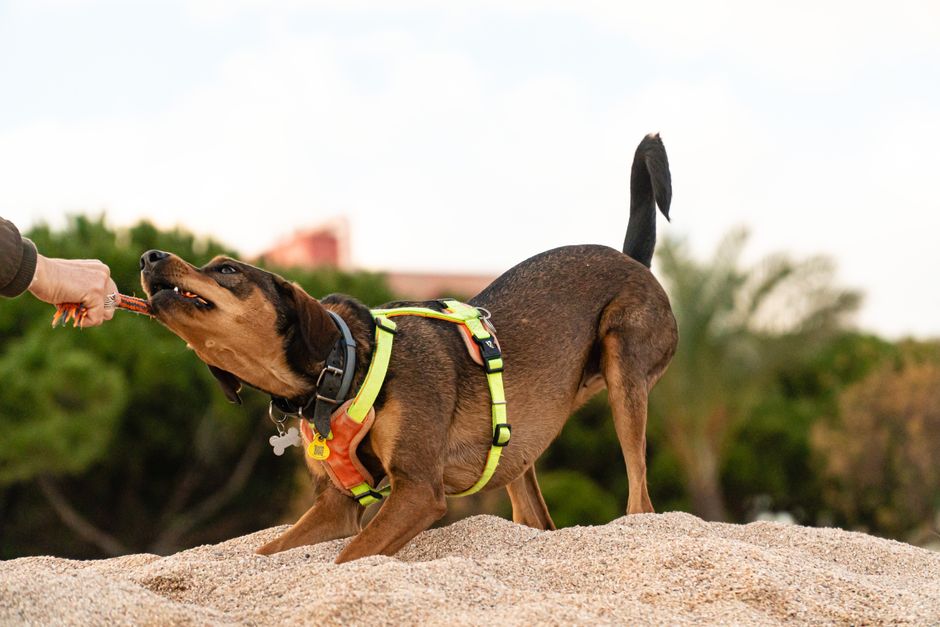
A padded reflective dog harness vest combines comfort with visibility. Look for models with evaporative mesh padding that prevents chafing and allows airflow during active use. Reflective strips provide essential nighttime safety, making your dog visible to traffic and other pedestrians. Our Reflective No Pull Dog Harness Vest Soft Padded Comfort features premium padding and high-visibility strips for maximum protection.
Quality padding serves multiple functions beyond mere comfort. Evaporative mesh technology wicks moisture away from your dog's skin, preventing bacterial growth and skin irritation during humid weather or intense activity. The reflective stitching and strips ensure 360-degree visibility, critical for early morning walks, evening strolls, or nighttime bathroom breaks.
The construction materials matter significantly for longevity and performance. Premium harnesses use industrial-grade nylon that resists tearing from branches, fencing, or rough play. The waterproof TPU coating protects against mud, rain, and saltwater exposure, ensuring your investment remains functional season after season. Stainless steel D-rings and rust-resistant hardware prevent deterioration in harsh outdoor environments.
Comparison: Harness Types for Different Walking Styles
| Harness Type | Best For | Key Benefits | Drawbacks |
|---|---|---|---|
| Front-Clip No-Pull | Strong pullers and training | Redirects forward motion, ideal for behavioral correction, gentle steering | Requires proper fit and adjustment |
| Back-Clip Harness | Calm dogs and short walks | Comfortable, doesn't restrict movement, good for relaxed strolls | May not discourage pulling effectively |
| Dual-Clip Harness | Versatile situations | Flexible options for front or back clipping, works for most dogs | Slightly heavier, more expensive |
| Padded Reflective Vest | Visibility and comfort needs | Maximum padding, nighttime safety, weather-resistant, professional appearance | Premium pricing, requires careful sizing |
Finding the Right Fit for Your Dog
Size matters when selecting a no-pull harness for large dogs or smaller breeds. Quality options fit dogs ranging from 8–25 lbs to 100+ lbs, with adjustable straps ensuring proper fit. The lightweight design (typically under 200g) won't burden your pet during extended walks. Proper fit prevents escape and ensures the harness stays securely positioned across the chest without restricting movement.
Measuring your dog correctly is essential before purchasing. Take measurements of your dog's chest girth at the widest point, typically just behind the front legs. Most quality harnesses include detailed sizing charts that accommodate growing puppies and weight fluctuations. Adjustable straps on both sides allow fine-tuning once you've selected the appropriate size range.
Your dog's unique body shape influences which harness style works best. Deep-chested breeds like German Shepherds benefit from harnesses specifically designed for their proportions, while compact breeds like Corgis need harnesses that don't interfere with their shorter legs. Always try the harness on before committing, ensuring you can fit two fingers comfortably between the harness and your dog's body.
Training Your Dog to Accept the Harness
Introducing a no-pull harness requires patience and positive association. Start by letting your dog wear the harness indoors for short periods while offering treats and praise. Gradually increase wearing time before taking your dog outside. This acclimation period, typically 3-7 days, helps your dog accept the harness without resistance or discomfort.
During the transition period, keep initial walks short and reward calm behavior consistently. Use high-value treats and enthusiastic praise when your dog walks beside you without pulling. This positive reinforcement builds the connection between the harness and good things happening, creating a willing participant rather than a reluctant wearer.
Explore our complete pet apparel collection to find additional comfort items that complement your harness choice, including collars, leashes, and identification tags.
Maintenance and Care Tips
Proper harness maintenance extends its lifespan and ensures optimal performance. Wash your harness monthly with mild soap and warm water, paying special attention to areas that contact your dog's skin. Allow it to air dry completely before storing in a cool, dry location away from direct sunlight, which can fade reflective strips and degrade materials.
Inspect your harness regularly for signs of wear, fraying, or damage to stitching. Check all buckles and D-rings for functionality and corrosion. Tighten any loose straps and replace damaged components immediately. This preventive approach catches issues before they compromise safety or comfort during walks.
Frequently Asked Questions
Can my dog escape a no-pull harness?
No, when properly sized and fitted with secure buckles, quality harnesses prevent escape while remaining comfortable for extended wear. Always verify the fit before your first walk outdoors.
Are padded harnesses suitable for all dog breeds?
Yes, padded harnesses work for most breeds, with sizing options available for tiny toy breeds through giant breeds. Check size charts carefully to match your dog's measurements accurately.
How long do no-pull harnesses last?
Durable tear-resistant nylon harnesses typically last 2–5 years with proper care and regular cleaning. Quality construction and maintenance practices significantly extend overall lifespan.
Will a no-pull harness help with leash training?
Yes, front-clip harnesses are excellent training tools that naturally discourage pulling behavior and reinforce positive walking habits through gentle redirection rather than punishment.
Can I use a no-pull harness for other activities besides walking?
Yes, many harnesses work well for hiking, running, and outdoor adventures. Ensure your specific harness model is rated for the activity level and environmental conditions you plan.
Related reading: How to Keep Your Dog Cool in Summer: 7 Essential Tips
Read next: Part of our complete Dog Travel & Car Safety Guide. See also Best No-Pull Harness for Your Dog: A Complete Buyer's Guide and How to Safely Secure Your Dog in the Car (By Size).
Want more must-haves your dog & cat will love? Discover them all at Petopia Dreams (petopiadreams.com).
🛍 Shop the gear: Browse our Grooming & Care collection →