

Best Orthopedic Dog Bed: Senior & Puppy Joint Support Guide
The best orthopedic dog bed for senior dogs and puppies with joint support needs is a high-density memory foam bed with a waterproof, tear-resistant cover that contours to the body while distributing weight evenly across hips, elbows, and spine. This design reduces pressure on arthritic joints in older dogs and cushions the fast-growing skeletal frames of puppies, both of which benefit from consistent, supportive rest surfaces. Choosing the right thickness, size, and material combination matters just as much as the foam itself.
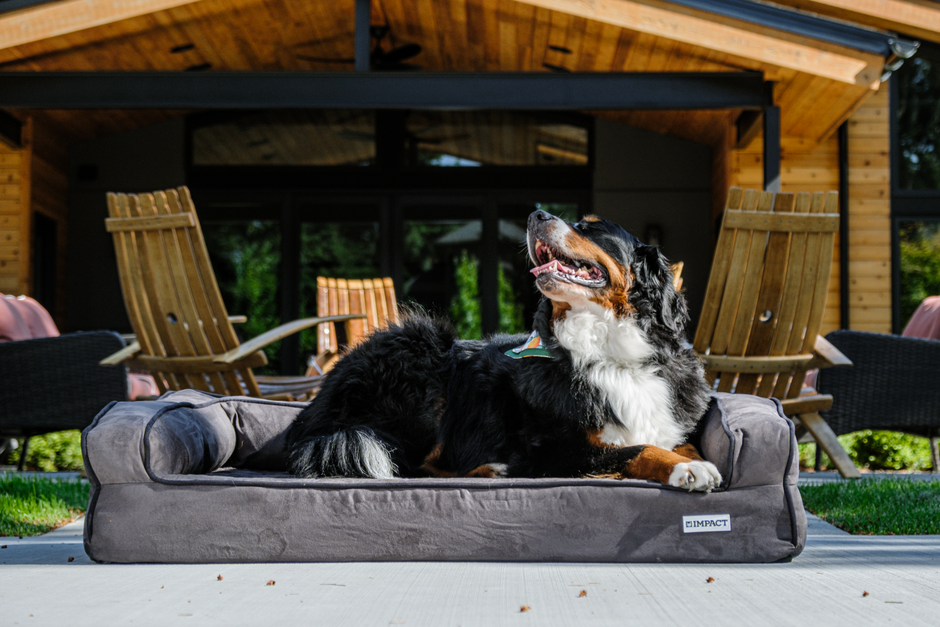
How orthopedic support actually works
Orthopedic dog beds use viscoelastic memory foam that compresses under body heat and weight, then slowly returns to shape. Unlike standard polyfill cushions that flatten within months, memory foam maintains structural integrity for years, which is why a genuine orthopedic dog bed for senior dogs outperforms a basic cushion for dogs with arthritis, hip dysplasia, or post-surgical recovery needs. The foam spreads pressure across a wider surface area instead of concentrating it at bony points like hips and elbows, reducing the pressure-point pain that disrupts sleep in aging dogs.
For puppies, the same principle applies differently: a memory foam dog bed for growing dogs supports developing joints and cartilage during rapid growth spurts, when uneven sleeping surfaces can contribute to poor posture habits. A well-designed base layer should be at least 3-4 inches thick for medium and large breeds to prevent "bottoming out," where the dog's weight compresses through the foam to the hard floor beneath.
Choosing between senior and puppy joint support needs
Senior dogs and puppies have overlapping but distinct requirements. Senior dogs need firmer, denser foam that won't sag under reduced mobility and repeated pressure in the same spots, plus low bed walls they can step over without straining hips. Puppies need a best puppy bed for joint support that's slightly more resilient and washable, since accidents and chewing are common during the training period.
Bed shape matters too. Bolstered, rectangular beds work well for seniors who like to lean against a raised edge for support when lying down or standing up. Flat mat-style beds suit puppies who are still learning to settle and may move around more. The Reversible Cooling Dog Bed Mat Cool Summers Cozy Winters is a strong flat-mat option because it adapts to seasonal temperature swings, which matters for joint stiffness that often worsens in cold weather and for puppies who overheat easily during active play.
Materials that determine durability and comfort
Cover material affects both comfort and lifespan. Tear-resistant nylon outer shells resist claw snags and chew damage, which is especially relevant for teething puppies. A waterproof TPU coating beneath the removable cover protects the foam core from moisture, urine, and drool, preventing mold growth and odor buildup inside the foam itself. Evaporative mesh panels, when present, help regulate airflow so the bed doesn't trap heat against a dog's body overnight.
| Bed Type | Best For | Key Material | Durability Rating |
|---|---|---|---|
| Standard memory foam | Senior dogs, joint pain | High-density foam, TPU coating | High |
| Reversible cooling mat | Year-round comfort, puppies | Evaporative mesh, tear-resistant nylon | Medium-High |
| Portable travel bed | Camping, car trips, vet visits | Waterproof TPU shell | Medium |
| Basic polyfill cushion | Short-term, low support needs | Polyester fill, no coating | Low |
Sizing and weight specifications for every life stage
Correct sizing is non-negotiable for orthopedic benefit. A bed that's too small forces a dog to curl unnaturally, undoing any joint support the foam provides. As a general rule, small breeds and puppies under 25 lbs do well with compact beds that fit dogs 8-25 lbs, while larger seniors need beds sized to their full stretched-out body length plus 4-6 inches on each side.
Weight of the bed itself matters for portability. A lightweight 200g mat-style option travels easily in a car or crate, which is why the Portable Waterproof Dog Bed For Camping Travel is a practical secondary bed for dogs who need consistent joint support away from home, whether at a vet's office, campsite, or relative's house.
Small dogs (8-25 lbs)
Medium dogs (25-50 lbs)
Large dogs (50-90 lbs)
Giant breeds (90+ lbs)
Recommended foam thickness scales with body weight to prevent bottoming out under pressure points.
Safety and health features to check before buying
Look for BPA-free foam and covers, especially for puppies prone to chewing bed edges. A removable, machine-washable cover reduces bacteria buildup that can aggravate skin allergies in dogs already dealing with joint inflammation. Some travel and outdoor beds include a reflective strip along the seam, useful for nighttime bathroom breaks with senior dogs who move slower and are harder to spot in the dark.
Non-slip bottoms prevent the bed from sliding on hardwood or tile, which matters because a shifting bed can cause a dog to overextend a joint while getting up. Stitched, reinforced seams also prevent foam exposure, which is a choking and ingestion hazard if a dog chews through a weak seam.
Roughly 20% of dogs over age 7 show clinical signs of arthritis, making joint-supportive bedding a practical daily intervention.
Memory foam beds retain shape roughly 3x longer than standard polyfill cushions under repeated daily pressure.
Puppies spend an estimated 18-20 hours per day sleeping during peak growth phases, making bed quality directly relevant to skeletal development.
Care, cleaning, and maintenance routines
Wash removable covers weekly using a gentle, fragrance-free detergent to avoid skin irritation, particularly for dogs with sensitive or aging skin. Spot-clean the foam core rather than fully submerging it, since saturated foam can trap moisture and develop odor or mildew even with a waterproof TPU coating on the outer layer. Air-dry foam inserts flat rather than in a dryer, as high heat can break down the cell structure and shorten the bed's supportive lifespan.

Rotate and fluff mat-style beds periodically to prevent uneven compression in one spot, which is common when a dog consistently favors the same sleeping position due to joint discomfort. Inspect seams and zippers monthly for wear, replacing covers before small tears become large enough for a dog to access and chew the foam underneath.
Common mistakes pet owners make
The most frequent mistake is buying based on breed averages rather than the individual dog's actual weight and sleeping posture. A dog that sprawls needs more surface area than one that curls tightly, regardless of breed standard size charts. Another common error is choosing decorative fluff over functional density, since a beautiful bed with thin, low-density filling provides little actual orthopedic value.
Owners also often skip sizing up for arthritic dogs who need extra room to reposition without straining, and they overlook seasonal needs, assuming one bed works year-round when temperature-reactive joints often need a cooling option in summer and added warmth in winter, which reversible designs solve directly.
Frequently asked questions
What is the best orthopedic dog bed for senior dogs with arthritis?
A high-density memory foam bed with a low, easy-access edge and a washable, tear-resistant cover provides the firmest, most consistent joint support for arthritic seniors.
Can puppies use the same orthopedic beds as senior dogs?
Yes, though puppies benefit most from a slightly firmer, more resilient memory foam dog bed for growing dogs that can handle chewing and accidents during training.
How thick should an orthopedic dog bed be?
Thickness should scale with weight, ranging from about 2-3 inches for small dogs up to 4-5 inches or more for large and giant breeds to prevent bottoming out.
Are cooling mats suitable as orthopedic beds?
Yes, reversible cooling mats can double as joint-support surfaces when they include a supportive foam or padded layer, making them useful year-round for temperature-sensitive joints.
How often should I replace my dog's orthopedic bed?
Replace the bed when the foam no longer springs back after pressure, typically every 2-3 years with daily use, or sooner if seams or covers are damaged.
Browse Petopia Dreams' full beds & furniture collection to find the right orthopedic support for your senior dog or growing puppy today.
Related reading: Calming beds for anxious dogs and Cooling mats for summer comfort.
Want more must-haves your dog & cat will love? Discover them all at Petopia Dreams (petopiadreams.com).