

Best Ceramic Cat Water Fountains: Complete Buyer's Guide
The best ceramic cat water fountain for most cats is one with a whisper-quiet electric pump, BPA-free ceramic construction, and a multi-level design that encourages hydration. Ceramic fountains combine durability with safety, making them ideal for cats who prefer running water. This guide helps you find the perfect electric cat water fountain dispenser for your feline friend.
Why Choose a Ceramic Cat Water Fountain?
Ceramic cat water fountains offer superior durability compared to plastic alternatives. The best ceramic cat water fountain 2024 models feature non-porous ceramic material that resists bacterial growth and staining. Unlike plastic, ceramic won't scratch easily or retain odors. When selecting an electric cat water fountain dispenser, ceramic construction ensures your investment lasts years while keeping your cat's water fresh and clean.
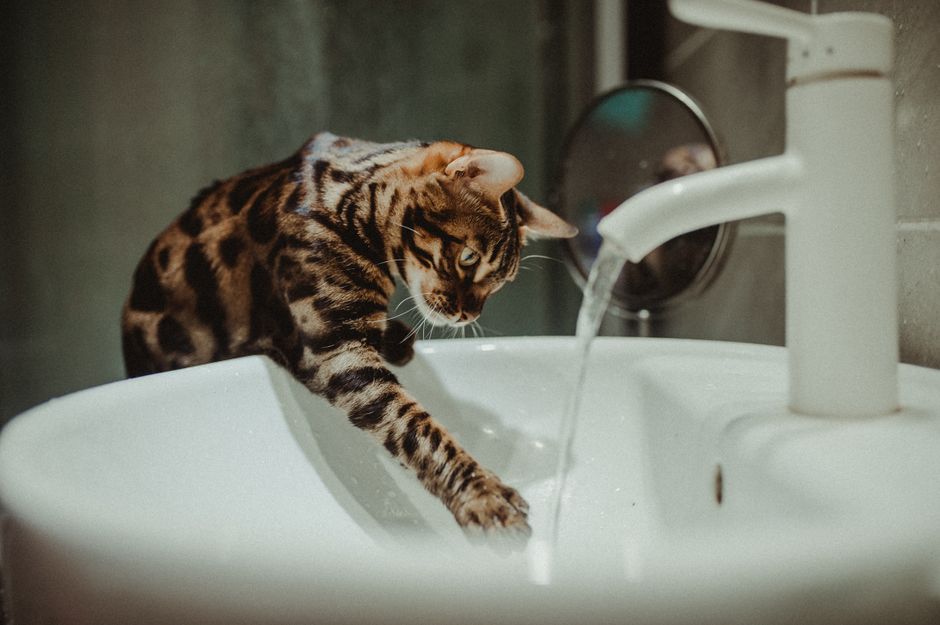
Beyond aesthetics, ceramic fountains provide genuine health advantages. Studies show that approximately 90% of cats prefer running water to still water in bowls, which directly correlates with improved hydration levels. This behavioral preference exists because cats instinctively seek flowing water sources in nature, which are typically fresher and safer than stagnant pools. By choosing a ceramic cat water fountain, you're aligning your pet's water consumption habits with their natural instincts, potentially preventing urinary and kidney issues that can develop from chronic dehydration.
Key Features to Look For
The ideal ceramic cat water fountain combines practical design with health benefits. Look for fountains weighing under 3 pounds—lightweight enough to move for cleaning but sturdy enough for stability. The Ceramic Cat Water Fountain Electric Drinking Dispenser includes BPA-free components that protect your cat's health. Whisper-quiet motors (under 40 decibels) prevent stress, while replaceable evaporative mesh filters maintain water clarity and quality.
Additional considerations include water capacity and circulation speed. Most ceramic cat water fountains hold between 60 and 100 ounces, requiring refills every 3-5 days for single-cat households. The circulation rate should accommodate your cat's drinking style—some cats prefer gentle trickling, while others enjoy more robust water flow. Look for adjustable flow controls that let you customize the experience. The ceramic material itself should be food-grade and lead-free, certified for pet safety. Multi-level designs with cascading platforms not only look attractive but also encourage cats to drink from different levels, extending the fountain's lifespan by distributing water evenly.
| Feature | Ceramic Fountains | Plastic Fountains | Stainless Steel Fountains |
|---|---|---|---|
| Durability (Years) | 5-10+ | 2-4 | 8-12+ |
| Bacterial Resistance | Excellent (Non-porous) | Good (Can scratch) | Excellent |
| Temperature Comfort | Warm to touch | Can feel cold | Cold to touch |
| Average Cost | $40-80 | $25-50 | $60-120 |
Installation and Maintenance Tips
Setting up an electric cat water fountain dispenser takes minutes. Most models require simply filling the ceramic basin and plugging in the motor. Clean filters monthly and replace every 2-3 months depending on water hardness. The ceramic construction makes cleaning effortless—most pieces are dishwasher safe. Proper maintenance ensures your ceramic cat water fountain operates optimally for years.
To maximize fountain lifespan, use filtered or distilled water when possible. Tap water minerals can accumulate on ceramic surfaces and inside the pump mechanism, reducing efficiency and potentially causing mechanical issues. Establish a regular cleaning schedule: empty the basin daily, wash the ceramic components with warm soapy water, and inspect the pump intake for debris. Most ceramic fountains have removable parts that simplify deep cleaning. If you notice reduced water flow, mineral buildup is likely the culprit—soak affected parts in white vinegar for 30 minutes to dissolve deposits naturally without harsh chemicals that could harm your cat.
Health Benefits for Your Feline Friend
Cats are notoriously poor drinkers, often consuming insufficient water through diet alone. A ceramic cat water fountain encourages natural drinking behaviors and significantly increases daily water intake. Proper hydration supports kidney function, prevents urinary tract infections, and promotes overall wellness. Older cats and those prone to kidney disease especially benefit from the enhanced water consumption that fountains facilitate. The flowing water mimics natural sources, triggering your cat's instinctive preference for fresh, oxygenated water over stagnant alternatives.
Comparing Different Fountain Styles
Ceramic cat water fountains come in multiple designs suited to different preferences. Classic pedestal models offer elegant aesthetics, fitting seamlessly into home décor. Tiered fountains provide multiple drinking levels, beneficial for multi-cat households where social hierarchies exist. Flower-shaped designs appeal to cats who enjoy splashing and playing while drinking. Wall-mounted ceramic fountains save floor space in small homes or apartments. Consider your cat's personality, your bathroom or kitchen layout, and your decorating style when selecting a fountain design that works for your household.
Budget Considerations and Long-Term Savings
While ceramic cat water fountains require an initial investment of $40-80, the long-term value justifies the cost. A quality ceramic fountain outlasts three to four plastic alternatives, reducing replacement expenses over time. Additionally, improved hydration prevents health complications that could result in expensive veterinary bills. The electricity costs remain negligible—a typical ceramic fountain consumes approximately 1.5-2 watts continuously, translating to less than $2 annually. When you factor in durability, health benefits, and operating costs, ceramic fountains represent intelligent spending for cat owners committed to their pet's wellbeing.
Check our complete feeding bowls and fountain collection for additional hydration solutions and complementary ceramic cat water fountain options suited to your specific needs.
Frequently Asked Questions
How often should I change the water?
Change the water completely every 2-3 days and clean the basin weekly to prevent algae and bacteria buildup.
Is ceramic better than stainless steel?
Ceramic is non-porous and warmer to the touch, while stainless steel is more durable; choose based on your cat's preferences and your lifestyle priorities.
Do electric fountains use much electricity?
Most cat fountains consume under 2 watts—roughly $2 annually in electricity costs, making them economical to operate continuously.
Can multiple cats use the same ceramic water fountain?
Yes, ceramic fountains work well for multiple cats, though larger capacity models (80+ ounces) are recommended to ensure all cats have access to fresh water without frequent refilling.
What should I do if my fountain stops working?
First clean the pump intake and motor area of mineral deposits using vinegar solution; if that doesn't restore function, check that the pump is fully submerged in water and consider replacing the filter or pump motor as needed.
Related reading: How to Keep Your Dog Cool in Summer: 7 Essential Tips
Read next: Part of our complete Cat Hydration Guide. See also Cat Not Drinking Enough Water? Why a Pet Water Fountain Helps and Ceramic vs Plastic Cat Water Fountain: Which Material Is Best?.
Want more must-haves your dog & cat will love? Discover them all at Petopia Dreams (petopiadreams.com).
🛍 Shop the gear: Browse our Feeding & Water collection →
📖 Go deeper: Read our complete guide →