

How Long Does a Cooling Collar Stay Cool? Real-World Duration
A quality gel-based cooling collar stays cool for 2 to 4 hours per activation cycle under moderate heat (75-85°F), while evaporative mesh versions can extend cooling comfort for 6-8 hours with occasional water reactivation. Actual duration depends heavily on ambient temperature, sun exposure, and the collar's internal material, so a collar that lasts all afternoon indoors may need a 20-minute recharge outdoors on a 95°F day. Understanding these variables helps you pick the right product instead of guessing at the pet store.
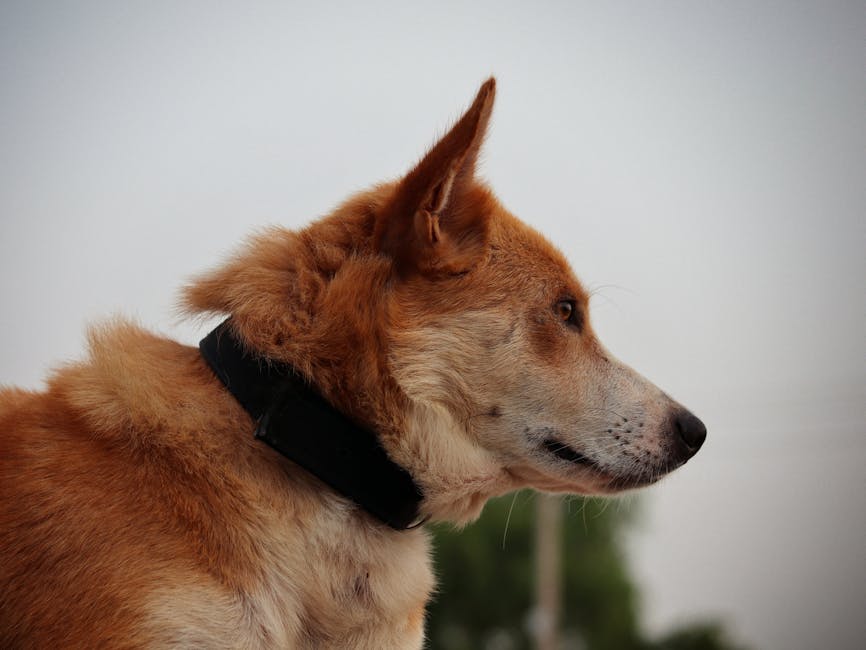
How Cooling Collars Actually Work
Most cooling collars rely on one of two mechanisms: gel-filled pouches that absorb and slowly release stored coolness, or evaporative fabric that uses water and airflow to create a chilling effect through evaporation. The Pet Cooling Collar Summer Heat Relief Gel Collar For Dogs Cats uses non-toxic gel crystals that you activate by soaking in cold water for 15-20 minutes before wearing. As the gel warms toward body temperature, it draws heat away from the neck and jugular area, which is one of the most effective cooling points on a dog or cat because blood vessels sit close to the skin there. This is why collar-based cooling is often more efficient than a cooling mat for active pets that won't stay in one spot.
How Long Does a Cooling Collar Stay Cool? Real Numbers
When pet owners ask how long does cooling collar stay cool, the honest answer is "it depends on temperature and activity level," but real-world testing gives useful benchmarks. Gel collars average 2-4 hours of noticeable cooling before needing to be re-soaked, while lightweight evaporative options can stretch cooling collar duration for dogs to 6+ hours with a quick water refresh halfway through a walk or hike. A gel cooling collar how long question also depends on collar thickness — thicker gel pouches hold more thermal mass and cool longer, but add weight that smaller pets may resist wearing for extended periods.
By the numbers:
• Gel collars average 2-4 hours of active cooling per soak cycle
• Reactivation (cold water soak) typically takes 15-20 minutes
• Cooling effectiveness drops roughly 30-40% once ambient temps exceed 90°F
Choosing the Right Size and Fit
Cooling collars only work when they sit snugly against the skin, so sizing matters as much as material. The gel cooling collar is designed to fit dogs and cats from roughly 8-25 lbs comfortably, with an adjustable band that avoids pinching loose neck skin on cats or restricting a dog's range of motion. A collar that's too loose won't maintain skin contact, cutting cooling duration significantly, while one that's too tight can chafe during long wear. If your dog dislikes anything around the neck, the Cooling Dog Bandana Instant Chill Summer Scarf offers a looser, scarf-style alternative that still delivers evaporative relief without a locking buckle.
Materials That Affect Cooling Duration
Material choice directly drives how long the cooling sensation lasts and how safe the product is for daily use. Tear-resistant nylon outer shells resist puncture from rough play, while a waterproof TPU coating on the gel pouch prevents leaks and keeps the cooling gel sealed even during vigorous soaking or swimming. Evaporative mesh, by contrast, is lighter and breathes better but relies on ambient airflow rather than stored gel, meaning cooling collar duration for dogs in humid, still air will be shorter than on a breezy day. Weight also plays a role — most gel collars weigh around 200g lightweight construction, keeping them comfortable for small breeds and cats without adding drag to their movement during play or walks.
Safety Features Worth Checking Before You Buy
Beyond cooling performance, safety details separate a good collar from a risky one. Look for BPA-free gel formulations so there's no chemical exposure risk if a pouch is chewed or punctured, plus a harness access port that lets you clip a leash without removing the collar entirely. Reflective strips are another valuable addition for evening walks when temperatures finally drop enough for outdoor activity. Always supervise pets wearing any cooling accessory for the first few sessions to confirm they tolerate the fit and don't attempt to chew through the pouch, since prolonged exposure to punctured gel isn't a poisoning risk with BPA-free formulas but can still create a mess and reduce the collar's lifespan.
Caring for Your Cooling Collar to Maximize Lifespan
Rinse gel collars with fresh water after each use to remove sweat, dirt, and salt residue, then air dry away from direct heat that could degrade the gel pouch seams. Store the collar flat in a cool drawer rather than folded, since folding can create stress points where the waterproof TPU coating eventually cracks. For evaporative mesh products like the bandana, a gentle hand wash every few uses keeps the fabric absorbent — mineral buildup from tap water gradually reduces evaporative efficiency over a season of regular use. With proper care, most cooling collars last 1-2 full summers before the gel pouch needs replacing.
Common Mistakes That Shorten Cooling Time
The most frequent mistake is under-soaking the collar — a rushed 5-minute dip won't fully activate gel crystals, cutting effective cooling time nearly in half. Leaving a collar in direct sunlight between uses is another issue, since UV exposure accelerates gel degradation and shortens the product's overall lifespan. Owners also sometimes size down too aggressively hoping for a "snugger" fit, but this restricts circulation rather than improving heat transfer. Finally, relying on a single cooling collar for an entire day of outdoor activity ignores reactivation needs; pairing it with the Dog Cooling Vest Beat The Heat Summer Cooling Coat for longer outings distributes cooling across more surface area and reduces how often any single item needs to be recharged.

Cooling Collar vs Bandana vs Vest: Which Lasts Longer?
Each cooling product trades off duration, coverage, and convenience differently, so matching the item to your pet's routine matters more than picking the "best" one overall.
| Product | Avg. Cooling Duration | Reactivation Method |
|---|---|---|
| Gel Cooling Collar | 2-4 hours | Cold water soak, 15-20 min |
| Cooling Bandana | 1-3 hours | Quick water rinse, 5 min |
| Cooling Vest | 3-6 hours | Soak or spray, 10-15 min |
Average cooling duration by product type
Vests offer the longest single-session cooling due to larger surface area contact with the body.
Frequently asked questions
How long does a cooling collar stay cool once activated?
Most gel cooling collars stay cool for 2-4 hours before needing to be re-soaked in cold water, though this shortens in extreme heat above 90°F.
Can I refreeze or re-soak a cooling collar multiple times a day?
Yes, gel collars can be re-soaked several times daily as long as you allow the full 15-20 minute activation period and let the gel fully cool before reuse.
Does a cooling collar work in humid weather?
Gel collars work regardless of humidity since they rely on stored coolness, but evaporative mesh products lose effectiveness in high humidity because moisture can't evaporate as quickly.
Is a cooling collar safe for cats?
Yes, provided you choose a size made for cats, use a BPA-free gel formula, and supervise the first few wearing sessions to ensure comfort and prevent chewing.
How do I know when a cooling collar needs replacing?
If the gel pouch feels lumpy, leaks, or no longer feels cold after a full soak cycle, it's time to replace it, typically after one to two summers of regular use.
Related reading: Best Cooling Collar for Dogs & Cats and Dog Cooling Mat vs Cooling Vest can help you build a full summer cooling kit for your pet.
Shop Petopia Dreams' full summer cooling collection to find the right gel collar, bandana, or vest before the next heatwave hits.
Want more must-haves your dog & cat will love? Discover them all at Petopia Dreams (petopiadreams.com).