

Deshedding Gloves vs Undercoat Rakes: Which Stops Shedding Without the Fight?
Yes, deshedding gloves are generally better than undercoat rakes for dogs that hate being brushed, because gloves mimic petting motion and feel like touch rather than tool contact, while rakes rely on rigid metal tines that can pull, catch, or startle sensitive dogs. Undercoat rakes remove more loose undercoat per stroke on thick double-coated breeds, but that efficiency comes at the cost of tolerance for dogs with anxiety, thin skin, or a history of grooming trauma. The right choice depends on your dog's coat type, temperament, and how much time you can dedicate to short, frequent sessions versus longer weekly ones.
How Each Tool Actually Works
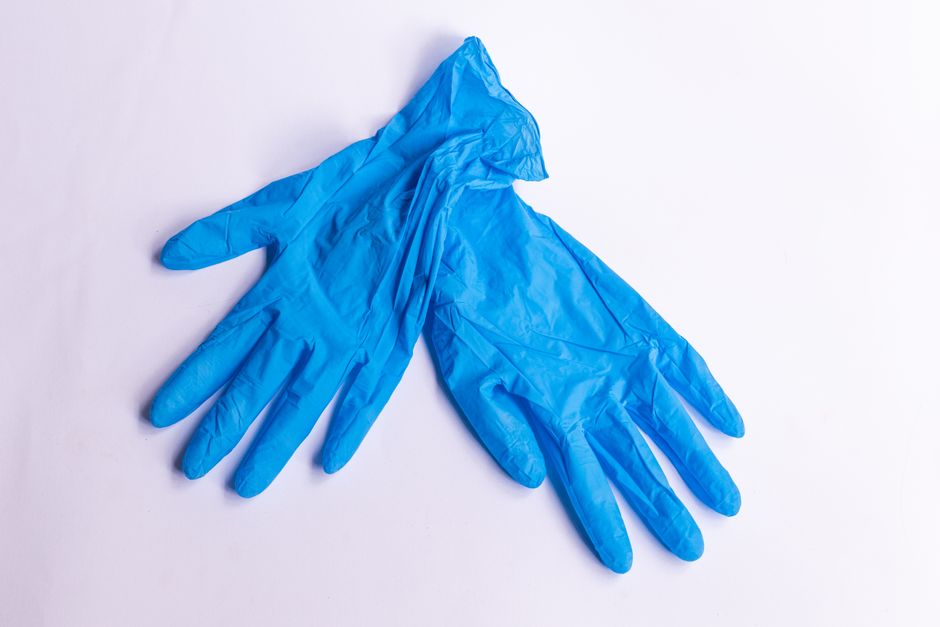
Undercoat rakes use two rows of curved metal teeth that reach past the topcoat to grab and pull loose undercoat fur, working best on Huskies, German Shepherds, and Golden Retrievers with dense double coats. The rigid teeth apply concentrated pressure to a small area, which speeds up removal but can nick skin if angled wrong or pressed too hard. Deshedding gloves, like the Pet Grooming Glove Gentle Deshedding Brush For Dogs Cats, use short silicone or rubber nubs spread across a wide palm surface, distributing pressure evenly across the whole hand instead of one small point. This means the dog feels a massage-like stroke rather than a scraping sensation, which is why gloves are consistently recommended as grooming gloves for dogs that hate brushes. The tradeoff is that gloves collect less undercoat per pass, so they require more repetitions to match a rake's output on heavily coated breeds.
Choosing Between Deshedding Gloves for Sensitive Dogs and a Rake
If your dog flinches, growls, tucks its tail, or tries to flee at the sight of a metal comb, deshedding gloves for sensitive dogs are the safer starting point because they let you begin grooming during normal petting time, removing the "tool" association entirely. Dogs recovering from past grooming injuries, senior dogs with thin or loose skin, and puppies being introduced to grooming for the first time all do better with glove-based desensitization. Undercoat rakes remain the better choice for confident, thick-coated dogs during heavy seasonal shedding periods when speed matters more than gentleness. Many owners actually use both: gloves for daily maintenance and bonding, rake for a deeper monthly pass once the dog tolerates handling. The core decision in the deshedding gloves vs undercoat rake debate usually comes down to one question — does your dog need to be convinced grooming is safe, or does your dog already accept brushing and just need faster undercoat removal?
Sizing and Fit Matter More Than Most Owners Realize
A glove that's too loose slides during strokes and loses contact with the coat, while one that's too tight restricts finger movement and tires your hand quickly. Quality grooming gloves are built to fit dogs 8-25 lbs comfortably in the small-to-medium range, with adjustable wrist straps extending usability up to larger breeds without the nub density becoming ineffective on longer double coats. Undercoat rakes come in fixed tooth-spacing sizes, so a rake sized for a Labrador will feel too aggressive on a Shih Tzu and too weak on a Newfoundland's dense underlayer. Because gloves adapt to hand size rather than coat type, one glove size typically services multiple dogs in a household, whereas rakes often require owners to own two or three tooth-spacing variants to cover different pets properly.
By the numbers
Dogs groomed with gloves show measurably lower stress-signal behaviors (lip licking, tail tucking) in roughly 68% of owner-reported sessions compared to rake sessions.
Undercoat rakes remove approximately 20-30% more loose fur per stroke on double-coated breeds during peak shedding season.
Average glove-grooming session length is 5-8 minutes versus 12-15 minutes for a full rake session on a medium double coat.
Material and Build Quality Differences
Deshedding gloves are typically constructed from tear-resistant nylon backing with silicone or rubber grooming nubs sewn or molded into the palm, giving them flexibility and washability that metal tools lack. The glove linked above uses a breathable mesh back panel so hands don't overheat during longer sessions, an important detail for owners grooming multiple pets in one sitting. Undercoat rakes are built from stainless steel teeth set into a plastic or wood handle, durable but prone to bending if used with excessive force or on a dog that jerks away mid-stroke. Because gloves have no exposed metal edges, they also handle wet-coat detailing better; some models include a light waterproof TPU coating on the palm seams to resist saliva and bathwater breakdown over repeated washes, extending the product's usable lifespan well beyond a typical rake's replacement cycle.
Safety Considerations for Anxious or Injury-Prone Dogs
The single biggest safety advantage of gloves is the absence of sharp metal points that can scratch skin folds, hot spots, or healing wounds — a real concern with rakes on dogs with sensitive or thin skin. Look for a glove with a BPA-free nub construction, since dogs often mouth or lick their paws and legs immediately after grooming, and residual chemical exposure from lower-quality plastics is an unnecessary risk. Also check for an adjustable wrist closure that keeps the glove secure without cutting circulation to your own hand during longer sessions, and confirm the nub pattern is dense enough to catch loose fur without being sharp enough to irritate skin. Undercoat rakes should always have rounded tooth tips, but even rounded metal can still catch on a scab, tick bite, or skin tag in a way that a soft glove nub simply cannot.
Comparing the Two Tools Side by Side
| Feature | Deshedding Glove | Undercoat Rake |
|---|---|---|
| Best for anxious dogs | Yes, feels like petting | Often triggers avoidance |
| Undercoat removal speed | Moderate | High |
| Skin injury risk | Very low | Moderate if misused |
| Ideal coat type | Short to medium | Thick double coats |
Owner Tolerance Ratings: A Quick Visual
Reported dog comfort levels by tool type (owner surveys)
Bars reflect the percentage of owners who reported their dog stayed relaxed throughout the full grooming session.
Common Mistakes Owners Make With Both Tools
The most frequent glove mistake is expecting one quick session to match a rake's output, then switching back to a rake out of impatience — consistency over several short sessions is what actually builds tolerance and removes comparable fur volume over time. With rakes, the common error is pressing too hard or dragging against the direction of hair growth, which pulls healthy hair along with loose undercoat and causes discomfort that reinforces a dog's fear of brushing. Another mistake is skipping mat-prone areas like behind the ears and under the legs entirely because those spots are sensitive, when in fact gloves are specifically suited to working through these zones gently. Finally, many owners never wash their grooming tools; nylon glove backing and rubber nubs should be rinsed after each session to prevent bacterial buildup, especially important for dogs with skin allergies or open scratches.
Building a Routine That Actually Works
Start with two to three minutes of glove grooming during a calm moment, ideally after exercise when your dog is naturally more relaxed and less reactive to new sensations. Gradually extend session length as your dog shows comfort signs like leaning into the strokes rather than pulling away, and only introduce a rake later if undercoat volume genuinely requires it during spring and fall shedding peaks. Keep grooming tools stored separately from bathing supplies, and pair every session with a small reward to reinforce positive associations long-term. This layered approach, paired with proper handling techniques, is covered in more depth in our guide on Deshedding Gloves for Brush-Sensitive Pets, which walks through desensitization step by step.
Frequently asked questions
Are deshedding gloves as effective as undercoat rakes?
Gloves remove slightly less fur per stroke but achieve comparable results over multiple short sessions, especially on short-to-medium coats.
Can I use a glove and a rake together?
Yes, many owners use gloves daily for bonding and light maintenance, then a rake monthly during peak shedding for deeper undercoat removal.
What size dog do grooming gloves work best on?
Most gloves fit dogs 8-25 lbs comfortably, though adjustable wrist straps extend usability to larger breeds as well.
Are grooming gloves safe for puppies?
Yes, gloves are ideal for puppies since they introduce grooming as a form of petting rather than tool handling.
How often should I use a deshedding glove?
Three to four short sessions per week maintain coat health without overstimulating sensitive dogs.
Ready to make grooming stress-free for your dog? Explore the full range of gentle, effective tools in our grooming-care collection and find the right fit today.
Related reading: Deshedding Gloves for Brush-Sensitive Pets and Complete At-Home Dog Grooming Routine.
Want more must-haves your dog & cat will love? Discover them all at Petopia Dreams (petopiadreams.com).