

Dog Car Harness vs Booster Seat: Which Restraint Is Safest?
Is a Dog Car Harness or Booster Seat Safer for Traveling With Your Dog?
A crash-tested dog car harness generally offers better crash protection for medium and large dogs, while a booster seat is safer for small dogs who need visibility and comfort during shorter drives. The right choice depends on your dog's size, anxiety level, and how often you travel together. Below we break down the real differences in materials, fit, and safety performance so you can decide with confidence.
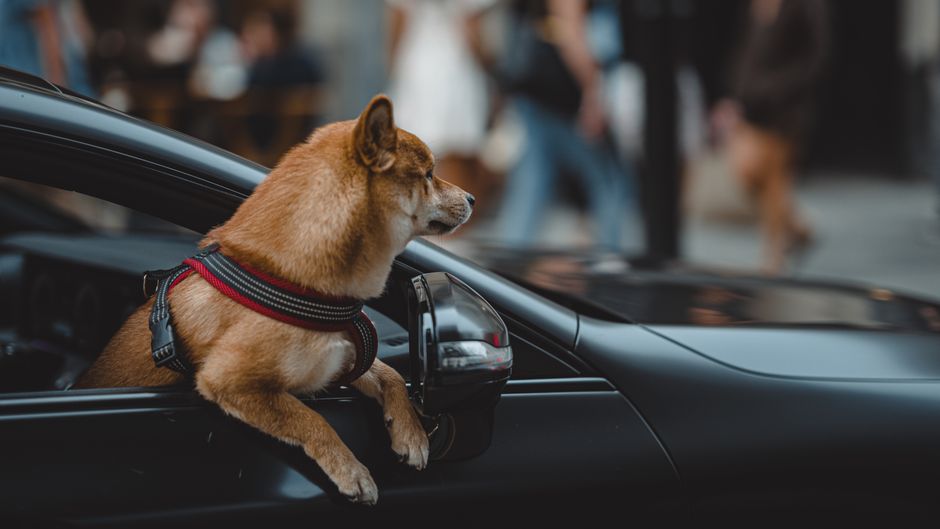
How a Dog Car Harness Works
A dog car harness clips directly into your vehicle's seatbelt buckle or a rear anchor point, distributing force across the chest and shoulders during sudden stops. Quality harnesses use tear-resistant nylon webbing rated for high tensile load, and many include a metal or reinforced plastic connector point tested to withstand deceleration forces. This design keeps the dog anchored to the seat rather than allowed to roam the cabin, which reduces injury risk to both the dog and human passengers if the vehicle brakes hard. Harnesses work well for dogs of almost any size, but fit matters enormously — a loose harness can allow forward momentum that defeats the purpose entirely. Most owners find harnesses easiest to use for daily errands since dogs can still sit, lie down, or shift position within a limited range, making them a practical daily-driver restraint rather than a specialty travel item.
How a Booster Seat Works
A booster seat lifts a small dog to window height while a tether clips to a harness worn underneath, combining elevation with restraint. This is where the Dog Car Seat Carrier With Safety Harness Leash Set becomes useful — it pairs a padded, walled seat base with an integrated leash clip so the dog cannot lunge forward or climb into the driver's footwell. Booster seats typically fit dogs 8-25 lbs, making them appropriate for toy and small breeds rather than larger dogs whose weight would compress or tip a soft-sided seat. The seat's raised sides act like bumpers during turns, while the base often uses a waterproof TPU coating to resist spills, drool, and muddy paws. Because the dog stays contained in one compact zone, booster seats also reduce distraction for the driver, which is itself a safety benefit separate from crash protection.
Dog Car Harness vs Booster Seat: Side-by-Side Comparison
When comparing dog car harness vs booster seat setups directly, the decision often comes down to dog size, trip length, and how much freedom of movement you're comfortable allowing. The table below summarizes the practical differences owners report most often.
| Feature | Dog Car Harness | Booster Seat |
|---|---|---|
| Best dog size | Small to large breeds | 8-25 lbs, small breeds |
| Movement allowed | Moderate, sit/lie down | Low, contained to seat |
| Anxiety reduction | Moderate | High, elevated view |
| Setup time | Quick clip-in | Seat placement + tether |
Sizing and Fit: The Real Deciding Factor
No restraint is the safest dog car restraint if it's the wrong size. For harnesses, you should be able to fit two fingers between the strap and your dog's body — any looser and the chest plate shifts sideways on impact, any tighter and it restricts breathing. Booster seats depend on weight capacity; exceeding the stated limit compresses the padding and reduces the wall height that keeps a dog contained. Always measure your dog's chest girth and current weight before ordering rather than relying on breed averages, since mixed breeds and seniors often fall outside typical size charts. The Dog Car Seat Carrier With Safety Harness Leash Set is built for dogs fitting the 8-25 lbs range and includes an adjustable harness access port so you can secure the internal harness without removing the dog from the seat, which speeds up daily loading and reduces struggle time at the curb.
Materials That Actually Affect Safety
Material choice isn't cosmetic — it determines how a restraint performs under stress and repeated use. Tear-resistant nylon webbing is the standard for harness straps because it resists fraying at stitch points, while a waterproof TPU coating on seat bases prevents moisture from weakening internal foam or fabric over time. Buckles and D-rings should be BPA-free metal or reinforced plastic, both for chemical safety during chewing and for consistent strength under sudden load. Mesh panels used in ventilated seat walls should be breathable but tightly woven enough to prevent claws from snagging and tearing through during anxious movement. Cheap restraints often skip reinforced stitching at stress points, which is exactly where failures happen during hard braking. When comparing dog booster seat vs harness safety on paper, always check the manufacturer's material specs before checking style or color, since the fabric and hardware are what actually hold during a real emergency stop, not the seat's appearance.
🐾 Unrestrained dogs can become projectiles at speeds as low as 30 mph, exerting forces many times their body weight.
🐾 Booster seats rated for small breeds typically support up to 25 lbs before structural padding compresses.
🐾 A properly fitted harness allows two-finger slack — tighter fits restrict breathing, looser fits reduce crash protection.
Owner Preference by Trip Type
Which restraint owners reach for often depends on trip length and destination, based on common usage patterns reported by pet travelers.
Preferred restraint by trip type
Daily errands (harness)
Long road trips (booster seat)

Vet visits (harness)
Anxious/reactive dogs (booster seat)
Bars reflect relative owner preference reported per trip category, not absolute safety rankings.
Care, Maintenance, and Common Mistakes
Both restraint types need regular inspection — check stitching, buckles, and tether clips every few months for fraying or cracking plastic, especially after exposure to heat or road salt. Machine-washable covers should be air-dried rather than tumble-dried, since high heat can weaken TPU coatings and nylon fibers over time. The most common mistake owners make is clipping a harness leash directly to the seatbelt without a rated connector, which creates unpredictable slack during braking. Another frequent error is leaving a booster seat unsecured to the vehicle seat itself; the base needs its own seatbelt loop-through, not just the dog's tether. Always pack a spill-proof water source for stops — a Portable Dog Water Bottle Leak Proof Travel Dispenser Bowl keeps hydration simple without soaking the seat or harness padding, which also extends the lifespan of the fabric by keeping it dry.
Frequently asked questions
Is a dog car harness or booster seat safer for traveling with my dog?
For medium and large dogs, a crash-tested harness generally provides better restraint; for small dogs under 25 lbs, a booster seat with an integrated harness offers comparable safety with added comfort and visibility.
What is the safest dog car restraint for puppies?
A booster seat with an adjustable harness access port works well for puppies since it accommodates growth and limits movement during vet visits or short trips.
Can I use a booster seat for a dog over 25 lbs?
No, exceeding the stated weight capacity compresses the padding and reduces the seat's containment ability, so a full-body harness is the better option.
How tight should a dog car harness fit?
You should be able to slide two fingers between the strap and your dog's body; tighter restricts breathing and looser reduces crash protection.
Do booster seats need to be attached to the car seatbelt?
Yes, the seat base should loop through the vehicle's seatbelt in addition to the dog's tether clip for full stability during sudden stops.
For more size-specific guidance, read our comparison on Small Dog Car Seat vs Harness and our step-by-step guide on How to Secure Your Dog in the Car.
Shop Petopia Dreams' full travel and outdoor collection to find the right harness, booster seat, and hydration gear for your dog's next ride.
Want more must-haves your dog & cat will love? Discover them all at Petopia Dreams (petopiadreams.com).