

Dog Grooming at Home vs Professional: Cost & Quality Comparison
Home grooming works best for maintenance between professional visits, but professional groomers deliver superior results for full grooming services. The choice depends on your budget, time, and your dog's coat complexity. Let's break down the real costs and benefits.
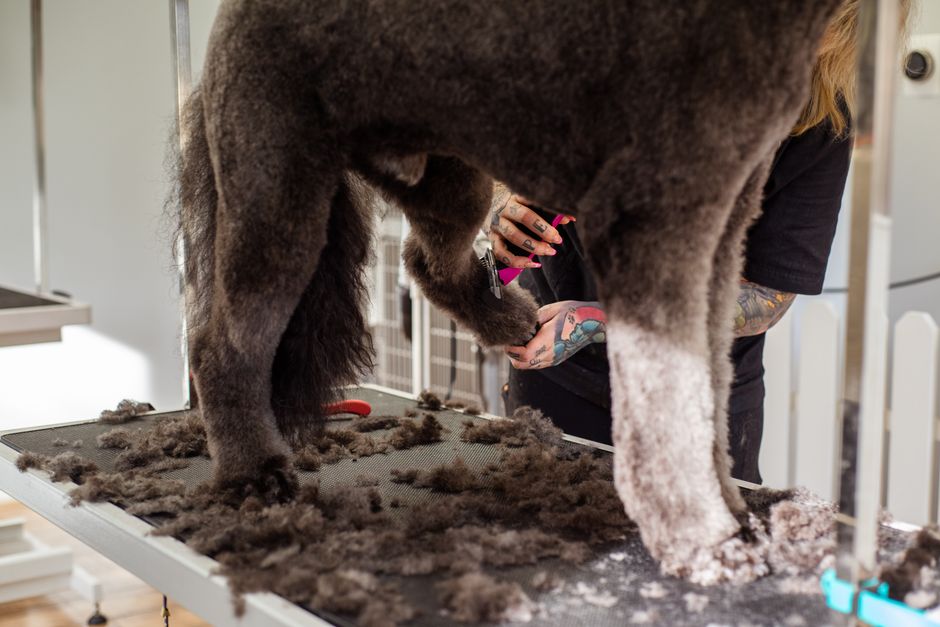
Cost of Professional Dog Grooming vs DIY
Professional grooming typically costs $50–$100+ per session, while home grooming requires an initial investment of $100–$300 in tools. However, the cost of professional dog grooming vs DIY becomes favorable for DIY when you groom frequently—you'll break even after 3–4 appointments. Our Cordless Pet Grooming Kit Quiet Clippers For Dogs Cats features a waterproof TPU coating and weighs just 200g, making it lightweight and durable for regular home use without professional-grade expense.
For pet owners who commit to regular home grooming, annual savings can reach $300–$400 compared to visiting a professional every 6–8 weeks. According to recent pet care surveys, approximately 58% of dog owners attempt at least some grooming at home to reduce grooming expenses. The key is understanding which grooming tasks justify the investment in equipment and which require professional expertise.
Quality and Expertise Differences
Professional groomers handle difficult tasks like nail trimming and ear cleaning with precision that prevents injury. Dog grooming at home vs professional reveals that DIY excels at basic brushing and bathing but struggles with breed-specific cuts and sensitive areas. The Pet Grooming Glove Gentle Deshedding Brush For Dogs Cats simplifies daily deshedding, while the Quiet Electric Pet Nail Grinder For Dogs Cats includes a safety guard feature to protect your dog's sensitive nail beds.
Professional groomers typically complete 4–6 dogs per day and have years of experience recognizing skin conditions, allergies, and coat problems that home owners might miss. They also possess specialized training in handling aggressive or anxious dogs without causing stress. Home grooming allows you to bond with your dog and tailor the experience to their comfort level, but it lacks the speed and precision of trained professionals. For breeds like Poodles, Doodles, and Schnauzers requiring frequent trims, the difference in quality becomes most apparent.
Do I Need a Professional Dog Groomer?
Do I need a professional dog groomer if you have a long-haired breed or struggle with behavior during grooming? Yes—professionals manage stress and prevent matting damage. Short-haired dogs and calm temperaments suit home maintenance better, especially with proper tools designed for dogs 8–25 lbs. Start at home for basic care and book professionals quarterly for comprehensive grooming.
Several factors should influence your decision: breed coat type, your dog's temperament, health considerations, and available time. Dogs with medical conditions, senior dogs with mobility issues, or those with anxiety around water and handling benefit significantly from professional care. Additionally, breeds prone to ear infections or skin conditions require professional attention to prevent complications. Home grooming is ideal for supplementary maintenance—brushing between appointments, spot cleaning paws, and light bathing—rather than replacing professional services entirely.
Comparing Home vs Professional Grooming: Key Metrics
| Factor | Home Grooming | Professional Grooming |
|---|---|---|
| Cost per Session | $0–$15 (after initial tool investment) | $50–$150 |
| Time Required | 30 mins–2 hours | 1–3 hours |
| Specialized Cuts | Limited to basic styles | Breed-specific designs possible |
| Risk of Injury | Higher without experience | Minimal with trained professionals |
Essential Tools for Successful Home Grooming
Building a proper home grooming toolkit is essential before attempting DIY grooming. Beyond clippers and nail grinders, you'll need quality brushes, shampoo designed for your dog's coat type, towels, and grooming tables. Our grooming-care collection provides everything from deshedding tools to specialized clippers that make the process safer and more efficient. Investing in mid-range tools rather than budget options reduces the risk of accidents and ensures your dog remains comfortable throughout the process.
Different coat types demand different approaches: double-coated dogs need undercoat rakes to prevent matting, curly-coated breeds require dematting combs, and sensitive-skinned dogs benefit from gentle grooming gloves. Before purchasing tools, identify your dog's specific grooming needs and coat characteristics. Quality matters—cheaper clippers often pull hair rather than cutting cleanly, causing discomfort and stress for your dog.
Creating a Grooming Schedule That Works
The ideal grooming schedule balances professional appointments with home maintenance. Most dogs benefit from professional grooming every 6–12 weeks, depending on breed and coat growth rate. Between professional visits, implement a home grooming routine: daily brushing for long-haired breeds, weekly nail checks, and monthly baths with appropriate dog shampoo. This schedule keeps your dog comfortable while maximizing the time between expensive professional appointments.
Establishing consistency helps your dog remain calm during grooming and prevents behavioral issues around bathing and handling. Start grooming sessions early in your dog's life to normalize the experience. Short, positive sessions build confidence, while forcing reluctant dogs through lengthy grooming can create lasting anxiety around the process.
Frequently Asked Questions
How often should I groom my dog at home?
Brush daily for long-haired breeds and 2–3 times weekly for short coats to prevent matting and reduce shedding.
Is professional grooming worth the cost?
Yes, especially for breeds requiring specialized cuts, senior dogs, or anxious pets that need professional handling.
What's the safest home grooming tool?
Choose clippers with BPA-free materials and safety guards to prevent accidental nicks during nail trimming.
Can I use human shampoo on my dog?
No—human shampoo disrupts your dog's skin pH balance and can cause irritation. Always use veterinarian-approved dog shampoo formulated for their specific coat type.
What signs indicate my dog needs professional grooming?
Matted fur, overgrown nails curling into paw pads, excessive shedding, or visible skin irritation all indicate it's time to schedule a professional appointment.
Want more must-haves your dog & cat will love? Discover them all at Petopia Dreams (petopiadreams.com).
Read next: Part of our complete Dog Grooming at Home Guide. See also Best Pet Grooming Glove for Shedding Dogs & Cats and Best Quiet Electric Pet Nail Grinder: Dogs & Cats.
🛍 Shop the gear: Browse our Grooming & Care collection →
📖 Go deeper: Read our complete guide →