

Dog Harness Fit by Size & Breed: Daily Walking Safety Guide
The correct dog harness fit means two fingers slide snugly between the strap and your dog's body at the neck and chest, with the chest plate sitting above the breastbone and no gaps large enough for a paw or head to slip through. Getting this right requires matching harness sizing to your dog's breed shape and weight, not just a generic small-medium-large label, then adjusting every strap before the first walk. This guide walks through measuring, breed-specific sizing, and the safety checks that keep dog harness fit and escape-proof safety consistent on every outing.
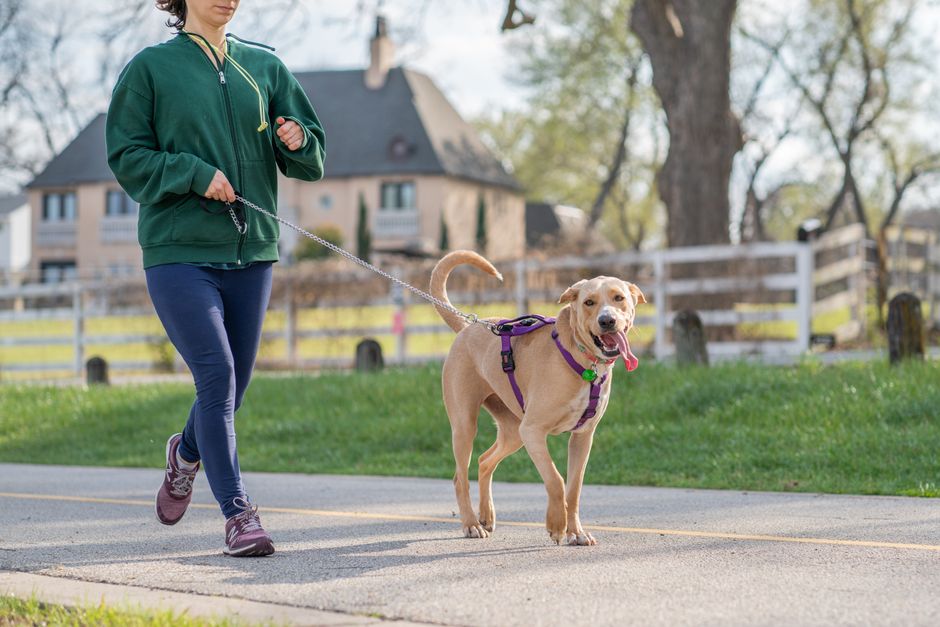
How Harness Fit Actually Works
A harness distributes pressure across the chest and shoulders instead of the throat, which is why fit matters more than with a collar. Two measurements drive everything: neck girth (just below the collarbone) and chest girth (widest part of the ribcage, usually four fingers behind the front legs). Add a weight check too, since a lean 22-lb dog and a stocky 22-lb dog need different strap lengths. Most quality harnesses list a range such as fits dogs 8-25 lbs alongside girth measurements in inches, and you should size to the chest number first since that's the escape point. If your dog sits between two sizes, always pick the smaller one for a snug no-pull vest and the larger for a step-in style, since step-ins loosen with movement. This is the foundation of how to fit a dog harness for daily walks without daily readjustment.
Dog Harness Sizing by Breed
Breed body shape changes what "correct fit" looks like. Deep-chested breeds like Greyhounds and Dobermans need a longer chest strap and shorter belly strap, while barrel-chested breeds like Bulldogs and Pugs need extra girth room but shorter neck straps to avoid choking their shorter necks. Long-backed breeds such as Dachshunds and Corgis do best with a harness that has a mid-body strap for extra support rather than just two points of contact. For sighthounds prone to slipping out of loose gear, a fully adjustable design like the Tactical Dog Harness Adjustable No Pull Vest For Working Dogs allows four to five points of adjustment to match narrow chests and broad shoulders simultaneously. Getting dog harness sizing by breed right upfront prevents the trial-and-error of returning ill-fitting gear after the first walk.
By the numbers:
• Roughly 1 in 3 dog escapes during walks are linked to loose neck or chest straps, not broken hardware.
• A properly sized chest strap allows only 2 fingers of slack; anything above 3 fingers raises slip-out risk.
• Lightweight harnesses under 200g reduce heat buildup on dogs under 25 lbs during walks over 30 minutes.
Step-by-Step Fitting for Daily Walks
Start with the harness fully loosened, slip it over the head or step your dog in, then tighten the neck strap first, followed by the girth strap. Check that the chest plate doesn't press directly on the windpipe and that the buckles sit away from the armpits to avoid chafing during long strides. Walk your dog five to ten steps indoors and watch for shifting, twisting, or the harness riding up toward the throat. The Reflective No Pull Dog Harness Vest Soft Padded Comfort uses a soft-padded chest panel that stays centered even on dogs that pull sideways, which simplifies this check. Re-tighten after the first week since new nylon webbing stretches slightly with use. This routine is the core of how to fit a dog harness for daily walks in under two minutes each morning.
Materials That Matter for Comfort and Durability
Material choice affects both comfort and how long the harness holds its shape under daily tension. Tear-resistant nylon webbing is the standard for straps because it resists fraying at friction points like buckles and D-rings, while a waterproof TPU coating on the outer shell sheds rain and mud without soaking into the padding underneath. Inner linings made from evaporative mesh keep airflow moving against the skin, which matters most for short-nosed breeds prone to overheating. Hardware should be metal or reinforced plastic rated for at least double your dog's body weight in pull force. Vest-style options such as the Rainbow Colorblock Dog Harness Leash Set No Escape Vest combine tear-resistant nylon with a padded mesh lining, giving daily walkers a harness that dries quickly after wet-weather outings and resists stretching over months of regular wear.
Escape-Proof Safety Features to Check
Escape-proofing comes down to the number of adjustment points and the strap geometry around the shoulders. A true no-escape design has at least one strap running behind the front legs in addition to the neck and girth straps, preventing a backward slip when a dog is startled. Reflective stitching or strips add visibility during early morning or evening walks, which the AVMA pet first-aid guidance notes is a practical way to reduce roadside incidents involving pets. A martingale-style loop that tightens slightly under pressure, without choking, adds a second layer of security for dogs that panic and pull backward. These details separate a merely padded harness from one built for genuine dog harness fit and escape-proof safety.
Comparing Harness Styles for Daily Use
| Harness Type | Best For | Escape Resistance | Adjustment Points |
|---|---|---|---|
| Step-in | Calm, small dogs | Low | 1-2 |
| Vest-style no-pull | Daily walks, medium dogs | High | 3-4 |
| Tactical/working | Strong pullers, active breeds | Very High | 4-5 |
Escape risk by adjustment points
1-2 points
3-4 points

4-5 points
Fewer adjustment points correlate with higher reported escape incidents in casual walking use.
Care and Maintenance for Long-Term Fit
Harnesses lose their fit accuracy when webbing stretches, buckles crack, or padding compresses unevenly. Hand-wash nylon and mesh components in cool water every two to three weeks during regular walking season, and check stitching around D-rings monthly for fraying. Avoid machine drying, since heat can warp TPU coatings and weaken buckle plastic. Inspect the harness access port, if your model has one, to make sure it hasn't loosened from repeated leash clipping. A harness inspected weekly typically lasts twice as long before the fit becomes unreliable, which matters most for dogs walked daily rather than occasionally.
Common Fitting Mistakes to Avoid
The most frequent error is sizing off breed stereotypes instead of actual girth measurements, which leaves deep-chested dogs with dangerously loose chest straps. A second mistake is placing the chest plate too low, near the belly, which restricts leg movement and causes chafing on long walks. Third, owners often skip the ten-step indoor test, only discovering a slipping harness once outside near traffic or other dogs. Finally, reusing a harness sized for a puppy without rechecking measurements after a growth spurt is a common cause of mid-walk escapes, especially in medium and large breed puppies gaining weight quickly.
Frequently asked questions
How do I know if my dog's harness is too loose?
If you can fit more than two fingers under the chest or neck strap, or the harness rotates when you tug gently at the back, it's too loose and needs tightening or a smaller size.
What's the difference between step-in and vest-style harnesses for daily walks?
Step-in harnesses are quicker to put on but offer fewer adjustment points, while vest-style harnesses distribute pressure more evenly and resist slipping better on active or anxious dogs.
Can one harness fit multiple breeds of the same weight?
Not reliably, since chest depth and neck length vary significantly between breeds even at the same weight, so girth measurements matter more than weight alone.
How often should I re-measure my dog for a harness?
Re-measure every three to four months for puppies and growing breeds, and once a year for adult dogs, or immediately after any noticeable weight change.
Are reflective strips necessary on a daily walking harness?
They're not mandatory but significantly improve visibility during low-light walks, which safety organizations like the AVMA highlight as a simple way to prevent accidents.
For deeper guidance on fitting dogs that pull hard or manage to squirm out of standard gear, see our related guides on Dog Harness for Pullers: Escape-Proof Fit by Size & Breed and Best No-Pull Harness for Your Dog: A Complete Buyer's Guide.
Browse Petopia Dreams' full safety-walking collection to find a properly sized, escape-resistant harness for your dog's next walk.
Want more must-haves your dog & cat will love? Discover them all at Petopia Dreams (petopiadreams.com).