

Dog Nail Grinder for Anxious Dogs vs Clippers: Which Calms Fearful Pups?
For most anxious dogs, a nail grinder is the better choice because its slow, steady vibration and hum are more predictable than the sudden pinch-and-snap of clippers, which often triggers fear responses tied to past pain or startle. That said, some dogs fear the buzzing noise more than the quick clip of a blade, so the "better" tool depends on your individual dog's specific trigger. Understanding both options—and how to introduce them properly—matters more than which one you pick first.
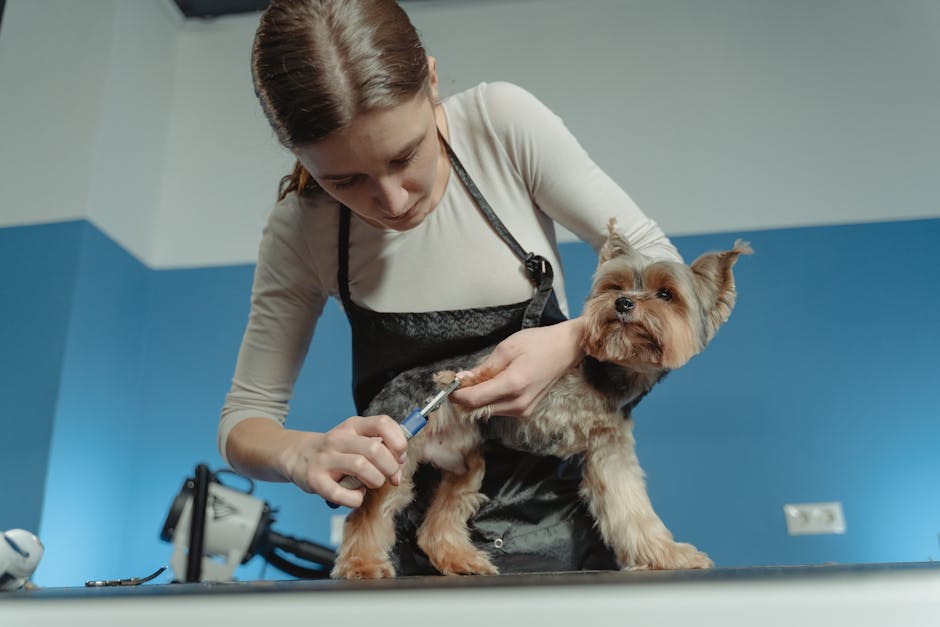
Why Anxious Dogs React Differently to Grinders and Clippers
Fear during nail trims usually stems from one of two things: a past quick-cut injury or general sound/touch sensitivity. A dog nail grinder for anxious dogs works by gradually filing the nail down with a rotating abrasive head, which removes the risk of a sudden pinch. Clippers, by contrast, apply pressure and then release instantly, and that snap sensation is what many dogs associate with pain even when no injury occurs. Dogs with noise sensitivity may instead panic at a grinder's motor hum, especially at higher RPM settings. Neither tool is universally superior; the right pick depends on whether your dog's fear is touch-based or sound-based. Watching your dog's reaction to a powered-off grinder placed near their paw versus a closed clipper resting on their nail for a few seconds is a simple way to gauge which trigger is stronger before committing to a training plan.
Nail Grinder vs Clippers for Fearful Dogs: Head-to-Head
When comparing nail grinder vs clippers for fearful dogs, the differences go beyond noise versus pressure. Grinders offer more control over how much nail is removed at once, reducing the odds of hitting the quick. Clippers are faster per nail but require precise judgment, which is riskier with a squirming, anxious dog. Below is a side-by-side comparison of the core factors that matter for fearful pups.
| Factor | Nail Grinder | Clippers |
|---|---|---|
| Risk of quick injury | Low, gradual filing | Higher, one-cut precision needed |
| Noise level | Moderate motor hum | Silent, single snap sound |
| Speed per nail | Slower, 10-20 seconds | Faster, 2-3 seconds |
| Best for | Touch/pain-sensitive dogs | Sound-sensitive dogs |
How to Choose the Right Tool for Your Dog's Specific Fear
Start by identifying the trigger, not the tool. If your dog has been quicked before, a grinder is generally recommended because it lets you stop the moment the nail looks pink underneath. If your dog bolts at vacuum-like sounds or hair dryers, clippers paired with slow desensitization may work better. Size matters too: many grinders are designed for dogs in the 8-25 lbs range with smaller, more sensitive nails, while heavier-duty models handle large breeds with thicker nails. Weight of the handheld unit also affects handling—lightweight grinders around 200g are easier to hold steady with one hand while calming your dog with the other. Whichever tool you choose, pairing it with calm grooming routines using something like the Pet Grooming Glove Gentle Deshedding Brush For Dogs Cats beforehand can help lower baseline stress, since a relaxed body is more receptive to nail handling.
Materials, Build Quality, and What They Mean for Safety
Grinder housings matter more than most owners realize. Look for units with a tear-resistant nylon casing, which withstands drops and chewing curiosity better than brittle plastic. A waterproof TPU coating on the grip also helps because sweaty or nervous hands are common during trims, and a secure grip reduces sudden jerky movements that can spook a dog mid-session. On the safety side, a BPA-free housing is worth prioritizing since dogs often sniff or mouth the tool between paws, and you don't want chemical exposure added to an already stressful situation. Clippers should have a stainless steel blade that stays sharp longer, since dull blades crush rather than cut and increase pain sensation. Whichever tool you choose, checking these three parameters—casing material, weight, and BPA-free status—gives you a quick way to evaluate quality before purchase.
Step-by-Step: How to Groom Anxious Dogs at Home Without a Fight
Learning how to groom anxious dogs at home starts well before the nail tool ever touches a paw. First, let your dog sniff and investigate the powered-off tool for several sessions, rewarding calm curiosity with treats. Second, touch each paw individually for a few seconds daily until handling itself stops triggering tension. Third, turn on the grinder (or open/close the clippers) near the dog without touching any nail, again pairing with treats. Fourth, trim or grind just one nail per session initially, ending on a positive note rather than pushing through all twenty. Fifth, use a slip-resistant mat or towel so your dog isn't also managing balance stress. This gradual exposure approach, often called counterconditioning, typically takes one to three weeks of short daily sessions before a dog tolerates a full trim calmly.
🐾 An estimated 70% of dogs display some resistance behavior during nail trims, ranging from paw pulling to growling.
🐾 Grinders remove roughly 1-2mm of nail per pass, giving far more control than a single clipper cut.
🐾 Short daily desensitization sessions of under 5 minutes show better long-term results than one long weekly attempt.
Common Mistakes That Increase Fear During Trims
The most frequent mistake is restraining a dog too tightly, which signals danger and heightens panic rather than calming it. Another common error is attempting all nails in one sitting when a dog is already showing stress signals like lip licking, yawning, or whale eye—these are cues to stop, not push through. Using dull or rusted clipper blades is another overlooked issue, since they require more force and crush the nail instead of slicing cleanly. Skipping the introduction phase entirely and diving straight into trimming is also common among busy owners, but it almost always backfires and creates a longer-term aversion. Finally, many owners avoid grooming between trims altogether, which means paws only get touched during stressful moments. Regular gentle handling, including brushing sessions with tools like the grooming glove mentioned above, keeps paw touching neutral rather than something only associated with nail tools.
Comparing Stress Levels: A Simple Visual Breakdown
Based on common owner-reported behavior patterns, here's how average stress levels compare across grooming tools for dogs with an existing nail-trim fear.
Average Reported Stress Level During Trim (0-100 scale)
Clippers (no desensitization)

Grinder (no desensitization)
Clippers (with desensitization)
Grinder (with desensitization)
Desensitization training reduces reported stress substantially regardless of tool, but grinders trend lower even without training.
Signs You're Making Progress (and When to Call a Professional)
Progress looks like a dog that stays relaxed enough to lie down during handling, stops pulling paws away reflexively, and accepts treats calmly rather than refusing food out of stress. If after several weeks of consistent desensitization your dog still shows aggression, trembling, or attempts to bite, it's time to involve a professional groomer or a veterinary behaviorist rather than continuing alone. Some dogs have pain-related sensitivity from old injuries, arthritis, or overgrown quicks that make any touch uncomfortable regardless of tool choice, and this needs veterinary assessment rather than more training. Professional groomers also have Y-shaped clippers and specialized grinder attachments designed specifically for small or fearful breeds, which can make a meaningful difference when home attempts stall.
Frequently asked questions
Is a nail grinder actually less painful than clippers?
A grinder itself isn't painless, but its gradual filing action lowers the risk of hitting the quick, which is the main source of pain during trims.
How do I know if my dog is scared of the noise or the pressure?
Turn on a powered-off grinder near your dog without touching their paw; if they react to sound alone versus reacting only when touched, that tells you the primary trigger.
Can I switch from clippers to a grinder if my dog is already scared?
Yes, many owners switch successfully, but reintroduce the new tool slowly using the same desensitization steps rather than assuming it will immediately feel safer.
What size grinder works best for small anxious dogs?
Lightweight grinders around 200g designed for dogs in the 8-25 lbs range tend to be easier to control and less intimidating for smaller, nervous breeds.
How often should nail trims happen to reduce fear over time?
Shorter, more frequent sessions—trimming one or two nails every few days—tend to reduce fear faster than one long monthly session.
Explore calming, safe grooming tools for nervous pups in our grooming-care collection and take the stress out of trim day.
Related reading: Dog Nail Grinder vs Clippers and How to Use a Dog Nail Grinder.
Want more must-haves your dog & cat will love? Discover them all at Petopia Dreams (petopiadreams.com).