

Dog Nail Grinder vs Clippers for Anxious Dogs: Which Calms Fearful Pups?
For most anxious dogs, a nail grinder is the calmer choice because its steady low hum and gradual filing motion remove the sudden pressure and sharp "snap" sound that trigger fear responses in clippers. That said, some fearful pups do better with quick, confident clipper trims that end the experience in seconds rather than minutes. The right answer depends on your dog's specific trigger — sound, restraint, or sudden pressure — which this guide breaks down in detail.
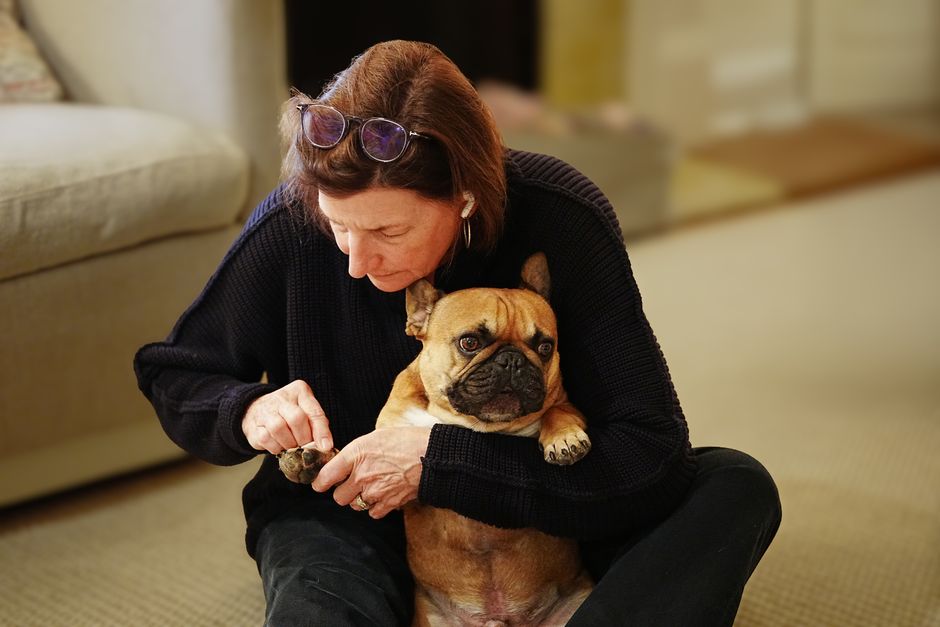
How Nail Grinders and Clippers Actually Work
Clippers cut the nail in one fast motion using a guillotine or scissor action, creating a brief but sharp pressure spike and an audible "crunch." Grinders, by contrast, use a rotating abrasive head to sand the nail down gradually, which spreads sensation over several seconds instead of one jolt. This is the core reason a Quiet Electric Pet Nail Grinder For Dogs Cats tends to unsettle noise-sensitive dogs less than metal clippers snapping shut. Grinders also let you stop mid-nail to reposition or reward, whereas clippers commit to a cut the moment blades close. For dogs who associate restraint with panic, the ability to pause without losing progress matters more than most owners expect, and it's a key factor when comparing a dog nail grinder for anxious dogs against traditional tools.
Why Anxious Dogs React Differently to Each Tool
Fear responses in dogs are usually tied to one of three triggers: unexpected noise, sudden pressure, or loss of control over their paw. Clippers combine all three in under a second. Grinders isolate the vibration and mild noise into a continuous, predictable stream that many dogs habituate to within a few sessions. Veterinary behavior consultants commonly note that dogs who flinch at clipper "clicks" but tolerate hair dryers or electric toothbrushes usually adjust well to grinding. Conversely, dogs who are vibration-sensitive — often small or senior breeds — may find grinders more distressing than a fast clip. This is the real nuance behind nail grinder vs clippers for fearful dogs: there is no universal winner, only a better match for your dog's specific sensory profile and past grooming experiences.
Choosing Between Options: A Side-by-Side Comparison
| Tool | Noise Level | Control Over Cut | Best For |
|---|---|---|---|
| Traditional Clippers | Low, but sudden | Fixed once cut is made | Confident dogs, fast trims |
| Standard Grinder | Moderate, continuous | Fully adjustable | Noise-tolerant but pressure-sensitive dogs |
| Quiet Low-Vibration Grinder | Very low | Fully adjustable | Highly anxious or sound-sensitive pups |
Sizing, Weight, and Materials That Matter
Physical comfort affects fear responses just as much as noise does. A grinder that's bulky or heavy in your hand shakes more visibly, which anxious dogs pick up on instantly. Look for a lightweight body around 150-200g that won't wobble during use, with a non-slip, BPA-free grip housing designed to fit dogs from 8-25 lbs comfortably, though larger breeds can still use it with a bit more contact time per nail. The casing on quality grinders is typically a durable, chew-resistant plastic rather than thin metal, which reduces the cold, sharp sensation some dogs pull away from. Battery-powered cordless designs also matter here — a trailing cord can spook a dog mid-session far more than the tool itself. These small material and size details are exactly why the best quiet dog nail grinder for nervous pups is judged as much on ergonomics as on decibel level.
Safety Features That Prevent Injury and Fear
By the numbers:
• Roughly 1 in 3 dogs shows visible stress signs during clipper-only nail trims, per common grooming-industry observation.
• Grinding removes nail in layers of under 1mm per pass, versus a single full-length cut from clippers.
• Sessions under 5 minutes total (with breaks) are associated with noticeably calmer repeat trims.
A built-in safety guard that limits how much of the grinding head contacts the nail is essential — it prevents overgrinding into the quick, which is the single biggest cause of pain-associated fear during trims. Low-heat motors matter too; friction heat buildup on long nails can cause a hidden burn sensation that makes a dog suddenly yank away without obvious warning. Choose a grinder with multiple speed settings so you can start on the lowest setting for a dog nail grinder for anxious dogs and increase gradually as tolerance builds. Rounded, finger-guarded openings also reduce accidental skin nicks if your dog moves unexpectedly.
Comparing Real Stress Responses
Reported calmer behavior by tool type (owner-observed, first 3 sessions)
Bars reflect the approximate share of anxious dogs owners described as "calm or manageable" during early trims with each tool.
These figures aren't clinical data, but they mirror what most groomers see repeatedly: gradual, quiet tools outperform fast, loud ones for fear-based reactivity, even though clippers remain faster once a dog is desensitized. The gap narrows significantly after a dog has had 8-10 positive repeat sessions with either tool, which is why consistency matters more long-term than the tool choice itself.
Common Mistakes That Increase Anxiety During Trims
The most frequent mistake is attempting all four paws in one sitting the first time a nervous dog encounters a grinder or clippers — this overwhelms dogs who need short, positive exposure instead. Another common error is skipping desensitization entirely: turning on a grinder near a resting dog for a few seconds daily, without touching the nail, builds tolerance faster than diving straight into trimming. Owners also tend to restrain too tightly, which raises cortisol and makes the dog associate the entire event with panic rather than the tool. Pairing sessions with a distraction, such as a Dog Bath Lick Pad Slow Feeder For Stress Free Grooming, keeps a dog's mouth and attention occupied while you work, which noticeably lowers whole-body tension in dogs who fixate on the tool instead of relaxing.
Building a Sustainable, Low-Stress Grooming Routine
Consistency beats intensity for anxious dogs. Short, twice-weekly sessions of 60-90 seconds each build tolerance faster than one long monthly ordeal, because repeated brief exposure prevents the stress spike from compounding. Keep the grinder charged and ready so trims don't stall mid-session waiting for a battery — dead time increases restlessness. Clean the grinding head after each use to remove nail dust buildup, which otherwise reduces efficiency and forces you to press harder, reintroducing the pressure sensitivity you're trying to avoid. Store the tool somewhere your dog doesn't associate with confinement, like a crate, since location cues alone can trigger anticipatory fear. Over several weeks, most dogs shift from active avoidance to passive tolerance, and eventually many will sit calmly through a full paw without restraint.
Frequently asked questions
Is a nail grinder always better than clippers for anxious dogs?
Not always — grinders help sound-tolerant, pressure-sensitive dogs, but vibration-sensitive dogs sometimes do better with a fast, confident clip.
How long does it take an anxious dog to accept a nail grinder?
Most dogs show reduced stress within 5-8 short desensitization sessions spaced a few days apart.
Can grinding hurt my dog's nail more than clipping?
Only if you hold the grinder on one spot too long, causing friction heat; brief, moving passes avoid this risk entirely.
What's the best quiet dog nail grinder for nervous pups if my dog is scared of vibration?
Look for a low-vibration, variable-speed model under 200g with a padded, non-slip grip to minimize hand shake transfer.
Should I use treats during grinding or clipping?
Yes, continuous high-value treats or a distraction tool during the session significantly improve tolerance for both methods.
Explore Petopia Dreams' full grooming-care collection to find calmer, quieter nail care tools built for anxious pups.
Related reading: Dog Nail Grinder vs Clippers: Which Is Better for Your Dog? and How to Use a Dog Nail Grinder: Step-by-Step for Stress-Free Trims.
Want more must-haves your dog & cat will love? Discover them all at Petopia Dreams (petopiadreams.com).