

Why Does My Dog Pant at Night? Causes & When to Worry
Dogs pant excessively at night mainly due to overheating, anxiety, pain, or an underlying medical condition like heart or respiratory disease, and most cases are manageable once the root cause is identified. Occasional panting after play or a warm evening is normal, but persistent, heavy panting while your dog is resting or sleeping deserves closer attention. This guide breaks down the real causes, practical fixes, and the warning signs that mean it's time to call your vet.
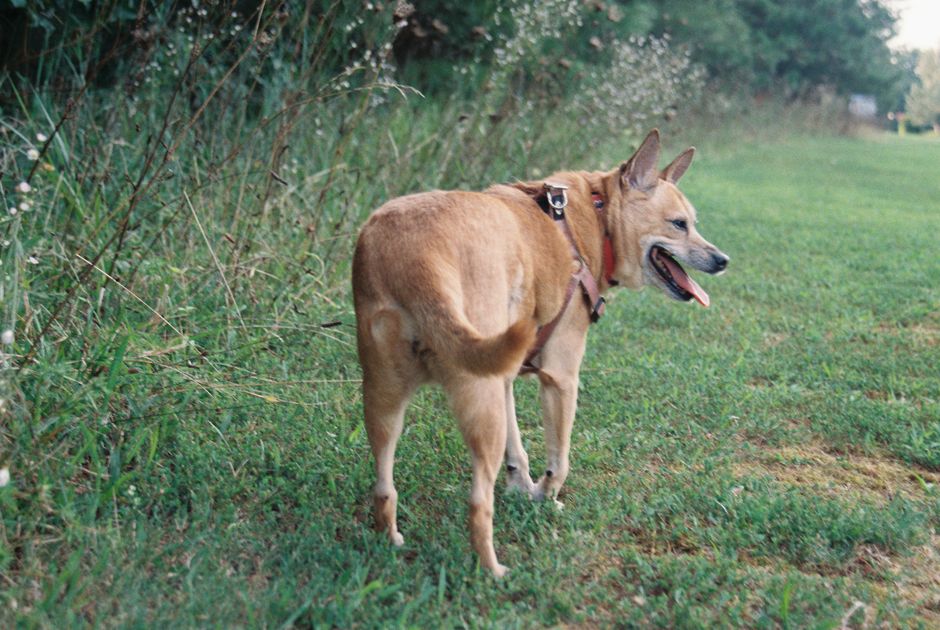
Common Causes Behind Nighttime Panting
If you're asking why does my dog pant at night, the answer usually falls into one of four buckets: heat, stress, pain, or a medical issue affecting the heart, lungs, or hormones. Bedrooms that stay warm overnight, heavy blankets, or a dog sleeping near a heat vent can all trigger thermoregulatory panting even in winter. Older dogs and brachycephalic breeds (Bulldogs, Pugs, Boxers) pant more easily because their airways are naturally narrower, making heat dissipation harder. Separation-related anxiety, storms, or unfamiliar noises can also spike panting after the household goes quiet. Less commonly, Cushing's disease, heart failure, or chronic pain from arthritis cause panting that seems to worsen specifically at night when the dog is lying still and more aware of discomfort. Identifying the pattern — does it happen every night, only in summer, or only during thunderstorms — is the first step toward a real solution rather than guessing.
Heat and Temperature Regulation Issues
Dogs don't sweat like humans; they rely almost entirely on panting to cool down, and a bedroom above 75°F (24°C) can be enough to trigger nighttime panting in short-nosed or double-coated breeds. This is one of the most common dog panting at night causes reported by owners during warmer months. If your dog's sleeping area lacks airflow, body heat gets trapped, especially on carpet or under blankets. Cooling accessories can make a measurable difference here. The Dog Cooling Vest Beat The Heat Summer Cooling Coat uses evaporative mesh fabric that stays cool for hours after a quick soak, and works well for pre-bedtime cooldowns. For dogs who prefer to sleep flat, the Cooling Dog Mat Summer Heat Relief For Hot Pups uses a pressure-activated cooling gel that doesn't require freezing or electricity, giving a steady surface temperature drop throughout the night.
Anxiety and Stress-Related Panting
Nighttime is often when separation anxiety, noise phobia, or general nervousness becomes most visible, since the house is quiet and the dog has nothing to distract from underlying stress. Panting from anxiety usually comes with pacing, whining, or clinginess rather than physical exhaustion. Weighted, snug-fitting garments can help by applying gentle, consistent pressure similar to swaddling. The Dog Anxiety Jacket Calming Warm Vest For Nervous Dogs is built from soft, tear-resistant nylon and fits dogs 8-25 lbs, making it suitable for most small-to-medium breeds prone to nighttime stress. Establishing a consistent bedtime routine, keeping white noise on, and avoiding late-night departures also reduce anxiety-driven panting significantly over a couple of weeks.
By the numbers:
• Dogs pant 10-35 times per minute normally; anxiety or heat stress can push this above 200 breaths per minute.
• Brachycephalic breeds are up to 2x more likely to experience nighttime respiratory distress.
• Room temperatures above 75°F (24°C) noticeably increase panting frequency in double-coated breeds.
Pain, Illness, and Medical Red Flags
Panting that appears suddenly, worsens over days, or is paired with restlessness, pale gums, or reluctance to lie down can point to pain or illness rather than heat or anxiety. Arthritis, spinal discomfort, and abdominal pain often intensify at night because activity during the day masks stiffness that surfaces once the dog settles. Cardiac conditions like congestive heart failure and respiratory issues such as laryngeal paralysis frequently cause panting that's worse lying down than standing. Cushing's disease, a hormonal disorder common in older dogs, is another frequent culprit, often paired with increased thirst and a pot-bellied appearance. None of these causes are fixed by cooling gear or calming vests alone — they require veterinary diagnostics, bloodwork, or imaging. If panting is a new symptom in a senior dog, treat it as a diagnostic clue, not just a comfort issue, and schedule a vet visit within a few days rather than waiting it out.
Comparing Nighttime Panting Solutions
Choosing the right fix depends on whether heat, anxiety, or discomfort is driving the panting. Here's how the main product categories stack up for nighttime use:
| Product Type | Best For | Key Material | Fit/Size |
|---|---|---|---|
| Cooling Vest | Heat-driven panting, active dogs | Evaporative mesh | Adjustable straps, most breeds |
| Cooling Mat | Dogs who sleep flat, hot bedrooms | BPA-free cooling gel + TPU coating | Multiple sizes, non-slip base |
| Anxiety Jacket | Stress panting, storm/noise phobia | Tear-resistant nylon | Fits dogs 8-25 lbs |
Materials and Safety Features That Matter
Not all cooling or calming gear is built the same, and material choice directly affects both comfort and safety overnight. Look for BPA-free cooling gel inside mats, since it's non-toxic if a curious dog chews the seams. Waterproof TPU coating on the mat's underside prevents leaks onto bedding, while tear-resistant nylon in vests and jackets holds up against scratching and repositioning during sleep. A harness access port is a small but valuable detail — it lets you clip a leash for late-night bathroom breaks without removing the entire garment. Reflective strips matter less indoors but are worth having if the same vest doubles as an evening-walk layer. Weight matters too: a lightweight design (many cooling vests weigh under 200g) won't restrict movement or add heat retention, which would defeat the purpose of a cooling product entirely.
Common Mistakes Owners Make
The biggest mistake is assuming all nighttime panting is behavioral and skipping a vet check when symptoms persist beyond two weeks. Another frequent error is over-bundling anxious dogs in heavy blankets, which raises body temperature and can worsen panting instead of calming it. Owners also tend to freeze cooling mats solid, which can feel uncomfortably cold and cause dogs to avoid them altogether — most gel mats are designed for room-temperature activation, not freezing. Ignoring room ventilation is another oversight; a fan or cracked window often reduces panting more than any product alone. Finally, many owners try one excessive dog panting solutions and give up too quickly — cooling gear, anxiety wraps, and environmental changes typically need 3-5 nights of consistent use before you see a real pattern shift.
Nighttime panting frequency by likely cause
Bar length reflects how frequently owners report each cause as the primary trigger for nighttime panting, based on common veterinary case patterns.
When to Worry: Signs That Need a Vet
Occasional panting tied to heat or a stressful evening isn't an emergency, but certain signs mean you shouldn't wait. Bluish or pale gums, collapse, panting that doesn't slow after cooling and calming attempts, or a sudden onset in a previously quiet sleeper all warrant same-day veterinary attention. Chronic nighttime panting lasting more than two weeks, especially in senior dogs, should prompt bloodwork to rule out Cushing's disease or early heart failure. A resting respiratory rate consistently above 40 breaths per minute while your dog is asleep is considered abnormal and worth recording on video for your vet. Trust your baseline knowledge of your dog — a Bulldog panting after mild activity is expected, but the same dog panting hard while motionless on a cool floor is not.
Frequently asked questions
Why does my dog pant at night even in a cool room?
It's often anxiety, pain, or a medical issue rather than temperature, since a cool room rules out simple overheating.
Is heavy panting during sleep normal for dogs?
Occasional light panting during dreaming (REM sleep) is normal, but sustained heavy panting while resting is not.
Can anxiety alone cause nighttime panting?
Yes, separation anxiety and noise phobias commonly cause panting after the household settles down for the night.
Do cooling vests actually help with nighttime panting?
Yes, evaporative mesh cooling vests can lower a dog's surface body temperature and reduce heat-driven panting within 20-30 minutes.
When should I take my dog to the vet for nighttime panting?
See a vet if panting persists beyond two weeks, worsens suddenly, or comes with pale gums, collapse, or reluctance to move.
Browse cooling mats, calming vests, and more comfort essentials for restless nights in our full dog collection.
Related reading: Why Does My Dog Pant Excessively? and What Temperature Is Too Hot to Walk a Dog?
Want more must-haves your dog & cat will love? Discover them all at Petopia Dreams (petopiadreams.com).