

How to Clip Cat Nails with Safety Guard: Avoid the Quick
You safely clip a cat's nails with a safety guard clipper by exposing only the curved white tip of the claw past the guard, trimming in small increments, and stopping the moment you see a pink or gray shadow inside the nail — that shadow is the quick. A safety guard clipper physically limits how much nail slides into the blade opening, so even a nervous first-time groomer can trim confidently without cutting into the sensitive nerve and blood supply. Once you understand the guard's role and your cat's nail anatomy, the whole process takes under five minutes.
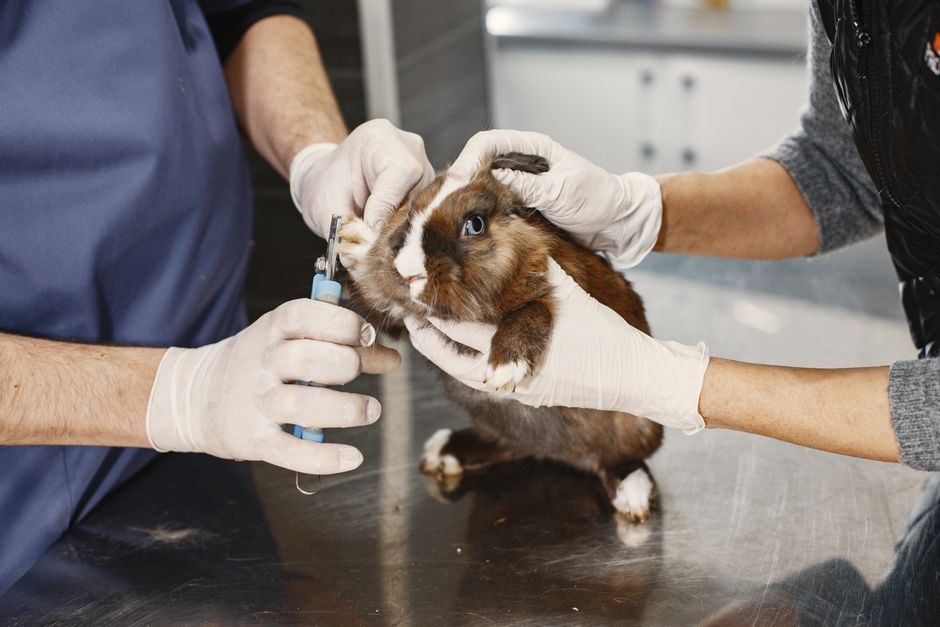
Why the Quick Is the Real Challenge
The quick is the pink strip of blood vessels and nerve endings running through the center of each claw. Cut into it and your cat will yelp, bleed, and likely resist nail trims for months afterward. According to the Humane World cat claw trimming guidance, the quick recedes as the nail grows, which is why overgrown claws are actually easier to trim short than neglected ones where the quick has crept forward. Learning how to avoid the quick when clipping cat nails starts with good lighting: hold the paw up to a window or lamp so light passes through the nail. On light-colored nails, the quick appears as a pink line. On dark or black nails, it's far harder to spot, which is exactly the scenario a safety guard clipper is designed to protect against, since the guard stops you from over-inserting the nail regardless of color.
How a Safety Guard Clipper Works
A safety guard clipper has a small plastic or metal ledge positioned just behind the cutting blade. You slide the claw tip through the ring, and the guard physically blocks the nail from sliding in past a preset depth — usually 2 to 3mm. This mechanical stop means you can't accidentally push the nail too far into the blade, even if your hand shifts or your cat wriggles mid-clip. It's a purely physical safeguard, not a substitute for good lighting or a calm cat, but it removes a huge margin of human error. For cats who tolerate grinding better than clipping, the Quiet Electric Pet Nail Grinder For Dogs Cats offers a similar built-in safety margin, filing the nail down gradually in low-vibration passes instead of a single cut, which many owners find less startling for skittish cats.
Choosing Cat Nail Clippers with Safety Guard
Not all guards are created equal. Look for cat nail clippers with safety guard that has an adjustable stop, since kitten claws and adult claws differ in thickness. A spring-loaded handle reduces hand fatigue during multi-cat households, and a non-slip rubber grip matters more than most buyers expect — wet or sweaty hands during a squirmy trim session are common. Blade sharpness also affects safety indirectly: a dull blade crushes the nail instead of slicing cleanly, which can cause splitting and micro-fractures near the quick even if the guard prevents a direct cut. Weight matters too; a clipper in the 60-90g range is light enough for precise one-handed control without feeling flimsy. If your cat also needs regular coat maintenance during the same session, pairing nail care with the Pet Grooming Glove Gentle Deshedding Brush For Dogs Cats can turn a stressful nail trim into a calmer full grooming routine, since the glove's gentle strokes before clipping help relax the cat first.
| Tool Type | Safety Guard | Noise Level | Best For |
|---|---|---|---|
| Guillotine clipper w/ guard | Adjustable stop | Silent | Calm, cooperative cats |
| Scissor-style clipper w/ guard | Fixed ledge | Silent | Thicker adult claws |
| Electric grinder | Depth guard ring | Low hum (quiet motor) | Nervous or dark-nailed cats |
Step-by-Step: How to Clip Cat Nails with Safety Guard
Start when your cat is drowsy or relaxed, ideally after a meal or play session. Wrap your cat loosely in a towel with paws free, or have your cat sit in your lap facing away from you. Press gently on the top and bottom of one toe pad until the claw extends. Slide only the curved tip through the safety guard's ring, position the blade about 2mm ahead of where the quick appears to start, and squeeze in one quick, confident motion. Trim four to six nails per session if your cat gets restless, rewarding with a treat after each paw. This is the core routine behind how to clip cat nails with safety guard success: small cuts, good lighting, and stopping the moment resistance builds. Indoor cats typically need trims every 10-14 days since they don't wear claws down naturally on rough surfaces the way outdoor cats do.
By the numbers:
• Cat claws grow at roughly 2-3mm per month, faster in kittens.
• Overgrown claws are involved in an estimated 1 in 5 reported at-home scratch injuries to household members.
• A properly guarded clip removes only 2-3mm of the curved tip per session — well short of the quick in a healthy adult cat.
Materials and Build Quality That Affect Safety
The clipper body matters more than most owners realize. Stainless steel blades resist corrosion and stay sharper longer than coated alloy blades, which dull faster and increase the risk of crushing rather than slicing the nail. Handles molded from BPA-free, textured polymer grip better under stress and won't crack if dropped on tile. A lightweight design, typically 60-90g, gives better tactile feedback than a bulky clipper, letting you feel exactly when the blade meets resistance from thicker nail versus the softer quick tissue. For grinders, look for a stainless steel or diamond-coated grinding head and a guard sleeve made of firm but flexible BPA-free plastic, which cushions the paw pad if the cat shifts mid-grind. These material choices are small details, but they're the difference between a five-minute routine trim and a fight every two weeks.
Common Mistakes That Undermine the Safety Guard
The single biggest mistake is pushing the nail in too far to "get more length," which defeats the guard's entire purpose. Others include clipping in poor light, attempting all four paws in one sitting with a resistant cat, and using human nail clippers, which crush rather than shear the nail and often force too much claw through the blade at once. Skipping the pre-trim paw massage is another overlooked error — cats who aren't used to having their paws touched will yank back mid-clip, increasing accidental quick contact even with a guard in place. Finally, ignoring dewclaws (the small nail higher on the inner leg) lets them grow into a curl and eventually into the paw pad, causing infection.
Risk of hitting the quick by nail color (based on visibility under normal lighting)
White/clear nails

Light gray nails
Mixed/dilute nails
Solid black nails
Darker nails hide the quick almost entirely, which is why a safety guard becomes essential rather than optional on black-clawed cats.
Aftercare, Maintenance, and Building a Routine
After each session, wipe the blade with rubbing alcohol to prevent bacterial buildup between paws, and store the clipper in a dry spot since moisture speeds up blade dulling. Check the guard ledge periodically for cracks or looseness — a worn guard no longer stops the nail reliably. If you ever nick the quick despite precautions, press a small amount of styptic powder or cornstarch to the tip for 30-60 seconds to stop bleeding; the Cornell Feline Health Center cat care guidance recommends keeping a first-aid kit on hand for routine home grooming for exactly this reason. Building a consistent bi-weekly rhythm, paired with brief brushing sessions using the deshedding glove, keeps cats calmer over time since they associate handling with a predictable, low-stress routine rather than a rare, stressful event.
Frequently asked questions
How much nail should I clip at once?
Only trim the curved, tapering tip — about 2-3mm past where the guard stops the nail — never the straight portion closer to the paw.
What if my cat's nails are solid black?
Rely on the safety guard's fixed depth rather than trying to see the quick, and trim in smaller increments than you would on light-colored nails.
Is a grinder safer than a clipper for beginners?
Many owners find grinders safer since they remove nail gradually and make the quick's proximity easier to gauge by watching the exposed core.
How often should I clip my indoor cat's nails?
Every 10 to 14 days is typical for indoor cats, since they lack rough surfaces to naturally wear claws down.
What do I do if I accidentally hit the quick?
Apply styptic powder or cornstarch with firm pressure for 30-60 seconds; seek veterinary advice if bleeding continues beyond a few minutes.
Browse Petopia Dreams' full grooming-care collection to find the right clippers, grinder, and brushes for stress-free at-home cat grooming.
Want more must-haves your dog & cat will love? Discover them all at Petopia Dreams (petopiadreams.com).