

How to Prevent Dog Ear Infections After Swimming
Dry your dog's ears thoroughly immediately after swimming—this is the single most effective way to prevent dog ear infections after swimming. Water trapped in ear canals creates the perfect environment for bacteria and yeast growth. With the right prevention techniques and tools, you can keep your pup's ears healthy and infection-free all summer long.
Understanding Why Dogs Get Ear Infections After Swimming
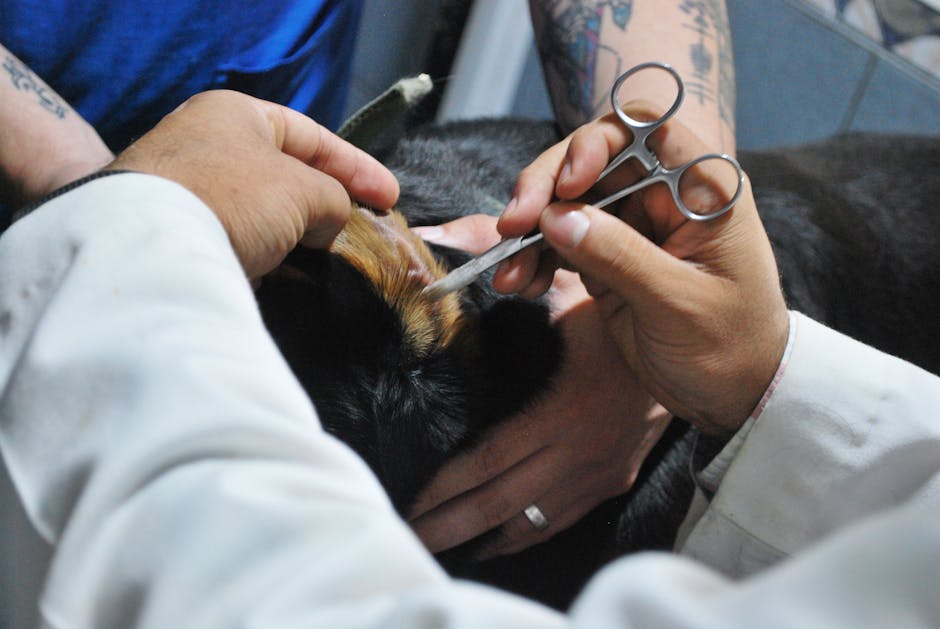
Dog ear infections are one of the most common health issues veterinarians treat, with approximately 10-12% of dogs experiencing at least one ear infection during their lifetime. When water enters your dog's ear canal during swimming, it creates a warm, moist environment that bacteria and yeast thrive in. The ear canal's shape—particularly in floppy-eared breeds—makes it difficult for water to drain naturally. This moisture combined with trapped debris creates ideal conditions for otitis externa (outer ear infection) to develop within 24-48 hours if left untreated. Understanding this biological vulnerability is the first step toward effective prevention and protecting your dog's long-term ear health.
Master the Best Way to Dry Dog Ears After Swimming
The best way to dry dog ears after swimming involves using a clean, absorbent towel to gently wipe the outer ear flap and ear canal opening within minutes of water exposure. For dogs prone to ear issues, consider using a microfiber towel with an evaporative mesh design that accelerates moisture removal. Tilt your dog's head to each side and let gravity help water drain naturally. Never insert cotton swabs deep into the ear canal, as this can cause injury. For water activities, the Adventure Dog Life Jacket Safe Swimming Vest with waterproof TPU coating helps minimize water entry into ears while keeping your dog safe. After drying the outer ear, gently fold the ear flap over and allow air circulation for several minutes to ensure complete moisture evaporation.
Understanding Dog Ear Infection Water Removal Techniques
Dog ear infection water removal requires a multi-step approach: first, encourage your dog to shake their head naturally to expel loose water. This instinctive behavior can remove up to 80% of excess water from the ear canal. Second, use a soft towel to absorb moisture from the outer ear. Third, consider an ear-drying solution recommended by your vet for post-swim care. These solutions typically contain a mixture of isopropyl alcohol and acetic acid that helps evaporate remaining moisture and restore the ear's natural pH balance. Keep your dog's ears dry between swimming sessions by maintaining proper grooming habits. The lightweight, 200g design of quality ear-care accessories makes them portable for trips to the beach or lake.
Preventative Care and Protective Measures
Prevention extends beyond drying techniques. Limit swimming frequency during peak humidity months, and always inspect ears for redness or odor before they develop into infections. Use a Portable Dog Water Bottle Leak Proof Travel Dispenser Bowl to provide fresh drinking water and discourage drinking from lakes or pools. Dogs fitting the 8-25 lbs size range benefit most from preventative ear care routines. Regular ear cleaning with veterinarian-approved solutions once or twice weekly during swimming season helps maintain ear health. Consider using soft foam ear plugs specifically designed for dogs before swimming—these are safe, comfortable, and can reduce water entry by up to 90%. Additionally, trim excess hair around and inside the ear canal to improve air circulation and moisture evaporation.
Comparing Ear Drying Methods and Tools
| Drying Method | Effectiveness | Time Required | Best For |
|---|---|---|---|
| Standard Towel Drying | High | 5-10 minutes | All dogs, daily use |
| Microfiber Mesh Towel | Very High | 3-7 minutes | Prone-to-infection breeds |
| Ear Drying Solution + Towel | Very High | 10-15 minutes | Frequent swimmers |
| Low-Heat Hair Dryer (12+ inches away) | Moderate | 15-20 minutes | Secondary drying only |
Recognizing and Responding to Early Warning Signs
Early detection is crucial for preventing a minor water-related issue from developing into a serious infection. Within 24-48 hours of swimming, watch for subtle signs like excessive head tilting, frequent ear scratching, or mild discharge. A healthy ear should have minimal odor and pink coloring. If you notice any behavioral changes after water exposure, consult your veterinarian before the condition worsens. Some dogs are genetically predisposed to ear problems due to their ear structure—particularly breeds like Cocker Spaniels, Basset Hounds, and Labrador Retrievers. These breeds benefit tremendously from extra preventative care and regular professional ear cleaning during swimming season.
Long-Term Ear Health Strategies for Active Dogs
For dogs that love water activities, establishing a comprehensive year-round ear care routine ensures lasting health. Schedule regular veterinary ear inspections every 6-8 weeks, maintain a consistent grooming schedule, and keep detailed notes about your dog's swimming frequency and any ear-related symptoms. Proper nutrition also supports ear health—omega-3 fatty acids and antioxidants strengthen the ear's natural defenses against infection. Consider creating a post-swim checklist you follow every time your dog gets wet: shake encouragement, towel drying, ear inspection, and optional ear solution application. This habit formation ensures nothing gets overlooked during busy beach days or backyard pool parties.
Frequently Asked Questions
How soon after swimming should I dry my dog's ears?
Dry your dog's ears immediately within 5-10 minutes of exiting the water to prevent bacterial growth. The longer water remains trapped in the ear canal, the higher the risk of infection development. Don't wait until you get home if swimming at a location away from your house.
Can I use a hair dryer on my dog's ears?
Only use a hair dryer on the lowest, coolest setting and keep it at least 12 inches away to avoid burns. Hair dryers should only be used as a secondary drying method after towel drying, never as the primary drying tool. The heat can stress sensitive ear tissue if used improperly.
What signs indicate an ear infection?
Watch for head shaking, ear scratching, discharge, odor, or redness—contact your vet immediately if observed. Other signs include behavior changes, balance issues, or your dog favoring one ear. Early treatment prevents infections from becoming chronic or causing permanent damage.
Are foam ear plugs safe for dogs?
Yes, soft foam ear plugs designed specifically for dogs are safe and can reduce water entry by up to 90% during swimming. They're comfortable, non-toxic, and easily removable. However, always introduce them gradually and supervise your dog initially to ensure they stay in place properly.
How often should I clean my dog's ears during swimming season?
Clean your dog's ears 1-2 times weekly during peak swimming season with veterinarian-approved solutions. This preventative maintenance removes debris, balances pH, and supports your dog's natural ear defenses. Adjust frequency based on your dog's individual susceptibility and swimming frequency.
Related reading: Dog Life Jackets: Swim Safety Guide and Best Dog Life Jacket for Safe Water Adventures
Shop our summer-cooling collection today for all your dog's water safety and comfort needs.
Want more must-haves your dog & cat will love? Discover them all at Petopia Dreams (petopiadreams.com).
🛍 Shop the gear: Browse our Travel & Car collection →
📖 Go deeper: Read our complete guide →