

How to Prevent Dog Ear Infections After Swimming
The most effective way to prevent dog ear infections after swimming is to thoroughly dry your dog's ears immediately after water exposure, using a clean towel and a pet-safe drying solution. Water trapped in the ear canal creates the perfect environment for bacterial and yeast growth, leading to painful infections that can cost hundreds in veterinary care. Understanding the mechanics of ear infections and taking preventive action will keep your swimming companion healthy and happy.
How Water Causes Dog Ear Infections
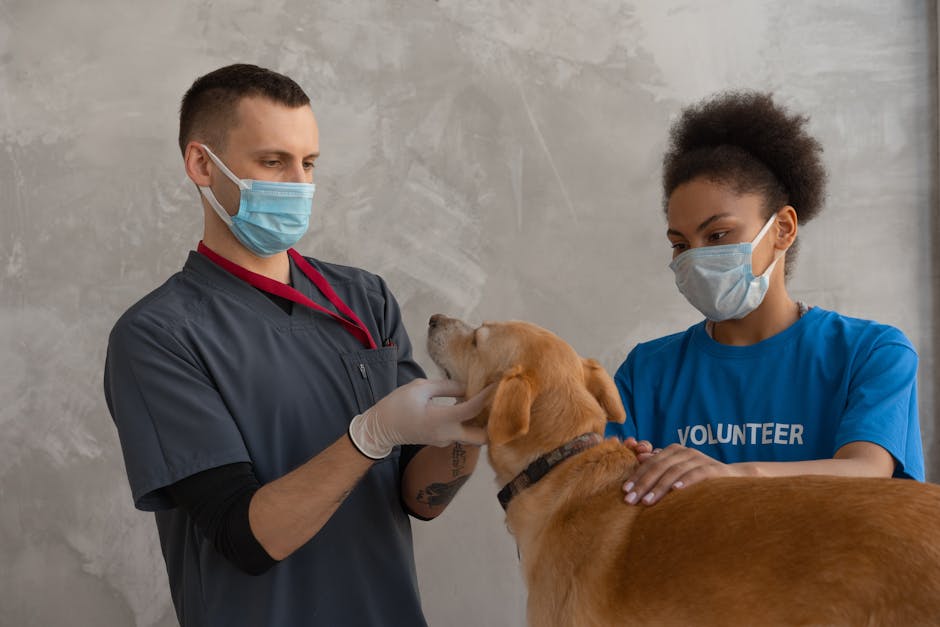
Dog ear infections from swimming occur when moisture becomes trapped in the ear canal, where warm, moist conditions allow bacteria and yeast to flourish. Unlike human ears, canine ear canals are L-shaped and deeper, making water drainage naturally more difficult. Studies show that dogs with floppy ears are 3 times more prone to ear infections than those with erect ears, since their ear flaps reduce air circulation. The dog swimmer's ear prevention challenge intensifies in dogs with allergies or compromised immune systems, as their ear canals are already inflammation-prone. Even a single swimming session or bath can introduce water into the ear canal, making post-water drying absolutely critical to preventing infection development within 24-48 hours.
Essential Drying Techniques After Water Exposure
Immediately after your dog exits the water, gently wipe the outer ear flap and ear canal opening with a clean, absorbent towel. Tilt your dog's head to each side to encourage residual water drainage, then use a veterinary-recommended ear drying solution containing isopropyl alcohol or acetic acid, which evaporates moisture while creating an inhospitable environment for pathogens. Apply the solution according to package directions—typically 2-3 drops per ear—and massage the ear base for 30 seconds to help the solution reach deeper into the canal. How to prevent dog ear infections after swimming ultimately depends on consistency; establish this as a non-negotiable routine after every pool visit, beach day, or bath. If your dog has a history of infections, consider using a pet ear dryer on low, cool settings to safely evaporate stubborn moisture without causing trauma to delicate ear tissue.
Choosing the Right Protective Equipment
Prevention starts before your dog enters the water. The Adventure Dog Life Jacket Safe Swimming Vest protects your swimming dog in multiple ways: its waterproof TPU coating keeps your pup secure and visible, while the reflective strip ensures safety in low-light conditions. More importantly, proper safety gear encourages controlled water exposure and responsible swimming practices, reducing chaotic water entry that forces water into ears. When selecting protective equipment, prioritize items featuring waterproof materials that minimize water saturation around the neck and ear areas. The vest's BPA-free construction ensures your dog contacts only safe materials during extended water play. Investing in quality protective gear is the first line of defense against ear infections and other water-related health issues.
Materials That Matter: Waterproof and Breathable Features
The materials used in dog ear care products directly impact infection prevention effectiveness. Look for ear drying solutions packaged in dark bottles with airtight seals, as exposure to light and air degrades the active ingredients. Waterproof TPU coating technology—the same material found in premium dog life jackets—provides reliable moisture barriers without trapping heat against your dog's skin. Evaporative mesh ear wraps, used after drying solutions, allow excess moisture to dissipate while protecting ears from re-exposure to water. When comparing ear care options, consider that tear-resistant nylon towels designed specifically for dogs offer superior absorbency compared to standard human towels, which can leave lint in sensitive ear tissues. A quality ear drying solution typically costs $8-15 per bottle and lasts through 20-30 applications, making it far more economical than treating established infections.
| Prevention Method | Effectiveness | Cost | Best For |
|---|---|---|---|
| Towel drying only | Moderate (60%) | $0-5 | Dogs with erect ears; minimal water exposure |
| Drying solution + towel | High (85%) | $10-20 | Regular swimmers; floppy-eared breeds |
| Pet ear dryer device | Very High (95%) | $30-60 | Dogs with history of infections; frequent swimmers |
| Protective ear plugs | Excellent (98%) | $15-25 | Competitive swimmers; dogs with chronic ear issues |
Post-Swimming Routine and Recovery
Create a structured post-water routine that becomes as automatic as playtime itself. Within 5 minutes of exiting water, dry the external ear thoroughly, apply your chosen drying solution, and allow your dog to shake naturally (which aids drainage). During warm months, support your dog's overall recovery after water play with the Dog Cooling Mat Summer Heat Relief For Hot Pups, which helps regulate body temperature and reduces stress on the immune system. Monitor your dog's ears daily for the first week after swimming—watch for head shaking, ear scratching, odor, or discharge, which indicate developing infection. Keep your dog's ears clean with regular (weekly or biweekly) gentle cleaning using vet-approved solutions, removing excess ear wax and debris that traps moisture. Maintain this preventive discipline consistently; most dog ear infection from swimming cases occur in owners who skip drying steps occasionally.
Common Prevention Mistakes to Avoid
The biggest mistake dog owners make is using human ear drying products, which contain ingredients potentially harmful to dogs and may disrupt beneficial ear flora. Never insert cotton swabs deep into the ear canal, as this pushes water deeper and risks rupturing the eardrum—instead, allow gravity and proper solutions to do the work. Skipping the drying solution step leaves residual moisture that continues supporting bacterial growth for hours after towel drying. Another critical error is neglecting dogs' ears between swimming sessions; weekly preventive cleaning reduces infection risk by 70% compared to reactive-only care. Finally, don't assume your dog's ear health is fine without veterinary check-ups; some infections develop slowly and become advanced before obvious symptoms appear, costing significantly more to treat.
Frequently Asked Questions
What's the difference between dog swimmer's ear prevention and treating existing infections?
Prevention focuses on drying and moisture control before infection develops, while treatment requires antibiotics or antifungals prescribed by a veterinarian after infection occurs. Prevention is 80% less expensive and causes zero discomfort to your dog.

Can I use human ear drying solutions on my dog?
No—human products contain different pH balances and may include ingredients toxic to dogs. Always use veterinary-formulated ear care solutions specifically designed for canine ear anatomy and health.
How often should I clean my dog's ears if they swim regularly?
Dogs swimming 2+ times weekly should have ears cleaned before each water exposure and after using drying solutions, typically 1-2 times daily during swimming season.
Is how to prevent dog ear infections after swimming different for puppies?
Puppies require gentler techniques and smaller solution volumes, but the principle remains identical: prompt drying and moisture removal after any water exposure.
What weight dog does the Adventure Life Jacket fit?
The Adventure Dog Life Jacket Safe Swimming Vest fits dogs 8-25 lbs, providing secure protection while allowing proper ear airflow during water activities.
Protect your dog's ear health this summer by implementing these science-backed prevention strategies, and explore our summer-cooling collection for additional post-swim care products.
Related Reading:
Best Dog Life Jackets for Safe Water Play
What Temperature Is Too Hot to Walk a Dog?
Want more must-haves your dog & cat will love? Discover them all at Petopia Dreams (petopiadreams.com).