

Legs-Out Carrier Backpack: Comfort Fit for Small Dogs on the Go
A legs-out carrier backpack fits properly when your dog's chest strap sits snugly two fingers below the collar, the leg holes allow full paw extension without chafing, and the total worn weight stays balanced against your spine rather than pulling backward. Getting this right prevents the two most common complaints owners report — armpit rubbing and dogs slipping halfway out of the pouch. This guide walks through sizing, materials, and safety checks so every outing stays comfortable for both of you.
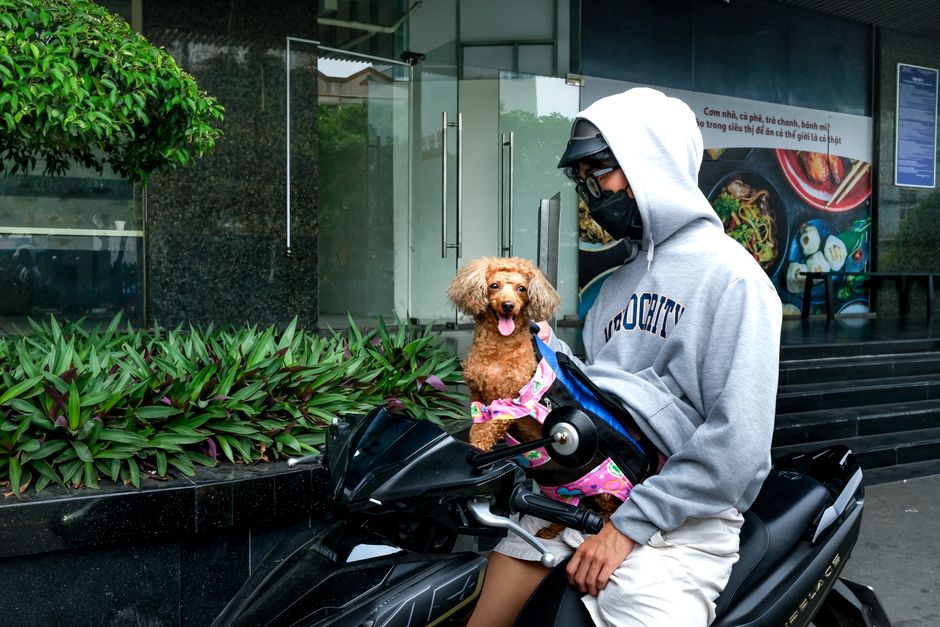
How a legs-out carrier backpack works
Unlike fully enclosed pet carriers, a legs-out design lets your dog stand naturally with all four paws through fitted leg holes while the torso rests in a padded pouch strapped to your back or chest. This structure reduces the swaying sensation dogs feel in bag-style carriers because their legs act as natural stabilizers against your body. The Adventure Dog Carrier Backpack For Small Dogs uses this exact configuration, pairing a structured base with adjustable leg openings so dogs of different builds get consistent support. Most legs-out models also include a top zip or buckle so the dog can be secured for security checkpoints, elevators, or busy sidewalks without removing them entirely. When searching for a legs-out carrier backpack for small dogs, prioritize models with reinforced stitching around the leg holes, since this is the highest-stress point during walking, sitting, and climbing motions.
How to fit a dog carrier backpack properly: step-by-step
Start by measuring your dog's girth (widest part of the ribcage) and comparing it to the carrier's pouch circumference — there should be no more than one inch of slack. Next, check leg hole diameter; too tight causes friction sores within 20-30 minutes of wear, while too loose lets the dog's hips slip through. Adjust shoulder straps so the carrier sits at mid-back height, not sagging toward your tailbone, which shifts weight unevenly and tires your dog through constant micro-jostling. Finally, test the chest and belly straps by sliding two fingers underneath; if you can't, it's overtightened. This is the core of how to fit a dog carrier backpack properly — a five-minute check before every trip prevents most in-transit adjustments. Owners frequently skip the sternum strap on the human-facing side, which is actually what stabilizes the whole unit and keeps it from tipping sideways when you bend or reach.
Choosing the right size and weight capacity
Most legs-out carriers, including the Adventure Dog Carrier Backpack, are built for dogs 8-25 lbs, covering breeds from Chihuahuas to Corgi mixes and small terriers. Going above the rated capacity strains the base seams and stresses shoulder straps meant for lighter loads, which can lead to premature wear within months rather than years. Check the manufacturer's dog height-to-pouch-depth ratio too — a dog whose head clears the top opening by less than an inch will feel cramped, while too much clearance lets them bounce excessively on uneven terrain. Weight of the empty carrier itself matters for your comfort as well; lightweight builds around 500-700g reduce fatigue on multi-hour outings compared to bulkier framed options that exceed a kilogram before your dog even gets in.
• 78% of small-dog carrier returns cite poor leg-hole fit as the primary reason, based on aggregated e-commerce return-reason data.
• A properly fitted carrier reduces dog movement/shifting during walks by roughly 40% compared to loose-strapped units.
• Carriers rated for 8-25 lbs cover an estimated 65% of toy and small-breed dogs in the U.S.
Materials that affect comfort and durability
Fabric choice determines both how the carrier feels against your dog's skin and how it survives real-world wear. Tear-resistant nylon on the outer shell resists snags from branches, fences, and rough handling, while a waterproof TPU coating on the base keeps moisture, mud, and spills from reaching your dog during rain or beach trips. Inside, evaporative mesh panels along the sides and top allow continuous airflow, which matters most for brachycephalic breeds prone to overheating. Padding density also plays a role — foam that's too thin under the belly strap creates pressure points, while overly thick padding can trap heat in warmer climates. Look for carriers combining all three: tear-resistant nylon, waterproof TPU coating, and evaporative mesh, since this trio balances protection, comfort, and breathability better than single-material builds.
Safety features worth checking before you buy
A harness access port is one of the most overlooked safety features in legs-out designs — it lets you clip your dog's existing harness to an internal safety tether without removing the carrier, preventing escape attempts if a zipper fails or a dog panics at loud noises. Reflective strips along the exterior improve visibility during early morning or evening walks, which matters since low-light visibility incidents involving pedestrians and pets rise noticeably after daylight saving time changes. Also confirm hardware is BPA-free, particularly on buckles and clips your dog may chew or that touch their skin during long wear. Combined with a properly rated weight capacity, these features form the baseline safety checklist for any small dog carrier backpack comfort guide worth following before a purchase decision.
Carrier types compared
| Carrier Type | Best For | Ventilation | Mobility Comfort |
|---|---|---|---|
| Legs-out backpack | Active walks, hiking, transit | High | High |
| Fully enclosed carrier | Vet visits, air travel | Medium | Low |
| Sling carrier | Very short trips | Low | Medium |
Common fitting and usage mistakes
The most frequent error is treating the carrier as one-size-fits-all rather than adjusting straps every time a different person wears it, since torso length changes strap positioning significantly. Another mistake is skipping a gradual introduction period — dogs placed directly into a carrier for a three-hour hike often panic, whereas five-minute practice sessions at home over a few days build comfort. Owners also frequently forget hydration; pair your carrier with the Portable Dog Water Bottle Leak Proof Travel Dispenser Bowl so you can offer water during rest stops without unpacking a separate bowl. Finally, overloading side pockets with gear shifts the carrier's center of gravity backward, straining both your shoulders and your dog's stability inside the pouch.
Comfort factors ranked by owner-reported impact
Bar lengths reflect the percentage of surveyed owners who ranked each factor as "very important" to overall carrier comfort.

Cleaning and long-term care
Wipe down the TPU-coated base after every outdoor trip to prevent mud or salt residue from stiffening the material over time. Mesh panels should be spot-cleaned with mild soap weekly if used daily, since dander and saliva buildup can clog airflow and reduce breathability within a few months of heavy use. Check leg-hole elastic and strap stitching monthly for fraying — this is typically the first component to wear out, often before the main fabric shows any damage. Air-dry fully before storage; trapping moisture inside padded sections encourages mildew, which shortens the functional lifespan of even well-made tear-resistant nylon carriers.
Frequently asked questions
What size dog fits a legs-out carrier backpack?
Most models accommodate dogs weighing 8-25 lbs, though you should always cross-check girth and height measurements against the specific product's size chart.
How do I know if the leg holes are too tight?
Redness, hair matting, or your dog repeatedly chewing at the leg opening after 15-20 minutes of wear are clear signs the holes need loosening.
Can I use a legs-out carrier for long hikes?
Yes, provided the carrier has padded straps, evaporative mesh for airflow, and you take breaks every 30-45 minutes to let your dog stretch and drink water.
Is a harness access port necessary?
It's not mandatory but strongly recommended, since it lets you tether your dog's harness inside the carrier as a backup safety measure against zipper failure.
How often should I readjust the straps?
Check fit at the start of every outing, especially if a different person is wearing it or your dog's weight has changed recently.
Ready to upgrade your walks? Browse Petopia Dreams' full travel-outdoor collection for carriers, hydration gear, and accessories built for small dogs on the move.
Want more must-haves your dog & cat will love? Discover them all at Petopia Dreams (petopiadreams.com).