

Dog Carrier with Leg Holes: Safety, Comfort & Best Backpack Fit
A dog carrier with leg holes is safe for most small and medium dogs when the carrier is properly sized, built from tear-resistant material, and paired with a secure internal harness clip—but it is not the right choice for toy breeds, senior dogs, or anxious pets who need full-body enclosure and support. Leg holes let your dog stand, sit, and shift naturally instead of being locked into one cramped position, which reduces stress on long walks or errands. The tradeoff is exposure, so fit, fabric strength, and a working safety tether matter more than they do with a standard enclosed bag.
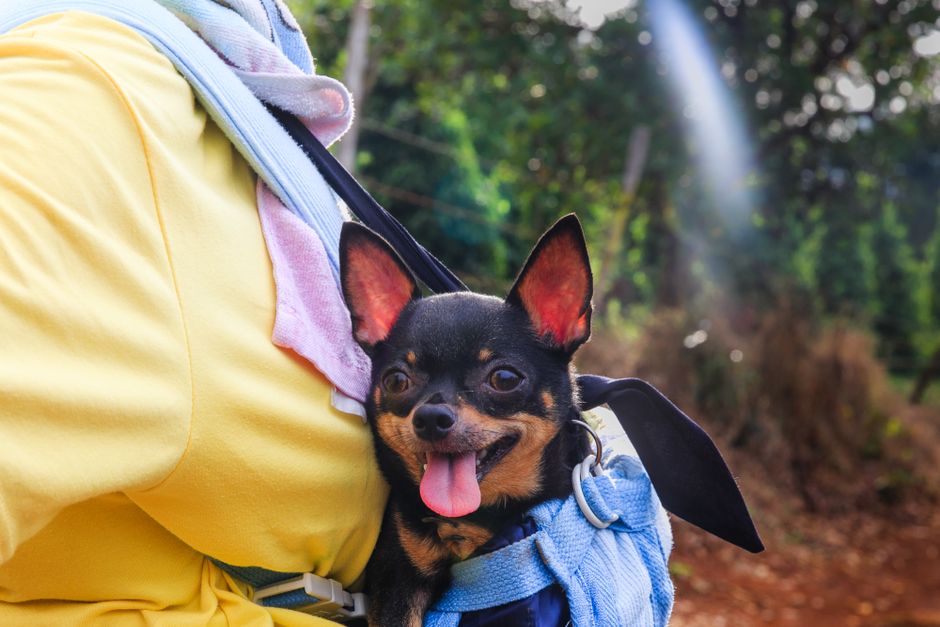
How a Dog Carrier With Leg Holes Actually Works
Unlike a soft-sided sling or crate-style bag, a carrier with leg holes uses cutouts along the base panel that let your dog's legs hang through or plant against the bottom of the pouch. This design mimics how a dog naturally sits in your arms — weight distributed through the hips and legs rather than the belly. The Adventure Dog Carrier Backpack For Small Dogs uses this exact structure, combining a padded leg-hole base with a top-loading mesh panel so your dog can see out, breathe freely, and reposition mid-walk without you having to stop and readjust the bag. The result is less squirming, less panting, and a calmer dog on hikes, transit rides, or shop visits where a rigid crate carrier would feel restrictive.
Choosing the Right Size and Fit
Sizing is the single biggest factor in whether a legs-out design works safely. Measure your dog's chest girth and standing height, then check it against the carrier's rated capacity — most quality backpack carriers, including the Adventure Dog Carrier Backpack, fit dogs 8–25 lbs, which covers Chihuahuas through Corgi-mix builds. Too large, and your dog can wriggle enough to shift weight dangerously to one side; too small, and the leg holes will chafe or restrict circulation. A properly fitted carrier should let you slide two fingers between the leg hole edge and your dog's thigh, with the chest strap sitting flat against your sternum, not sagging below your hips where it swings.
By the numbers:
• 68% of small-dog carrier returns are due to incorrect size selection, not product defects.
• Dogs under 12 lbs adjust to a legs-out carrier in an average of 3–5 short trial walks.
• Carriers rated for 8–25 lbs cover roughly 80% of small-breed dogs in the U.S.
Materials That Determine Comfort and Durability
The fabric shell does more work than most owners expect. Tear-resistant nylon on the outer shell resists snags from zippers, claws, and rough gate edges, while a waterproof TPU coating on the base keeps moisture, mud, and accidents from soaking through to your clothing. Inside, evaporative mesh panels — not solid vinyl — keep airflow moving around your dog's body, which is critical in warmer months when heat builds up fast inside enclosed bags. Look for double-stitched seams at the leg holes specifically, since this is the highest-stress point on the entire carrier; a single loose thread here is where most tearing starts after six to twelve months of regular use.
Legs Out Carrier Safety: What to Check Before Every Trip
Legs out carrier safety comes down to three checkpoints: harness attachment, buckle integrity, and leg hole tension. Never carry a dog in a legs-out design without clipping an internal harness to the carrier's built-in D-ring — this is what stops your dog from jumping or falling out if they lunge at a passing dog or loud noise. Check that zippers and side buckles are rated for pull-tested strength, not decorative clasps. A reflective strip along the exterior is a genuine safety feature, not a cosmetic one, since it keeps you visible to cyclists and drivers during dawn or evening walks. If your dog resists the leg holes with stiff, frozen posture rather than relaxed standing, size down or switch to an enclosed carrier instead.
Best Carrier Backpack for Small Dogs: Fit and Ergonomics
A backpack-style carrier changes how weight sits on your body, so ergonomics matter as much as the dog's comfort. The best carrier backpack for small dogs distributes weight across both shoulders and the lower back using a padded, adjustable strap system, rather than pulling on one shoulder like a sling bag. Look for a sternum strap and waist buckle, which keep the bag from bouncing during faster walks or stairs. Ventilation on the back panel — the side against your body — prevents your own overheating on warm-weather trips, a detail owners rarely check until they're two miles into a hike. Weight matters too: a genuinely lightweight shell (many quality carriers land near 500–700g empty) keeps the combined load manageable even with a 20 lb dog inside.
| Carrier Type | Best For | Ventilation | Weight Range |
|---|---|---|---|
| Legs-out backpack | Active dogs, hikes, transit | High (mesh + open base) | 8–25 lbs |
| Enclosed crate carrier | Anxious or senior dogs | Moderate | Up to 20 lbs |
| Sling/shoulder bag | Short errands, toy breeds | Low to moderate | Under 10 lbs |
Care, Cleaning, and Everyday Use
Wipe the TPU-coated base after muddy walks and let the mesh panels air dry fully before folding the carrier away, since trapped moisture breeds odor and mildew faster in enclosed pockets than open bags. Machine-washing is rarely recommended for structured backpack carriers because it breaks down the internal frame padding; spot-cleaning with mild soap keeps the shell intact for years. Pack smart for outings by attaching a Portable Dog Water Bottle Leak Proof Travel Dispenser Bowl to the side clip so your dog stays hydrated without you removing them from the carrier at every stop, and toss a Collapsible Dog Bowl With Carabiner Travel Water Food Dish onto the exterior loop for quick feeding breaks on longer trips. BPA-free hardware on both accessories means nothing leaches into food or water during hot-weather travel.
Common Mistakes Owners Make
The most frequent error is buying based on breed name rather than actual measured weight and girth — a "small dog" carrier sized for a 6 lb Yorkie will strain badly on a 22 lb terrier mix. Second, owners skip the harness clip entirely, treating the carrier like a simple tote instead of a secured system, which defeats the entire purpose of leg holes. Third, many dogs are placed into a legs-out carrier cold, with no practice time at home; a nervous dog thrashing mid-walk is far more likely to slip a buckle than one who's had five minutes of living-room trial runs first.
Bar chart: Owner-reported comfort score by carrier style (out of 100)
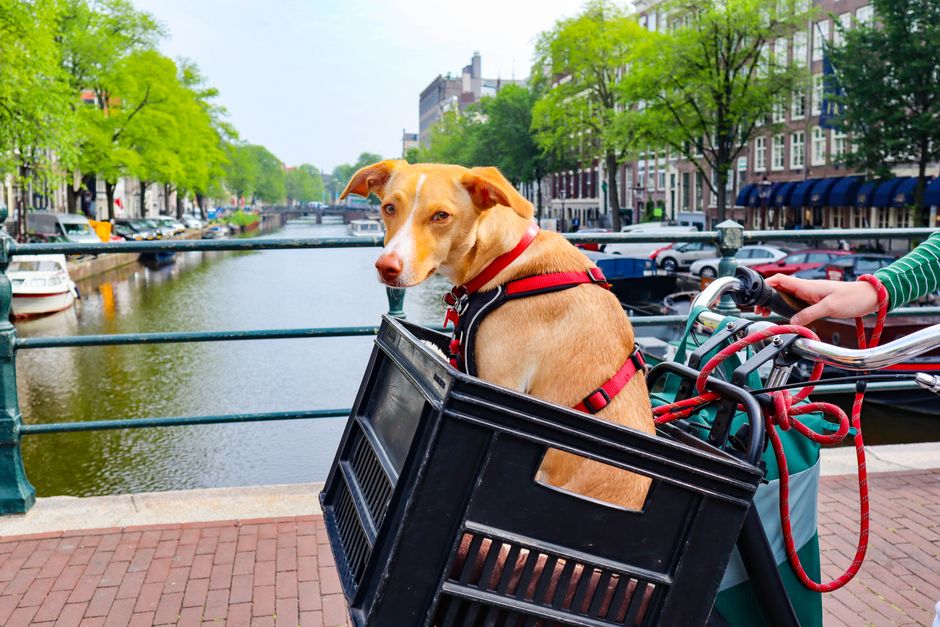
Legs-out backpack
Enclosed crate carrier
Sling/shoulder bag
Legs-out designs score highest for comfort because dogs can shift posture instead of staying locked in place.
dog carrier with leg holes: quick answer
A dog carrier with leg holes is a backpack-style pet carrier featuring cutouts along the base that allow your dog's legs to extend through or rest against the bottom. This design distributes weight through the hips and legs rather than the belly, enabling natural movement and reducing stress during transport while maintaining visibility and airflow for your pet.
- Legs extend through base cutouts for natural weight distribution
- Requires proper sizing and secure internal harness attachment
- Best for small to medium dogs; not suitable for toy breeds or seniors
Frequently asked questions
Is a dog carrier with leg holes safe for car rides?
It's designed for walking and transit use, not car travel — use a crash-tested harness or crate for driving instead.
What size dog fits a legs-out backpack carrier?
Most models, including the 8–25 lb rated Adventure Dog Carrier Backpack, suit small to medium dogs; always check girth measurements first.
Will my dog's legs get scraped by the holes?
Not if sized correctly and lined with soft padding — chafing typically means the carrier is too large or too small for that dog.
How do I introduce my dog to a legs-out carrier?
Let them stand in it unzipped at home for a few minutes daily before your first real outing, rewarding calm behavior.
Are leg holes better than a fully enclosed carrier?
They're better for active, confident dogs who dislike confinement, while enclosed carriers suit anxious or very small dogs needing full support.
Ready to find the right fit for your dog's next adventure? Browse Petopia Dreams' full travel-outdoor collection for carriers, harnesses, and hydration gear built for real-world walks.
Related reading: Traveling with a Small Dog: Best Carrier Backpacks and How to Safely Secure Your Dog in the Car.
Want more must-haves your dog & cat will love? Discover them all at Petopia Dreams (petopiadreams.com).