

Lick Mats for Dogs and Cats: What They Are, How They Work, and Why Vets Recommend Them
Lick mats calm dogs and cats by encouraging repetitive licking, which releases endorphins and reduces stress — making them useful for bath time, grooming, vet visits, and separation anxiety, as well as slowing down fast eaters. Spread with a thin layer of peanut butter, wet food, yoghurt, or pumpkin puree, a lick mat turns a source of anxiety into a positive, focused activity.
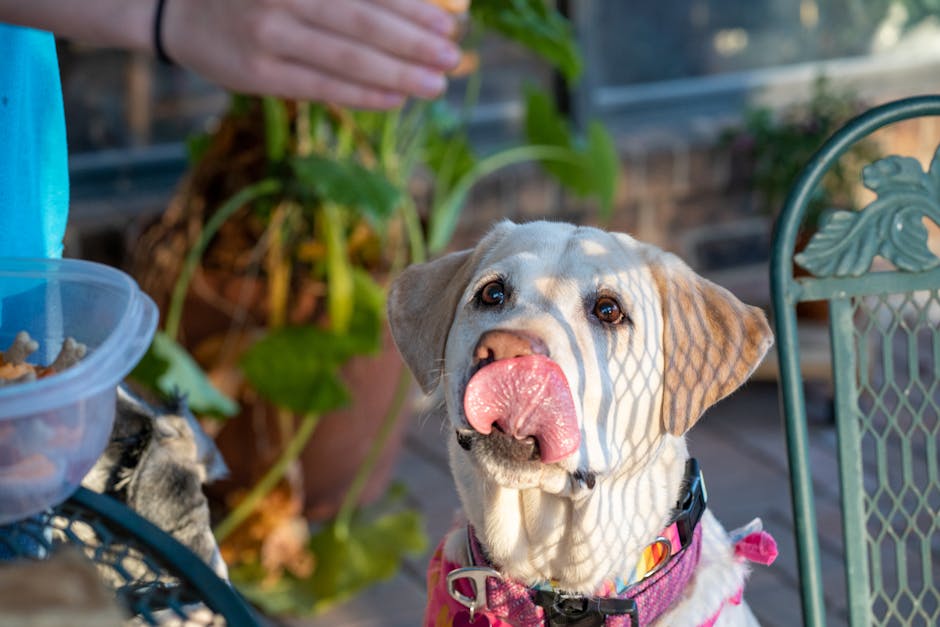
How licking promotes calm
Repetitive licking triggers saliva production and activates the parasympathetic nervous system — the body's "rest and digest" mode. The textured surface of a lick mat extends licking time from seconds to several minutes, giving the calming effect time to kick in. Studies show that when dogs engage in prolonged licking, their cortisol levels drop measurably within 10 minutes, signaling genuine stress relief. This biochemical response is why veterinarians across North America recommend lick mats as a drug-free anxiety management tool for pets facing routine stressors.
When to use a lick mat
- Bath time and grooming: stick a bath lick pad to the tub or shower wall with suction cups to keep your dog still and calm during washing.
- Separation anxiety: freeze a lick mat the night before and leave it with your dog when you go out — a frozen mat lasts 20–30 minutes.
- Fast eaters: spread their meal on a grass-design silicone lick mat to extend mealtime and aid digestion.
- Thunderstorms and fireworks: a lick mat with a high-value spread redirects anxious energy into a calm, focused activity.
- Vet and groomer visits: let your pet become accustomed to lick mats at home so they remain a comforting tool during stressful professional appointments.
- Crate training and indoor confinement: a lick mat makes time in a crate or pen feel rewarding rather than isolating.
Types of lick mats
For general calm and feeding, a suction-cup lick mat stays put on any smooth surface. For freezing, a thicker silicone calming pad holds more filling and lasts longer. For cats and small dogs, a gentle-texture silicone mat is less intense than deep-ridged dog mats. Below is a quick comparison of the main options:
| Lick Mat Type | Best For | Freezing Suitable | Durability |
|---|---|---|---|
| Suction-cup lick mat | Bath time, quick sessions, stable surfaces | Yes, moderate hold | 2–3 years with care |
| Silicone calming pad (thick) | Extended freezing, long-lasting relief | Yes, excellent hold | 3–4 years, very durable |
| Gentle-texture silicone (cats/small dogs) | Sensitive mouths, cats, puppies | Yes, light hold | 2–3 years, flexible |
| Ridged rubber mat | Heavy-duty chewers, outdoor use | Yes, superior grip | 4+ years, most rugged |
Safe fillings to use
The right filling transforms a lick mat from a simple puzzle toy into a therapeutic treat your pet loves. Always use pet-safe ingredients and check labels carefully for harmful additives.
- Plain peanut butter (no xylitol — always check the label)
- Unsweetened plain yoghurt or kefir
- Pumpkin puree (great for digestion)
- Mashed banana or sweet potato
- Wet cat or dog food
- Bone broth (low sodium, pet-formulated)
- Applesauce (unsweetened)
- Cottage cheese or cream cheese (small amounts)
How to maximize lick mat benefits
Introduce lick mats gradually so your pet builds a positive association. Start with short sessions of 5 minutes and reward calm behavior around the mat. Rotate fillings to maintain interest and prevent boredom. For separation anxiety, establish the lick mat routine during low-stress times first; this teaches your pet that the mat signals a calm, safe activity before you actually leave. Freeze mats overnight for morning departures or stressful events — the extended duration and cold sensation often intensify the soothing effect. Clean mats thoroughly after each use to prevent bacterial growth and extend their lifespan. Store in a cool, dry place away from direct sunlight, which can degrade silicone over time.

Frequently asked questions
How long should a dog lick a lick mat?
5–20 minutes is typical. Frozen mats last longer. Don't leave any mat unsupervised for extended periods.
Are lick mats dishwasher safe?
Most silicone lick mats are top-rack dishwasher safe. Check the product instructions.
Can puppies use lick mats?
Yes — they're great for puppy socialisation and for making grooming and vet visits positive early on.
How do I clean a lick mat properly?
Rinse immediately after use, wash with warm soapy water or place on the top rack of the dishwasher, and dry completely before storing. For stubborn residue, soak in warm water for 10 minutes before scrubbing.
Can I use a lick mat to replace teeth brushing?
No — lick mats are a stress-relief and enrichment tool, not a dental care substitute. Continue regular brushing and dental care alongside lick mat use.
Browse all lick mats and slow feeders for dogs and cats.
Want more must-haves your dog & cat will love? Discover them all at Petopia Dreams (petopiadreams.com).
🛍 Shop the gear: Browse our Travel & Car collection →
📖 Go deeper: Read our complete guide →