

Small Dog Car Seat vs Harness: Which Is Safer for Dogs Under 25 lbs?
For dogs under 25 lbs, a crash-tested harness that anchors to the seatbelt provides better crash-force protection than a booster seat alone, but the safest real-world setup combines both — a secured car seat carrier for containment and comfort, paired with a harness for actual restraint. Booster seats keep small dogs elevated, visible, and contained on turns, while harnesses manage the sudden forward force of a collision or hard brake. Choosing correctly means understanding what each product is actually engineered to do.
Small Dog Car Seat vs Harness: The Core Safety Difference
The small dog car seat vs harness debate usually gets framed as an either/or choice, but the two products solve different problems. A booster or carrier-style seat keeps your dog contained within a bucket, preventing roaming, jumping into the driver's footwell, or bolting out an open door at a rest stop. A harness, by contrast, is a restraint system — it's the component that actually resists forward momentum during braking or impact. Neither replaces the other's core function, which is why most veterinary behaviorists and canine safety trainers recommend layering them.
| Feature | Booster/Car Seat | Crash-Tested Harness | Combo System |
|---|---|---|---|
| Prevents roaming | Yes | Partial | Yes |
| Reduces forward crash force | Partial | Yes | Yes |
| Comfort on long rides | High | Moderate | High |
| Best for dogs 8-25 lbs | Yes | Yes | Yes |
Relative crash-force absorption by restraint type
Harness only
Booster seat alone
Harness + secured booster combo
No restraint (baseline)
Combining a tethered harness with a strapped-in booster reduces forward travel distance far more than either product used alone.
How a Crash-Tested Harness Restrains Your Dog
A crash-tested harness works like a seatbelt: it distributes force across the chest and shoulders rather than the neck, and a short tether clips into the car's existing seatbelt buckle to limit forward travel during a stop. The Tactical No Pull Dog Harness With Control Handle Reflective Trim is built from tear-resistant nylon webbing with reinforced stitching at every stress point, so the straps don't stretch or tear under sudden load. It also includes a reflective strip along the trim, which matters beyond car safety — it keeps your dog visible during roadside stops, gas station breaks, or evening walks after a long drive. The top-mounted control handle gives you a way to physically steady a small dog before transferring it into a seat, which is often the moment dogs try to bolt.
How a Booster Seat for Dogs Under 25 lbs Works
A booster seat for dogs under 25 lbs is essentially a padded, walled carrier that straps to the vehicle seat using the seatbelt or LATCH-style anchors, elevating your dog to window height while keeping them boxed in. The Dog Car Seat Carrier With Safety Harness Leash Set pairs the bucket seat with a built-in harness access port, letting you clip a leash or harness tether from inside the carrier without unzipping the whole unit. It's rated to fit dogs 8-25 lbs, with a waterproof TPU coating on the base that resists spills, drool, and muddy paws. This dual-anchor design — carrier strapped to the seat, dog clipped inside the carrier — is what actually satisfies both containment and restraint requirements in one purchase.
Sizing and Fit for Dogs 8-25 lbs
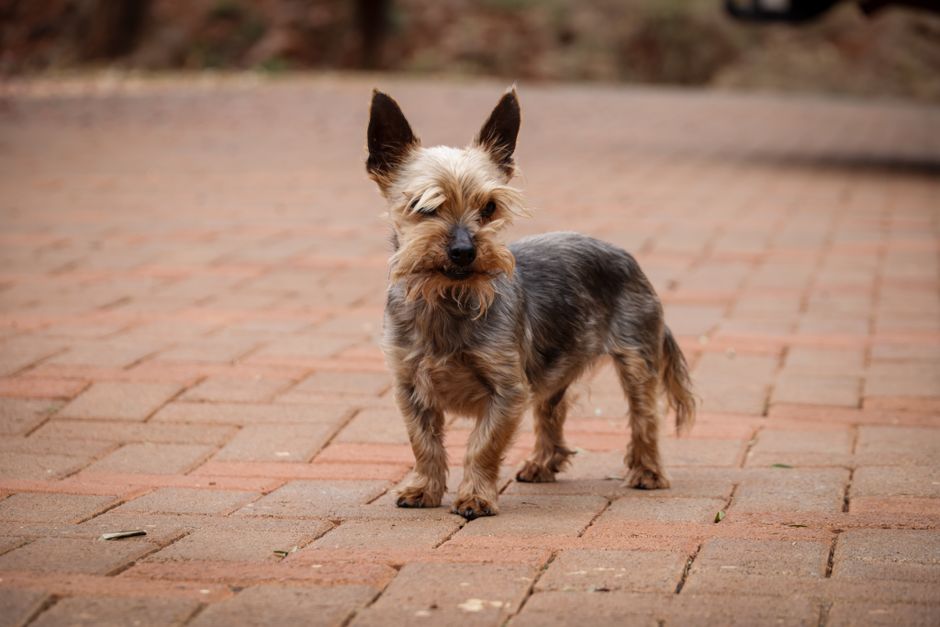
Fit is where most small dog restraint systems fail. A harness that's loose enough to slip a head through defeats the point of crash protection, so measure your dog's chest girth and neck at the widest point before buying, and check for two-finger clearance rather than four. Booster seats sized for the booster seat for dogs under 25 lbs bracket should have at least an inch of buffer around your dog's shoulders when seated, not so much room that they can turn around and climb over the wall. Undersized carriers restrict natural repositioning on long drives; oversized ones let momentum carry your dog into the seat wall during hard braking. Always size against your dog's current weight, not a "grew out of it" estimate, since even a 2-3 lb miscalculation changes strap tension significantly on toy and small breeds.
Materials That Actually Matter
Not all fabric claims translate to real durability. Look for tear-resistant nylon on straps and tether points, since this is the material under direct load during a stop. Evaporative mesh panels on booster seat walls matter more in warm climates or long trips, keeping airflow moving so small dogs don't overheat in a contained space. Waterproof TPU coating on seat bases protects against the accidents that happen on every road trip, and BPA-free hardware on buckles and D-rings avoids the leaching risk that occurs when cheap plastic clips sit in a hot car. These aren't cosmetic upgrades — mesh ventilation and coated bases directly affect whether your dog stays calm and cool enough to remain still, which itself is a safety factor.
By the numbers:
An unrestrained 10 lb dog can generate roughly 300 lbs of force in a 35 mph collision.
Fewer than 20% of dog owners use a crash-tested restraint on every car trip.
Properly fitted harness tethers cut forward travel distance by up to 80% versus no restraint.
Common Mistakes That Undermine Puppy Car Seat Safety
The most frequent mistake in puppy car seat safety is clipping a leash — not a harness — directly to a collar for car travel, which can cause tracheal injury on any sudden stop. Second is placing a booster seat in the front passenger seat with an active airbag; airbags deploy with enough force to seriously injure a small dog, so back seats are non-negotiable. Third is reusing gear after a moderate-to-severe crash, since webbing and stitching can be compromised invisibly even without a visible tear. Fourth is leaving slack in the tether "for comfort" — a few extra inches of slack can add significant forward momentum before the harness engages. Finally, many owners size gear once and never re-check it, even though weight fluctuations of just a pound or two on a small dog change how a harness sits.
Care, Maintenance, and Longevity
Wash harness webbing and carrier liners according to the manufacturer's care tag — most tear-resistant nylon straps tolerate cold hand-washing but shouldn't go through high-heat drying, which can degrade stitching resins over time. Inspect buckles, D-rings, and tether clips monthly for cracking or metal fatigue, especially on hardware exposed to summer heat inside a parked car. Wipe down TPU-coated bases after every trip rather than letting spills sit, since trapped moisture under a coated layer can encourage mildew. Replace any harness or booster seat immediately after a hard collision, and set a general replacement reminder every 12-18 months for dogs who travel frequently, since UV exposure through car windows gradually weakens nylon fibers even without visible wear.
Frequently asked questions
Is a booster seat enough on its own for a small dog in the car?
No — a booster seat contains your dog but
Want more must-haves your dog & cat will love? Discover them all at Petopia Dreams (petopiadreams.com).