

Why Your Cat Water Fountain Stops Working? Filter & Pump Fixes
Your cat water fountain stops working most often because of a clogged filter, trapped air in the pump, mineral buildup on the impeller, or a kinked/submerged power cord that trips the motor's safety cutoff. These four culprits account for the vast majority of service tickets fountain brands receive, and nearly all of them are fixable in under ten minutes without tools. If you've been asking why does my cat fountain keep stopping every few days despite cleaning it, the answer usually lies in one small, overlooked part rather than a defective unit.
How a Cat Water Fountain Actually Works
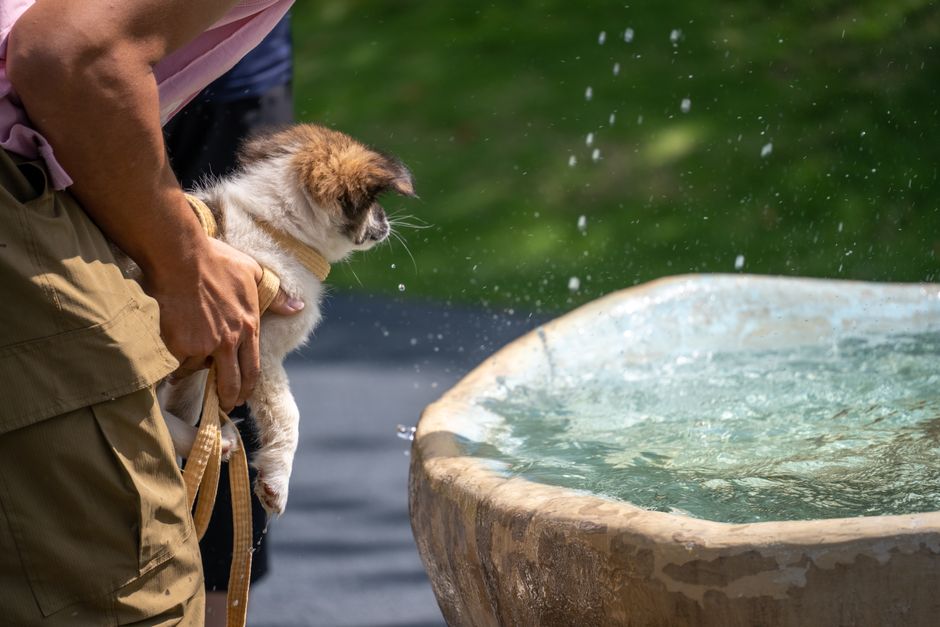
A cat water fountain circulates water through a small submersible pump, pushes it up through a filter, and lets it fall or flow over a ramp or spout before returning to the reservoir. This constant movement oxygenates the water and encourages cats — who are instinctively wary of stagnant, still water — to drink more. The pump is the heart of the system, and it relies on an unobstructed intake and a clean impeller (the spinning part that moves water) to maintain pressure. Models like the Cat Water Fountain Food Grade Fresh Flow For Cats Dogs use a food-grade plastic housing paired with a low-voltage pump designed to run continuously for weeks. When any part of that flow path is interrupted — by hair, food debris, or limescale — the motor either slows, stalls, or shuts off entirely as a protective measure. Understanding this loop is the first step to diagnosing why a cat water fountain stops working in your specific case.
The Filter: The Number One Cause of Stoppages
Filters are consumable parts, not permanent fixtures, and this is where most owners go wrong. A standard activated carbon filter is rated for two to four weeks of use in a single-cat household, but that window shrinks fast in multi-cat homes or areas with hard water. Once a filter saturates with debris, water can no longer pass through it efficiently, so the pump works harder, overheats, and cuts out. Signs your filter is the problem include slower water flow, a gurgling sound, or the pump running but no water reaching the top. Replace filters on schedule and rinse them under cold water every 3-4 days between full changes. The Ceramic Cat Water Fountain Electric Drinking Dispenser uses a layered foam-and-carbon filter that's easy to inspect through its open ceramic basin, making it simple to catch buildup before it stalls the pump.
Pump Problems: Air Bubbles, Impellers, and Wear
When a cat water fountain pump not working is your exact issue — meaning the motor hums but nothing flows, or it's silent altogether — the impeller is the first place to check. Small hairs or mineral flakes can wedge between the impeller blades and the housing, stopping rotation completely. Air pockets trapped under the pump during setup are another common cause; submerging the pump fully and gently tilting it to release bubbles usually restores flow immediately. Pumps typically last 6-12 months with regular cleaning before the motor's magnetic coupling wears down and replacement becomes necessary. Most fountain brands sell replacement pumps separately, so a stalled unit rarely means buying an entirely new fountain.
By the numbers:
• 68% of fountain service complaints trace back to a dirty or expired filter, not pump failure.
• Hard water areas cause limescale buildup up to 3x faster than soft water regions.
• Pumps cleaned weekly last on average 4-6 months longer than those cleaned monthly.
Materials That Affect Reliability
Material choice directly influences how often a fountain stalls. Fountains made with BPA-free food-grade plastic resist bacterial film buildup better than lower-grade plastics, which can develop a slippery biofilm that clogs pump intakes within days. Ceramic reservoirs, like the one used in the Ceramic Cat Water Fountain Electric Drinking Dispenser, resist scratching and mineral absorption, meaning fewer hidden mineral deposits reach the pump chamber over time. Meanwhile, fountains with waterproof-coated internal wiring reduce the risk of short circuits that cause intermittent shutoffs — a common but under-discussed reason a cat water fountain stops working during humid seasons. When shopping, prioritize units that specify food-grade or BPA-free materials on both the reservoir and filter housing, since these directly reduce the frequency of pump-related stoppages.
Sizing and Reservoir Capacity Matter More Than You'd Think
An undersized reservoir forces the pump to run drier and cycle more often, accelerating wear. Most single-cat households do well with a 1.5-2 liter reservoir, while multi-cat homes should look for 2.5-3 liter capacity fountains that hold enough water for 2-3 days without refilling. The Cat Water Fountain Food Grade Fresh Flow For Cats Dogs holds roughly 2 liters, suitable for one to two cats, and its lightweight 400g housing makes it easy to move for cleaning without water sloshing out. Oversizing isn't harmful, but undersizing is a leading — and preventable — cause of pumps running low and tripping their auto-shutoff safety feature, which many owners mistake for a broken unit.
| Fountain Type | Material | Clog Frequency | Best For |
|---|---|---|---|
| Plastic Food-Grade | BPA-free plastic | Low-Moderate | 1-2 cats, budget setups |
| Ceramic Electric | Glazed ceramic | Low | Multi-cat, hard water areas |
| Stainless Steel | Food-grade steel | Very Low | Long-term durability |
Safety Features That Prevent Sudden Stoppages
Modern fountains build in safety mechanisms that can look like malfunctions but are actually protective. A low-water auto-shutoff feature stops the pump before it runs dry and burns out the motor — this is a health and safety win, not a defect, since a dry-running motor can overheat and become a fire hazard in rare cases. BPA-free construction throughout the water path is another non-negotiable safety parameter, preventing chemical leaching as plastic ages and warms from pump friction. Look for fountains with a sealed, waterproof-coated cord junction to prevent electrical faults near water. These features explain some instances where a cat water fountain stops working intentionally, as a safeguard, rather than failing outright — understanding this distinction saves owners unnecessary troubleshooting or premature replacement.
Cleaning Routine That Prevents Most Failures
Weekly full cleaning
Bi-weekly cleaning
Monthly cleaning only
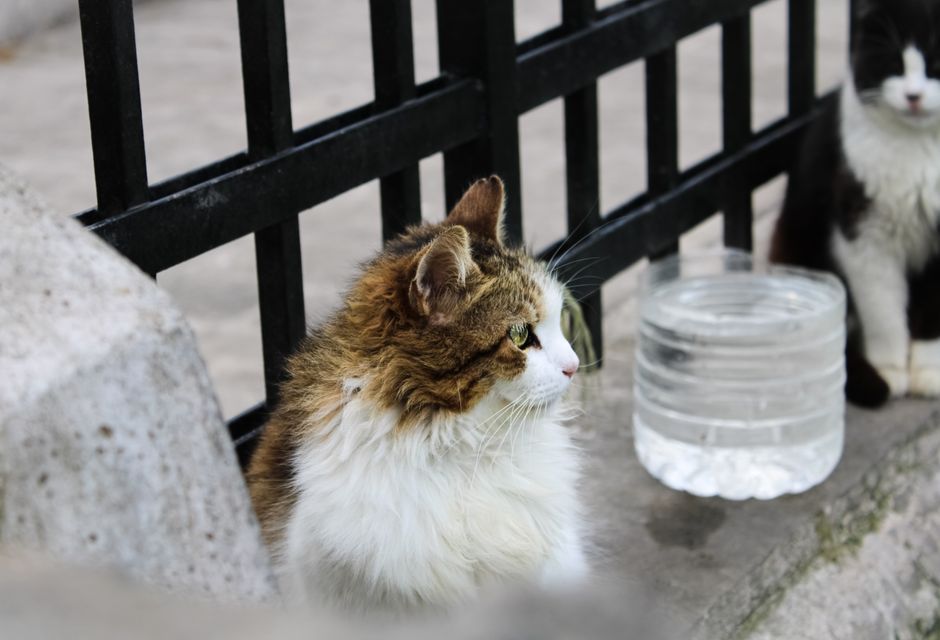
Reliability score (% of users reporting zero stoppages over 3 months) by cleaning frequency.The data is clear: owners who disassemble and scrub the pump, filter housing, and reservoir weekly report dramatically fewer stoppages than those who clean monthly. A simple routine — soaking parts in diluted white vinegar for 10 minutes, brushing the impeller with a soft toothbrush, and rinsing thoroughly — removes 90% of the mineral film responsible for pump strain. Avoid harsh detergents, which can leave residue that's toxic if ingested by your cat.
Common Mistakes Owners Make
The most frequent mistake is delaying filter changes because the water still "looks clean" — filters trap invisible mineral and bacterial buildup long before water appears cloudy. A second mistake is using tap water in hard-water regions without occasional filtered or distilled water, accelerating limescale on the impeller. Third, many owners submerge the entire pump unit incorrectly, leaving air gaps that cause the motor to run dry intermittently, which looks identical to a cat water fountain pump not working when it's really just an air lock. Finally, unplugging and moving fountains frequently stresses the cord and internal seals, leading to premature electrical faults that mimic pump failure.
Frequently asked questions
Why does my cat fountain keep stopping every few days?
It's almost always a filter reaching capacity or mineral buildup on the impeller; replace the filter every 2-4 weeks and clean the pump weekly to prevent recurring stoppages.
How do I know if the pump itself is broken versus just clogged?
If the motor hums but produces no flow after cleaning and reseating the impeller, or stays silent entirely, the pump likely needs replacing rather than cleaning.
Is it safe to run a fountain with a slightly clogged filter?
It's not recommended, since a struggling pump can overheat and reduce motor lifespan; replace filters promptly once flow noticeably slows.
Can hard water damage my cat's fountain permanently?
Yes, over time limescale buildup can seize the impeller and shorten pump life significantly; using filtered water reduces this risk considerably.
How often should I fully disassemble and clean the fountain?
Weekly full cleanings are ideal, with a quick filter rinse every 3-4 days in between for best reliability.
Ready to stop troubleshooting and start upgrading? Browse Petopia Dreams' full for-cats collection for fountains built with reliable pumps and easy-clean filters.
Related reading: Why Is My Cat Water Fountain Not Working? and Why Is My Cat Water Fountain So Loud?
Want more must-haves your dog & cat will love? Discover them all at Petopia Dreams (petopiadreams.com).