

Why Does My Dog Pant at Night? Causes & Solutions
Your dog pants at night primarily due to heat, anxiety, or underlying health conditions, and you can help them sleep better by providing cooling solutions, maintaining a comfortable environment, and consulting your vet if panting persists. Understanding the root cause of nighttime panting is essential for your pet's comfort and your peace of mind.
Understanding Why Does My Dog Pant at Night
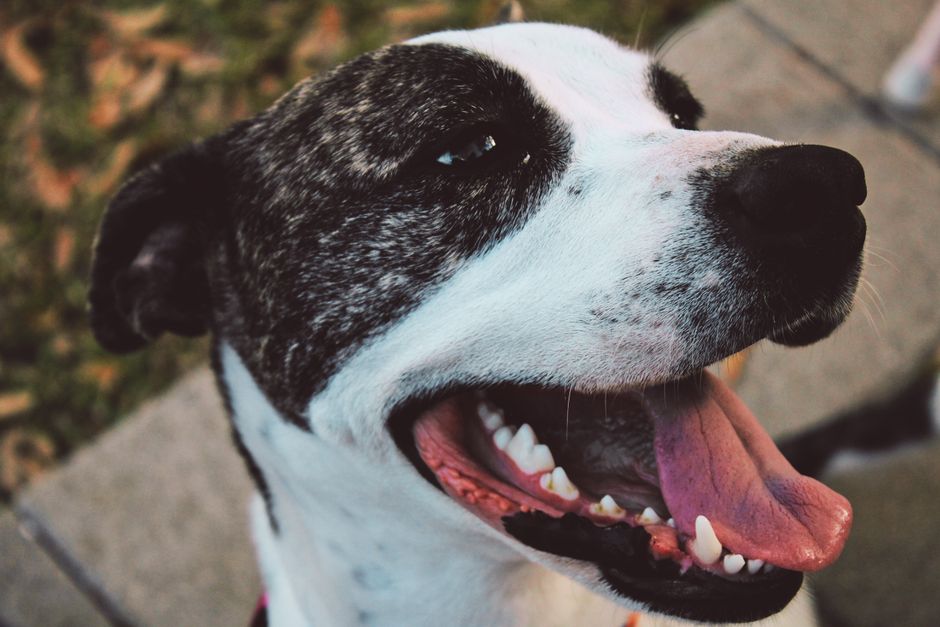
Dog panting at night causes range from environmental to medical factors. Unlike humans who sweat, dogs regulate body temperature through panting—a natural cooling mechanism. However, excessive nighttime panting often signals discomfort or stress. Temperature fluctuations in your bedroom, anxiety from separation, pain, or respiratory issues can all trigger this behavior. According to veterinary research, approximately 35% of dogs experience sleep disturbances related to temperature regulation, making nighttime panting surprisingly common. Your dog's breed matters too; brachycephalic breeds like Bulldogs and Pugs are naturally prone to heavier panting due to their airway structure. If your dog previously slept peacefully but suddenly pants at night, this warrants closer attention and potentially a veterinary consultation to rule out medical causes.
Heat and Environmental Factors
Temperature is the most straightforward culprit behind nighttime panting. Dogs feel heat more intensely in enclosed spaces, and bedroom temperatures above 70°F can trigger excessive panting. Your heating system, closed windows, and body heat from sleeping nearby all contribute to a warm microclimate around your dog's sleeping area. Combat this by ensuring proper ventilation, using fans, or adjusting your thermostat. The Dog Cooling Mat Summer Heat Relief For Hot Pups uses evaporative mesh technology to actively dissipate body heat without electricity, making it ideal for bedroom use. This mat works for dogs 8-25 lbs and weighs just 200g, so it's lightweight enough to position anywhere in your dog's sleeping space. Another excellent solution is the Dog Cooling Vest Beat The Heat Summer Cooling Coat, which provides portable temperature regulation your dog can wear throughout the night.
Anxiety and Stress-Related Panting
Nighttime anxiety ranks among the most overlooked dog panting at night causes. Dogs experience separation anxiety, storm phobia, and general nervousness that intensifies at night when the house is quiet and dark. Signs include pacing, restlessness, and rapid shallow panting without exertion. Creating a calming bedtime routine—dimming lights 30 minutes before sleep, using white noise machines, and establishing consistent sleep schedules—can significantly reduce anxiety-induced panting. The Dog Anxiety Jacket Calming Warm Vest For Nervous Dogs applies gentle pressure similar to swaddling, scientifically proven to calm anxious dogs. This vest features tear-resistant nylon construction and includes a reflective strip for safety if your dog needs bathroom breaks during the night. Studies show that anxiety wraps reduce stress-related behaviors in 64% of dogs within the first week of use. A secure, comfortable sleeping area with your dog's favorite toys and bedding creates a den-like environment that naturally soothes anxiety.
Health Conditions That Cause Nighttime Panting
When environmental and behavioral factors are ruled out, medical conditions demand attention. Heart disease, respiratory infections, pain from arthritis or injuries, and thyroid imbalances all manifest as nighttime panting. Older dogs are particularly susceptible; a dog panting excessively at night after age 7 warrants immediate veterinary evaluation. Fever, allergies, and obesity also increase panting frequency. Your veterinarian can perform bloodwork, X-rays, and physical examinations to diagnose underlying issues. Never assume nighttime panting is normal without professional assessment, as early detection of conditions like heart disease significantly improves outcomes. If panting accompanies lethargy, loss of appetite, coughing, or behavioral changes, schedule a vet visit within 24 hours.
Selecting the Right Cooling and Comfort Solutions
Choosing the appropriate product depends on your dog's specific needs and panting triggers. Compare cooling options using this framework:
| Solution Type | Best For | Key Features | Temperature Range |
|---|---|---|---|
| Cooling Mat | Heat-related panting, stationary sleepers | Evaporative mesh, 200g lightweight, dogs 8-25 lbs | Reduces surface temp 10-15°F |
| Cooling Vest | Active dogs, portable cooling needs | Waterproof TPU coating, wearable design | Effective in 70-85°F conditions |
| Anxiety Jacket | Stress and anxiety-triggered panting | Tear-resistant nylon, reflective strip, pressure therapy | Year-round, calming focused |
For most dogs, combining a cooling mat with environmental adjustments provides optimal results. Dogs weighing 8-25 lbs benefit most from lightweight solutions that don't restrict movement or cause overheating from the product itself. Always ensure any product you choose includes safety features like reflective strips or BPA-free materials for long-term health.
Practical Tips for Better Nighttime Sleep
Beyond products, behavioral modifications significantly reduce how to stop dog panting at night. Establish a consistent bedtime routine starting two hours before sleep—exercise your dog adequately during the day to promote deeper nighttime rest, but avoid vigorous activity close to bedtime. Provide access to fresh water without overhydration immediately before sleep, which prevents bathroom interruptions. Position your dog's bed in the coolest room, away from direct sunlight during summer months. Use blackout curtains and maintain bedroom humidity below 50% to optimize sleeping conditions. Keep your bedroom door open if possible, allowing cooler air from other areas to circulate. Some dogs benefit from sleeping on raised beds that promote airflow underneath their bodies. White noise machines mask household sounds that might startle your dog awake, reducing stress-related panting episodes. Track your dog's panting patterns in a journal—note time, duration, temperature, and any behavioral context—to identify specific triggers you can then address systematically.
When to Seek Veterinary Care
Persistent nighttime panting lasting more than a few days, especially if accompanied by other symptoms, requires professional evaluation. Sudden changes in panting patterns, panting at rest (not during play), rapid or shallow breathing, and panting with visible distress all warrant immediate attention. Your veterinarian will perform a thorough examination, potentially including bloodwork, to rule out serious conditions. Emergency veterinary care is necessary if panting is accompanied by collapse, seizures, bleeding, or severe respiratory distress. Don't delay assuming panting will resolve on its own—early intervention prevents complications and provides answers that let you sleep soundly alongside your pet.
Frequently Asked Questions
Is panting at night normal for dogs?
Some light panting is normal, especially in warm environments or after activity, but persistent heavy panting during rest indicates a problem requiring investigation.
Can I use a regular cooling pad for my dog at night?
Yes, cooling pads with evaporative mesh technology and BPA-free materials are specifically designed for safe nighttime use without electricity or water circulation.
How quickly will my dog adjust to a cooling mat or vest?
Most dogs acclimate within 2-3 days; introduce products gradually by allowing exploration and positive association before expecting nighttime use.
What bedroom temperature is ideal for sleeping dogs?
Dogs sleep best between 60-70°F; temperatures above 72°F commonly trigger excessive panting even in relaxed dogs.
Should I be concerned if my senior dog pants more at night?
Age-related panting increases are common but should still be evaluated by your vet to rule out heart disease, thyroid issues, or other age-related conditions.
Explore our summer cooling collection today to find the perfect solution for your dog's nighttime comfort needs.
Related reading: Learn more about canine respiratory health in our guide Why Is My Dog Panting Excessively? and discover comprehensive cooling strategies in How to Keep Your Dog Cool in Summer.
Want more must-haves your dog & cat will love? Discover them all at Petopia Dreams (petopiadreams.com).