

Dog Winter Coat vs Sweater: Which Does Your Dog Actually Need?
Most dogs need either a winter coat or sweater depending on breed, climate, and coat type—but some cold-weather climates and thin-coated breeds benefit from both. Understanding your dog's specific needs will help you make the right choice for winter walks and outdoor playtime. Winter protection is not just a luxury; it's a necessity for many dogs, especially as temperatures drop and conditions become more unpredictable.
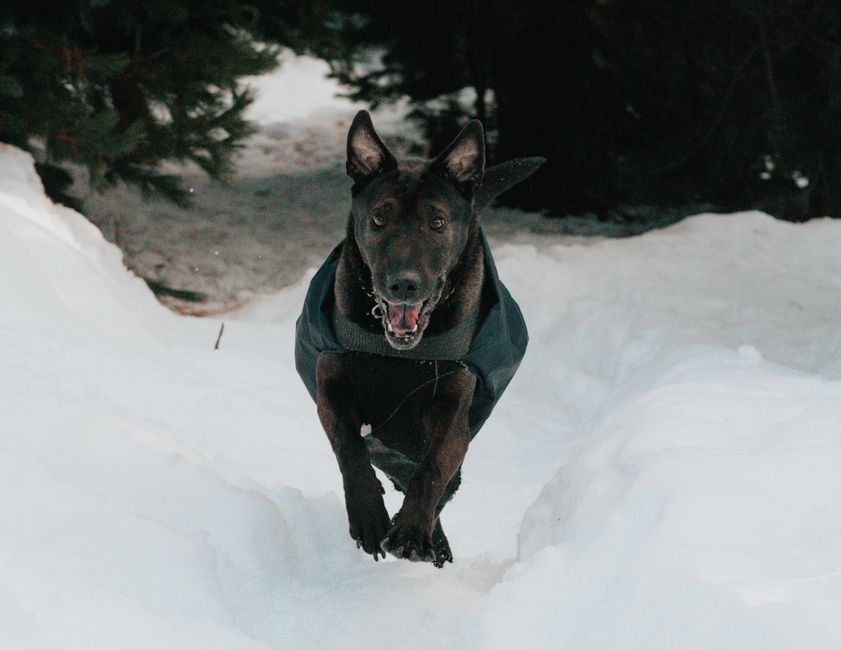
Understanding the Difference: Coat vs. Sweater
A winter coat typically features a waterproof TPU coating and tear-resistant nylon exterior, making it ideal for wet snow and slush. Sweaters, made from knit materials, provide insulation without weather protection. For dogs weighing 8-25 lbs, lightweight options around 200g offer comfort without bulk. Hooded dog raincoats with reflective stripes and leash holes combine protection with visibility during dark winter mornings and evenings.
The key distinction lies in functionality. Winter coats act as a barrier against moisture, wind, and precipitation, while sweaters work primarily through insulation. A quality winter coat will have sealed seams and water-resistant zippers to prevent moisture penetration. Sweaters, meanwhile, trap warm air close to your dog's body through dense knit construction. Understanding this difference helps you choose the right solution for your specific winter conditions.
Does My Dog Need a Winter Coat?
Whether your dog needs a winter coat depends on breed, age, and local climate. Short-haired and toy breeds are more susceptible to cold and require extra protection. Small dog breeds like Chihuahuas, Italian Greyhounds, and Whippets have minimal natural insulation and struggle in cold temperatures. Does my dog need a winter coat? Yes, if your pup has thin fur, is a senior, or lives where temperatures drop below 45°F regularly. Look for coats with reflective safety features to keep your dog visible during winter walks.
Research shows that approximately 68% of dog owners in cold climates use winter clothing for their pets, indicating widespread recognition of this need. Older dogs particularly benefit from winter protection because their metabolism slows with age, making them less able to regulate body temperature effectively. Dogs with health conditions, recently groomed coats, or those recovering from surgery also require additional warmth during winter months.
Finding the Best Winter Coat for Dogs Cold Weather
The best winter coat for dogs cold weather combines functionality with comfort. Choose materials that are both waterproof and breathable, with secure closures and proper sizing. Coats fitting dogs 8-25 lbs should weigh around 200g to avoid restricting movement. Safety features like reflective strips are essential for winter visibility. If your dog struggles with temperature regulation in summer, consider pairing winter protection with products like our dog cooling vest reflective summer jacket for hot walks for year-round comfort.
When selecting a winter coat, prioritize features that address your specific climate challenges. In wet, snowy regions, waterproof materials are non-negotiable. In dry but extremely cold climates, insulated coats with minimal water resistance may suffice. Look for coats with adjustable straps and closures to ensure a snug fit without restricting movement. The hood design should allow your dog to see and hear clearly, and ventilation areas prevent overheating during active play or indoor warm-up periods.
Comparing Winter Coat and Sweater Features
| Feature | Winter Coat | Sweater | Best For |
|---|---|---|---|
| Waterproof Protection | Yes (TPU coating) | No | Wet, snowy climates |
| Insulation Quality | Moderate | High | Dry, cold weather |
| Weight (typical) | Around 200g | 100-150g | Active dogs prefer lighter sweaters |
| Layering Potential | Works as outer layer | Works as inner layer | Extreme cold (use both) |
Breed-Specific Winter Protection Needs
Different dog breeds have vastly different cold-weather needs based on their natural coat type and size. Double-coated breeds like Golden Retrievers and Huskies have built-in insulation and rarely need protection unless temperatures drop below freezing for extended periods. Single-coated and hairless breeds like Poodles, Chinese Crested dogs, and Boxers require consistent winter protection. Toy breeds uniformly need winter gear, while giant breeds often cope well with cold due to their larger body mass and slower heat loss.
Your dog's individual tolerance also matters. Some dogs seem energized by cold weather while others become lethargic and anxious. Watch for signs of discomfort including shivering, reluctance to go outside, lifting paws frequently, or seeking shelter constantly. These behaviors indicate your dog would benefit from additional winter protection.
Care and Maintenance of Winter Wear
Proper care extends the life of your winter coats and sweaters while keeping them effective. After each snowy or wet walk, rinse the coat's exterior to remove salt and ice-melt chemicals that can damage materials and irritate your dog's skin. Allow coats to air dry completely before storing them. Sweaters should be washed according to fabric instructions, typically in cool water with gentle detergent. Store winter clothing in a dry location away from direct sunlight to prevent material degradation. Regularly inspect for loose seams, damaged zippers, or torn fabric to maintain protective qualities.
Frequently Asked Questions
Should I buy both a coat and sweater?
In extremely cold climates, layering a sweater under a waterproof coat provides maximum insulation and protection from moisture. This combination works best when temperatures consistently drop below 20°F or when your dog will be outside for extended periods.
What size winter coat does my dog need?
Measure your dog's back length and weight; most coats specify they fit dogs 8-25 lbs or similar weight ranges for proper fit. Ensure the coat covers your dog's back and sides without restricting leg movement or interfering with bathroom activities.
Are reflective features necessary?
Yes, reflective strips improve visibility during winter's shorter daylight hours, keeping your dog safer on walks. Winter commutes often occur in dim light conditions, making visibility critical for accident prevention.
How do I know if my dog is too cold?
Signs of cold discomfort include shivering, reluctance to go outside, lifting paws frequently, tucking the tail, and seeking warm shelter immediately. If you notice these behaviors, your dog likely needs additional winter protection or shorter outdoor sessions.
Can my dog wear a winter coat indoors?
No, remove winter coats and heavy sweaters indoors to prevent overheating and allow your dog's skin to breathe. Only dress your dog in winter gear immediately before heading outside and remove it once you're back inside.
Explore our complete pet apparel collection to find the perfect winter protection for your furry friend.
Related reading: How to Choose a Dog Raincoat: Stay Dry on Every Walk
Want more must-haves your dog & cat will love? Discover them all at Petopia Dreams (petopiadreams.com).
🛍 Shop the gear: Browse our Grooming & Care collection →
📖 Go deeper: Read our complete guide →