

Can Dogs Eat Frozen Treats? Safe Summer Alternatives
Yes, dogs can eat frozen treats, but only certain types are safe for your furry friend. Summer heat can be uncomfortable for pets, and frozen treats offer a refreshing solution. Let's explore which options are best for your dog's health.
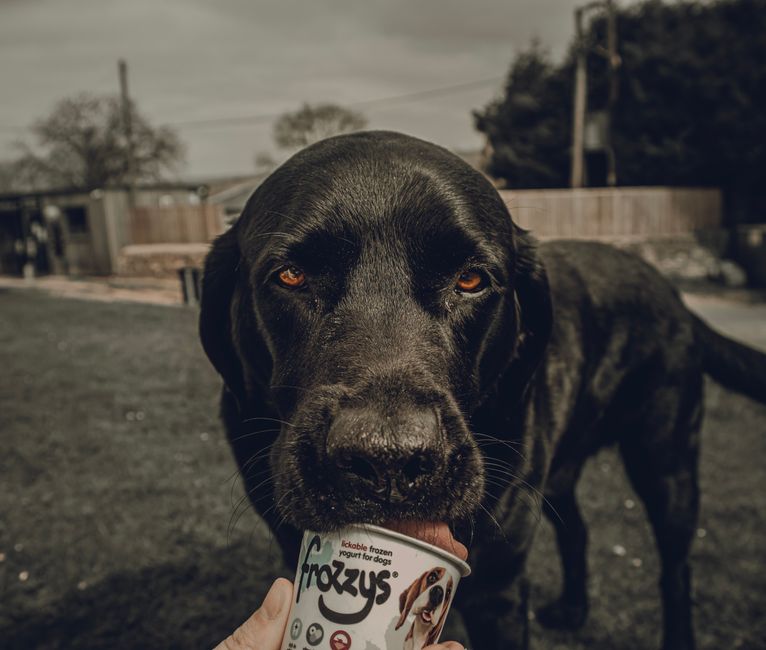
Best Safe Frozen Dog Treats for Summer
When considering safe frozen dog treats for summer, stick to dog-specific recipes or plain frozen fruits like blueberries and watermelon. Avoid chocolate, xylitol, and grapes entirely. Our Dog Cooling Mat Summer Heat Relief For Hot Pups pairs perfectly with frozen treats to keep your pup comfortable. This waterproof TPU coating mat is ideal for dogs 8-25 lbs and provides additional relief during hot days. The cooling gel technology activates when your dog lies on it, offering hours of comfort without electricity or refrigeration needed between uses.
Safety should always be your primary concern when selecting frozen treats. According to pet health studies, approximately 23% of pet owners unknowingly give their dogs toxic foods during summer months. Always read ingredient labels carefully and verify that products don't contain xylitol, an artificial sweetener that can be fatal to dogs in small quantities. Plain pumpkin puree, plain cooked chicken, and unsweetened applesauce are excellent safe alternatives that most dogs enjoy.
Homemade Frozen Dog Treat Recipes
Creating homemade frozen dog treat recipes at home is simple and cost-effective. Mix plain Greek yogurt with pumpkin puree, freeze in ice cube trays, and serve in moderation. This combination provides probiotics for digestive health while offering a satisfying texture dogs love. Another option involves blending bananas with coconut oil (small amounts only), pouring into silicone molds, and freezing overnight. These BPA-free recipes avoid harmful additives and give you complete control over ingredients.
For dogs with sensitive stomachs, consider frozen bone broth treats. Simply pour low-sodium, dog-safe bone broth into ice cube trays and freeze. This option provides additional joint support and collagen while keeping calories minimal. Sweet potato puree mixed with plain yogurt creates another nutritious option that supports immune function. Always consult your vet before introducing new foods, especially if your dog has existing health conditions or dietary restrictions.
Frozen Treat Comparison Guide
| Treat Type | Safety Level | Nutritional Benefit | Best For |
|---|---|---|---|
| Plain Ice Cubes | Safe | Hydration only | Quick cooling, minimal nutrition |
| Frozen Blueberries | Safe | Antioxidants, vitamins | Immune support, training rewards |
| Yogurt-Pumpkin Mix | Safe | Probiotics, fiber, vitamins | Digestive health, weight management |
| Commercial Xylitol Treats | Dangerous | None (toxic) | Avoid completely |
Hydration and Safety Tips
While frozen treats are refreshing, proper hydration remains essential during summer. Keep your dog's water bowl filled and portable by using a Portable Dog Water Bottle Leak Proof Travel Dispenser Bowl for on-the-go hydration. This 200g lightweight bottle prevents dehydration during outdoor activities and features a convenient fold-down bowl design that makes it perfect for park visits and hiking adventures. Offer frozen treats only occasionally—they shouldn't replace regular meals or fresh water intake.
Monitor your dog's behavior during hot months. Signs of overheating include excessive panting, drooling, lethargy, or reluctance to exercise. Frozen treats can help manage body temperature, but they work best alongside other cooling strategies like providing shade, limiting midday walks, and ensuring access to fresh water at all times. Never leave frozen treats in your dog's mouth for extended periods, as they can cause brain freeze or tooth sensitivity in sensitive dogs.
Portion Control and Storage Best Practices
Proper portion control ensures frozen treats enhance your dog's diet without contributing to weight gain. A single frozen treat should constitute no more than 10% of your dog's daily caloric intake. For a 50-pound dog consuming approximately 1,000 calories daily, this means limiting frozen treats to around 100 calories per day. Consider these treats as supplements to regular meals, not replacements.
Storage matters when preparing homemade frozen treats. Keep them in airtight containers in your freezer for up to three months, clearly labeled with preparation dates. Remove treats from the freezer 5-10 minutes before serving to prevent temperature shock to your dog's digestive system. Always supervise your dog while enjoying frozen treats, particularly larger pieces that could pose choking hazards.
Seasonal Summer Care Beyond Frozen Treats
While frozen treats provide relief, comprehensive summer care requires multiple approaches. Beyond treats and our summer-cooling collection, ensure your dog has access to shaded areas, maintains regular exercise during cooler morning and evening hours, and receives adequate grooming to remove excess fur. Consider professional grooming to thin your dog's coat appropriately for warm weather.
Protect your dog's paws from hot pavement by walking during cooler times or using protective booties. Monitor nose health, as some dogs experience dry noses during summer heat. Regular vet checkups during warmer months help identify heat-related health issues early. Keep emergency vet contact information accessible and recognize signs of heat exhaustion requiring immediate veterinary attention.
Frequently Asked Questions
Can dogs eat ice cubes?
Plain ice cubes are safe but offer minimal nutrition. Mix them with dog-safe broths or freeze fruit for added benefits. Some dogs with sensitive teeth may experience discomfort, so monitor your individual dog's response.
How often can I give my dog frozen treats?
Offer frozen treats 2-3 times weekly during summer, not daily, to maintain a balanced diet. This frequency provides cooling benefits without disrupting your dog's nutritional intake from regular meals.
Are commercial dog ice creams safe?
Yes, if specifically formulated for dogs and free from xylitol, chocolate, and artificial sweeteners. Always check ingredient labels and choose brands that prioritize dog nutrition and safety standards.
What should I do if my dog accidentally eats a toxic frozen treat?
Contact your veterinarian or pet poison control immediately. Provide information about the product and amount consumed. Xylitol toxicity requires urgent treatment to prevent liver damage and hypoglycemia.
Can senior dogs or puppies have frozen treats?
Puppies and senior dogs can enjoy frozen treats but require modifications. Avoid hard or large frozen items that could break teeth. Softer options like yogurt-based treats work better for very young or senior dogs with dental concerns.
Read next: Part of our complete Dog Summer Safety Guide. See also How to Keep Your Dog Cool in Summer: 7 Essential Tips and Signs of Heatstroke in Dogs and How to Prevent It.
Want more must-haves your dog & cat will love? Discover them all at Petopia Dreams (petopiadreams.com).
🛍 Shop the gear: Browse our Cooling & Summer collection →
📖 Go deeper: Read our complete guide →