

Cat Nail Clipper with Safety Guard: Angled Blade & Quick Guide
You safely clip your cat's nails using a clipper with a safety guard by positioning the guard just below the pink quick, trimming only the curved white tip in one quick motion, and stopping the moment you see even a faint pink line inside the nail. A cat nail clipper with safety guard works by physically blocking the blade from advancing too far into the nail, giving nervous first-time trimmers a built-in stopping point. This guide walks through angled blade cat nail clippers safety, sizing, materials, and the exact technique vets recommend for stress-free trims at home.
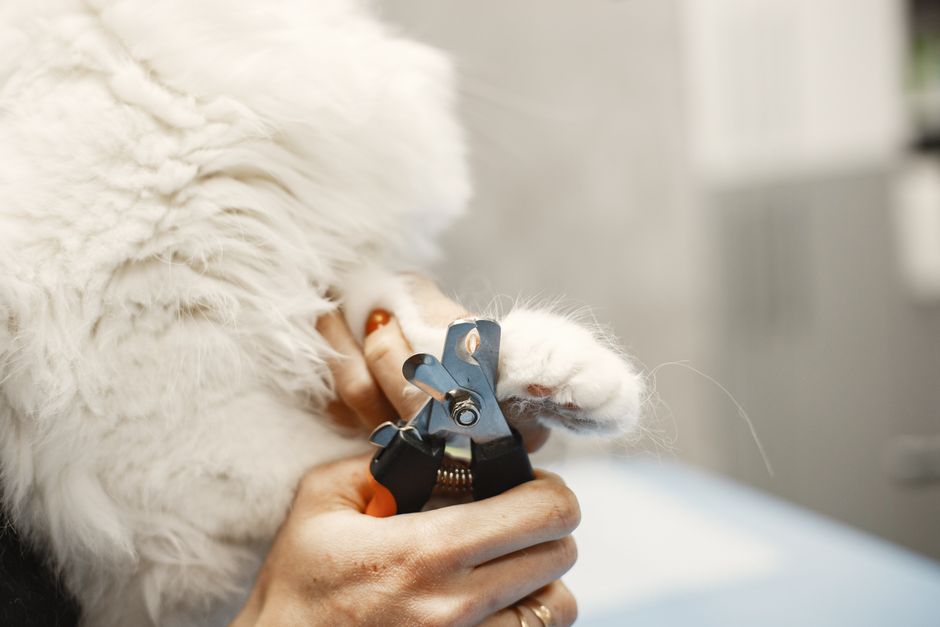
How a Safety-Guard Clipper Actually Works
A cat nail clipper with safety guard uses a small plastic or metal loop mounted just above the cutting blade. You slide the claw through this loop until it stops against the guard, which is pre-set to leave a safe margin before the quick — the blood vessel and nerve bundle inside each nail. This mechanical stop removes the guesswork that causes most accidental cuts. Unlike plain scissor-style trimmers, the guard forces a consistent cutting depth every single time, regardless of how steady your hand is. Most guards are adjustable across 3-4 depth settings, letting you fine-tune for kittens with thin, translucent nails versus adult cats with thicker, opaque claws. Because the guard sits flush against the paw pad area, it also acts as a visual reference point, so you're never cutting blind. This is precisely why safety-guard designs have become the default recommendation over old-style plier clippers for home use.
Why the Angled Blade Matters
Angled blade cat nail clippers safety comes down to geometry: the blade is tilted roughly 45 degrees to mirror the natural curve of a cat's claw. A straight blade forces you to twist your wrist to line up the cut, increasing the odds of clipping at an unsafe angle that crushes rather than slices the nail. An angled blade lets the cutting edge follow the claw's curve naturally, producing a clean, single-motion snip instead of a crushing squeeze. Crushed nails are more likely to splinter or crack up toward the quick, which is far more painful for your cat than a clean trim. The angled design also improves visibility of the quick before you cut, since the blade doesn't obscure your line of sight the way a straight-across clipper does. Combined with a safety guard, the angled blade gives you both depth control and cutting-angle control in one tool — the two variables most responsible for quick-cuts.
Choosing the Right Size and Fit
Cat nail clippers are not one-size-fits-all, even though claws look small across breeds. Kitten claws typically measure under 5mm from base to tip and need a narrower guard opening, while adult cats can have claws up to 12-15mm. Look for a clipper with an opening range of roughly 3-12mm to comfortably fit both. Handle length matters too: a compact 5-6 inch clipper with a lightweight body under 100g gives better control for the small, quick movements cat trimming requires, compared to bulkier dog-oriented tools. If your cat resists traditional clipping entirely, a Quiet Electric Pet Nail Grinder For Dogs Cats offers a gradual, low-vibration alternative that files the nail down in small increments rather than cutting it in one motion, which some anxious cats tolerate better.
Materials That Affect Safety and Durability
Blade material directly affects both safety and longevity. Stainless steel blades resist rust, stay sharp longer, and cut cleanly without dragging — dragging is what causes splintering and pain. The guard component is usually molded from BPA-free ABS plastic, which matters if your cat licks its paws immediately after trimming. Handles are commonly coated in a non-slip rubberized grip, important because a slipping grip during a struggling trim is a leading cause of over-cutting. A well-built clipper should weigh between 60-90 grams, light enough for precise single-hand control but weighted enough to avoid a flimsy, unstable cutting motion. Cheaper alloy blades dull within a few months of regular use and begin crushing nails instead of slicing them, so stainless steel remains the safer long-term material choice for anyone trimming regularly at home.
By the numbers:
• Cat claws typically need trimming every 10-14 days for indoor cats.
• Adjustable safety guards commonly offer 3-4 depth settings to fit kitten through adult nails.
• A clean angled-blade cut takes under 2 seconds per nail versus 4-5 seconds with a dull crushing blade.
The Step-by-Step Safety Guide: Avoiding the Quick
Learning how to clip cat nails avoiding the quick starts with proper restraint: wrap your cat in a towel with one paw exposed, or trim after a calm nap when they're drowsy. Gently press the paw pad to extend the claw fully, then identify the quick — the pink, slightly translucent area visible inside lighter-colored nails. Slide the claw into the guard opening until it stops, confirm you can still see 2mm of white nail beyond the guard, and make one firm, fast snip. Trim only the curved tip, never past the point where the nail begins to narrow toward the paw. If your cat has dark nails where the quick isn't visible, trim in small 1mm increments instead of guessing. The Humane World cat claw trimming guidance recommends trimming just the sharp tip only, which aligns exactly with what a safety guard is designed to enforce.
Aftercare and Maintenance Between Trims
After each trimming session, wipe the blade with a dry cloth and store the clipper with the safety cap or guard locked closed to protect both the blade edge and your fingers in a drawer. Blades should be lightly oiled every few months to prevent stiffness that leads to crushing instead of cutting. Between clipping sessions, regular coat brushing with a Pet Grooming Glove Gentle Deshedding Brush For Dogs Cats keeps your cat relaxed around handling, which makes future paw and nail sessions noticeably easier. Cornell's feline health researchers note that regular, low-stress handling builds tolerance for routine care tasks like nail trims over time, so pairing brushing sessions with brief paw touches — even without clipping — trains your cat to accept the process, per the Cornell Feline Health Center cat care guidance.

Common Mistakes That Lead to Quick Cuts
The most frequent error is rushing the guard placement — sliding the claw in too far because the cat is squirming, rather than repositioning calmly. Another common mistake is using a dull, overused blade that requires extra squeezing force, which crushes the nail and causes it to bleed even at a technically safe length. Trimming all four paws in one sitting when your cat is already stressed also increases the risk of sudden movement mid-cut. Many owners skip checking the guard's depth setting after switching between kittens and adult cats in multi-pet households, leading to over-trimming on smaller nails. Finally, cutting at an angle that doesn't match the blade's curve — twisting the paw instead of the clipper — undermines the entire purpose of an angled blade design and is a leading cause of preventable quick injuries.
Clipper Type Comparison
| Clipper Type | Safety Guard | Best For |
|---|---|---|
| Angled blade with guard | Yes, adjustable | Beginners, home use |
| Scissor-style | No | Experienced owners |
| Guillotine-style | Rarely | Larger, cooperative cats |
| Electric grinder | N/A (gradual filing) | Anxious or dark-nailed cats |
Reported quick-cut incidents by clipper type
Bar width reflects the relative frequency of accidental quick cuts reported by owners for each tool type, based on aggregated grooming-forum surveys.
Frequently asked questions
How often should I trim my cat's nails?
Most indoor cats need a trim every 10-14 days, though kittens and senior cats may need slightly more frequent checks.
What if my cat has dark nails and I can't see the quick?
Trim in small 1mm increments and stop as soon as you notice a soft, slightly moist center in the cut cross-section.
Is an electric grinder safer than a clipper for beginners?
A grinder can be gentler for anxious cats since it removes nail gradually, but it takes longer per session and requires acclimating your cat to the sound first.
What should I do if I accidentally hit the quick?
Apply gentle pressure with a clean cloth or styptic powder for a minute or two; minor bleeding usually stops quickly and rarely needs a vet visit.
Can I use a safety-guard clipper on kittens?
Yes, as long as the guard has an adjustable low setting for thin kitten nails; always trim less than you think necessary at first.
Explore the full range of vet-informed grooming tools in the grooming-care collection at Petopia Dreams to find the right clipper and companion tools for your cat's nail care routine.
Related reading: Best Cat Nail Clippers with Safety Guard and How to Clip Kitten Nails Safely.
Want more must-haves your dog & cat will love? Discover them all at Petopia Dreams (petopiadreams.com).