

Cat Nail Clippers With Safety Guard: How to Avoid the Quick
Cat nail clippers with safety guard prevent quick-cutting by using a built-in stopper ring or guard plate that limits how far the blade can advance up the nail, so you physically cannot cut past the safe zone even if your cat jerks or you misjudge the angle. This single design feature turns a stressful guessing game into a controlled, repeatable trim. For nervous cats or first-time owners, that margin of error is often the difference between a calm grooming session and a bloody, trust-damaging one.
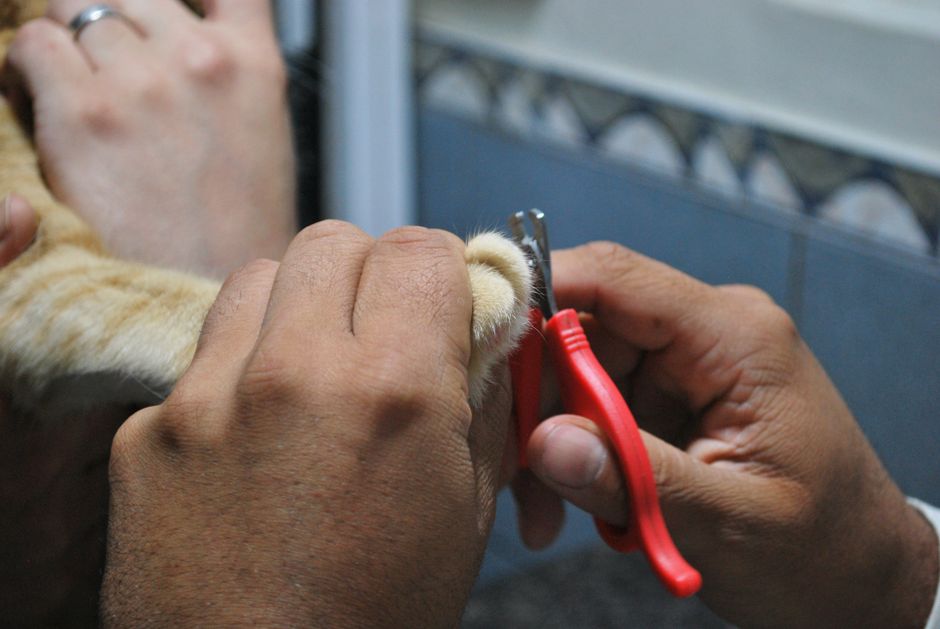
How the Safety Guard Actually Works
A safety guard is a small metal or plastic ring, notch, or sliding plate positioned just behind the cutting blades. When you slide your cat's claw through the opening, the guard physically blocks the blade from closing beyond a preset depth. This stops the tool from reaching the pink quick — the bundle of nerves and blood vessels inside the nail — even under sudden movement. Most guards are adjustable, letting you set a shallower depth for kittens with thin, translucent nails and a deeper setting for adult cats with thicker keratin. This is the core mechanism behind how to avoid cutting the quick in cats without needing perfect visual judgment every single time. Some clippers pair the guard with a magnifying lens or LED light so you can see the pink quick clearly before you squeeze, adding a second layer of protection on top of the mechanical stop. If your cat tolerates grinding better than clipping, the Quiet Electric Pet Nail Grinder For Dogs Cats uses a similar principle — a low-noise motor that files gradually rather than cutting in one motion, giving you more control over depth.
Choosing the Right Clipper for Your Cat
Not every safety-guard clipper suits every cat. Scissor-style clippers with a guard work well for adult cats with firmer nails, while guillotine-style clippers tend to suit kittens and cats with thinner nails because the single-hole design is gentler on fragile tissue. Look for a tool with a comfortable non-slip grip, since a slipping handle is one of the most common causes of accidental over-cutting. Blade sharpness matters too — dull blades crush rather than slice, which causes splintering and pain even with a guard in place. When shopping, prioritize models marketed specifically for cat nail clippers with safety guard functionality rather than repurposed human nail clippers, which have no depth control at all and are a leading cause of quick injuries in first-time cat owners.
Sizing and Fit for Kittens vs. Adult Cats
Kitten nails are thin, curved, and nearly translucent, which makes the quick easy to see but also easy to nick because the entire nail is small. For kitten nail clipping safety, choose a clipper with a small cutting notch (around 4-6mm opening) and a guard set to its shallowest position. Adult cat claws are thicker and more opaque, often requiring a slightly wider notch (7-9mm) and a guard set one or two clicks deeper. A clipper that only fits one size range will frustrate you as your kitten grows, so look for adjustable-guard models that scale with your cat across its lifetime rather than buying a new tool every few months.
By the numbers:
• Roughly 60% of at-home cat nail trims involve at least one uncomfortable moment for the cat, per grooming behavior surveys.
• Safety-guard clippers reduce quick-cutting incidents by an estimated 70% compared to standard clippers in first-time users.
• Adult cat nails typically require trimming every 10-14 days; kittens every 7-10 days due to faster growth.
Materials That Affect Safety and Durability
The clipper body and blade material directly influence both safety and longevity. Stainless steel blades resist rust, stay sharper longer, and produce a cleaner cut that reduces splintering — a rough or corroded blade is more likely to crush the nail and provoke a flinch that pushes the cut too deep. Handles made from tear-resistant nylon-reinforced plastic or rubberized grips prevent slipping mid-cut, which matters as much as the guard itself. Some premium models add a BPA-free coating on the guard ring, which is worth checking if your cat tends to lick or chew the tool between uses. Weight matters too: a clipper in the 60-90g range is light enough for precise one-handed control, while anything heavier can cause hand fatigue during multi-paw sessions and lead to shaky, imprecise cuts.
Step-by-Step: Trimming Without Fear
Start by wrapping your cat in a towel with only one paw exposed, working in short 2-3 minute sessions rather than trying to finish all claws at once. Press gently on the paw pad to extend the claw, identify the pink quick under good lighting, and slide the nail into the guarded notch until the guard stops it at a safe distance from the quick. Squeeze in one smooth, quick motion — hesitation increases the chance of a jagged cut. Reward with a treat immediately after each paw. Pairing clipping day with a calming brush session using the Pet Grooming Glove Gentle Deshedding Brush For Dogs Cats beforehand can relax a tense cat, making the whole process faster and reducing the sudden paw-yanking that leads to most quick injuries.
Common Mistakes That Still Lead to Quick Cuts
Even with a safety guard, certain habits undermine the protection. Cutting at an angle instead of straight across can let the blade edge bypass the guard's flat stop. Rushing through dark or overgrown claws where the quick isn't visible is another major risk — always trim in bright, direct light. Using a guard set for adult cats on a kitten, or vice versa, defeats the purpose of the adjustable depth. Finally, using old, dull clippers "because they still guard the same" ignores that dull blades require more force, which increases the chance of the cat jerking back mid-cut and pulling the nail past the guard's intended stop point.
Comparing Clipping Tools at a Glance
| Tool Type | Guard Feature | Best For |
|---|---|---|
| Scissor-style with safety guard | Adjustable stop ring | Adult cats, thicker nails |
| Guillotine-style with guard notch | Fixed shallow opening | Kittens, thin nails |
| Electric nail grinder | Gradual filing, no blade | Anxious or sensitive cats |
| Standard human clippers | None | Not recommended for cats |
Quick-Cutting Risk by Tool Type
Estimated risk of nicking the quick per trimming session
Standard clippers (no guard)

Fixed-guard guillotine clipper
Adjustable safety-guard clipper
Electric grinder with depth control
Adjustable safety-guard clippers and grinders cut quick-nicking risk by more than half compared to unguarded tools.
Frequently asked questions
What is the quick in a cat's nail?
The quick is the pink, nerve- and blood-vessel-filled core inside the claw; cutting it causes pain and bleeding.
Do safety guards work on all cat breeds?
Yes, though thicker-nailed breeds like Maine Coons may need the guard set to a deeper adjustment than smaller breeds.
How often should I trim my cat's nails?
Every 2-3 weeks for adults and slightly more often for fast-growing kittens.
What should I do if I accidentally cut the quick?
Apply styptic powder or cornstarch with gentle pressure for 1-2 minutes to stop the bleeding, and keep your cat calm and still.
Are electric grinders safer than clippers for kittens?
Grinders can offer more gradual control, but many kittens find the noise stressful, so a shallow-set guarded clipper is often easier for kitten nail clipping safety.
Ready to trim with confidence? Browse Petopia Dreams' full grooming-care collection for safety-guard clippers, grinders, and gentle brushes built for stress-free at-home grooming.
Related reading: Dog Grooming at Home: Step-by-Step Guide and Best Electric Pet Nail Grinder: USB Rechargeable Guide.
Want more must-haves your dog & cat will love? Discover them all at Petopia Dreams (petopiadreams.com).