

Best Ceramic Slow Feeder Bowls for Dogs & Cats?
Ceramic slow feeder bowls with maze designs prevent gulping, bloating, and digestive issues by forcing your dog or cat to eat slowly and mindfully. These innovative feeders are essential for pets prone to rapid eating, which can lead to serious health complications. Discover how they work and why pet owners everywhere are making the switch.
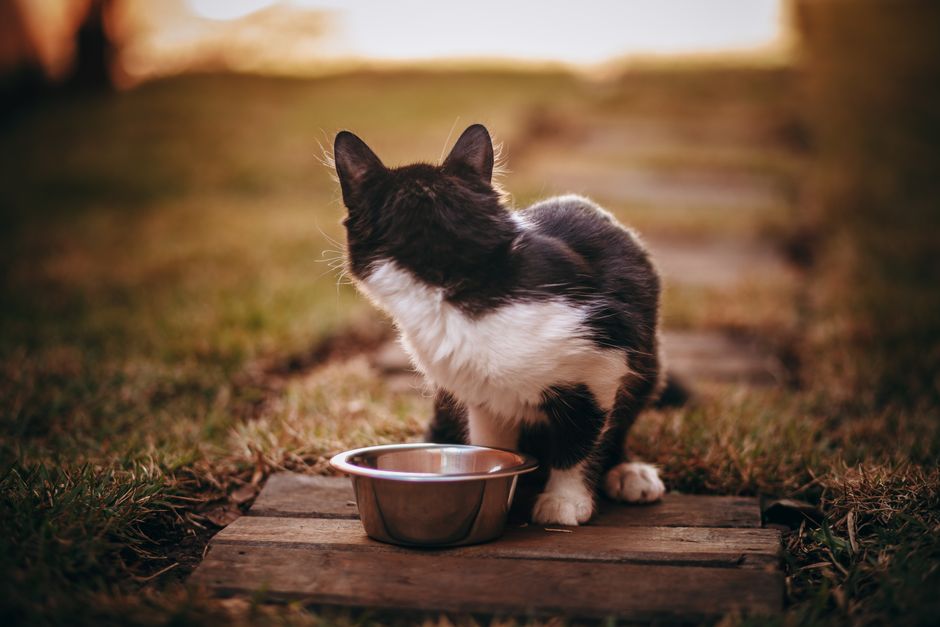
How Maze Design Prevents Dangerous Eating Habits
The ceramic slow feeder bowl dogs feature elevated ridges and winding pathways that naturally slow consumption. Unlike flat bowls, these designs require pets to navigate around obstacles, reducing intake speed by up to 10 times. This prevents bloat, regurgitation, and choking while improving nutrient absorption. The anti-gulp maze pet bowl is particularly effective for competitive eaters and large breed dogs weighing 8-25 lbs who tend to inhale their food without chewing.
Rapid eating, also known as polyphagia, affects approximately 15-20% of dogs and can develop into life-threatening gastric dilatation-volvulus (bloat) if left unaddressed. Studies have shown that slow feeding reduces the risk of bloat-related emergencies by up to 80%, making these ceramic bowls a critical investment in preventative pet health. The maze pattern forces your pet to use their natural foraging instincts, transforming mealtime into a mentally stimulating activity rather than a race.
Premium Material and Safety Benefits
Quality ceramic slow feeder bowls are crafted from food-grade ceramic with a BPA-free glaze, ensuring no harmful chemicals leach into your pet's meals. The durable, chip-resistant surface withstands daily use and dishwasher cleaning. Most premium options weigh approximately 200g, making them stable and lightweight enough for any household. The waterproof, non-porous material prevents bacterial growth and odor absorption, keeping meals fresher longer.
Unlike plastic feeders that can harbor bacteria and develop scratches where pathogens hide, ceramic bowls maintain their integrity for years. The smooth, glazed surface resists staining from wet food and prevents discoloration. This makes ceramic an environmentally friendly choice as well—durable enough to last your pet's entire lifetime without needing replacement, unlike disposable or lower-quality alternatives.
Ideal for Both Dogs and Cats
While designed primarily for dogs, the best slow eating bowl cats also benefit from maze feeders. Cats with sensitive digestion or those recovering from surgery appreciate the controlled feeding pace. The ceramic slow feeder bowl for dogs and cats accommodates multiple pet households, offering a one-solution approach. Felines particularly enjoy the enrichment aspect, as the puzzle-like design stimulates natural foraging instincts.
Cats are obligate carnivores with sensitive digestive systems, and many develop vomiting or regurgitation from eating too quickly. Senior cats and those with dental issues also benefit from the reduced portion control that maze bowls naturally encourage. Multi-pet households find these bowls especially valuable for managing portion sizes and preventing dominant pets from consuming more than their share. The design works equally well for both species, though you may want to keep separate bowls if your cats and dogs have different dietary needs.
Comparing Slow Feeder Bowl Materials and Features
| Material Type | Durability | Safety Rating | Best For |
|---|---|---|---|
| Food-Grade Ceramic | 10+ years | Highest (BPA-free) | All ages, all breeds |
| Stainless Steel | 8-12 years | High (no coating) | Heavy chewers, aggressive eaters |
| Plastic | 2-4 years | Medium (risk of chemicals) | Budget-conscious buyers |
| Melamine | 3-5 years | Lower (can degrade) | Temporary or travel use only |
Health Benefits Beyond Slow Eating
The psychological benefits of slow feeding extend far beyond digestion. Pets using maze bowls experience reduced anxiety during meals because the activity length increases, providing a calming ritual. This is particularly helpful for rescue animals or those with food-related stress. The mental stimulation from working through the maze activates problem-solving abilities, keeping senior pets cognitively engaged and potentially slowing age-related cognitive decline.
Weight management becomes easier when using slow feeder bowls, as pets feel fuller faster with smaller quantities. The extended eating time allows satiety hormones to properly signal the brain, reducing overall calorie consumption by 15-25%. For overweight dogs and cats, this can be the difference between managing weight through diet alone versus requiring medication or more restrictive feeding protocols. Pet owners report that slow feeders also reduce post-meal energy spikes and hyperactivity.
Choosing the Right Slow Feeder for Your Pet
When selecting a ceramic slow feeder bowl, consider your pet's size, eating speed, and any existing health conditions. Large breed dogs need proportionally larger bowls with deeper maze pathways, while small breeds and cats do better with compact designs. Check the maze complexity—some have gentle ridges suitable for older pets, while others feature challenging patterns for aggressive eaters. The bowl's weight distribution is crucial; heavier ceramic bowls prevent sliding across floors during enthusiastic meals.
Explore our complete feeding bowls collection to find the perfect slow feeder for your pet. We carry options suitable for every pet size and eating style. Consider your home's aesthetic as well—ceramic bowls come in numerous colors and designs that complement modern and traditional décor.
Frequently Asked Questions
Are ceramic bowls safe for pets?
Yes, food-grade ceramic with BPA-free glazes is completely safe and non-toxic for all pets. The material doesn't leach chemicals and resists bacterial growth better than plastic alternatives.
How often should I clean the maze bowl?
Daily washing is recommended to prevent food buildup in crevices and maintain hygiene. Most ceramic slow feeders are dishwasher-safe for convenient cleaning.
Can kittens use slow feeder bowls?
Kittens can use them, but adult-sized bowls work best for cats 1 year and older. Younger kittens may need smaller, less complex bowls to prevent frustration during feeding.
How much slower will my pet eat?
Most pets eating from maze bowls consume meals 8-10 times slower than from flat bowls, transforming a 5-minute meal into a 30-45 minute activity that provides mental enrichment and better digestion.
Will my pet get frustrated with the maze design?
Most pets quickly adapt to and enjoy the challenge within 2-3 meals. The enrichment aspect is actually beneficial, and many owners report their pets seem more satisfied after meals using slow feeders compared to traditional bowls.
Related reading: How to Keep Your Dog Cool in Summer: 7 Essential Tips
Read next: Part of our complete Cat Enrichment & Play Guide. See also Slow Feeder Dog Bowls: Benefits, How They Work, and Who Needs One and How to Keep Indoor Cats Entertained: 7 Ways to Prevent Boredom.
Want more must-haves your dog & cat will love? Discover them all at Petopia Dreams (petopiadreams.com).
🛍 Shop the gear: Browse our Feeding & Water collection →