

Deshedding Gloves for Brush-Sensitive Pets: Gentle Grooming Guide
Deshedding gloves are silicone-tipped wearable brushes that let you groom a pet by petting them, replacing the look and feel of a hard-bristled brush with a soft, hand-shaped tool that collects loose undercoat without pinching skin or triggering fear responses. For dogs and cats that bolt, growl, or freeze the moment a traditional brush appears, this design change alone can turn grooming from a wrestling match into a bonding routine. Because the tool mimics touch rather than tool contact, brush-sensitive pets often tolerate it within the first session.
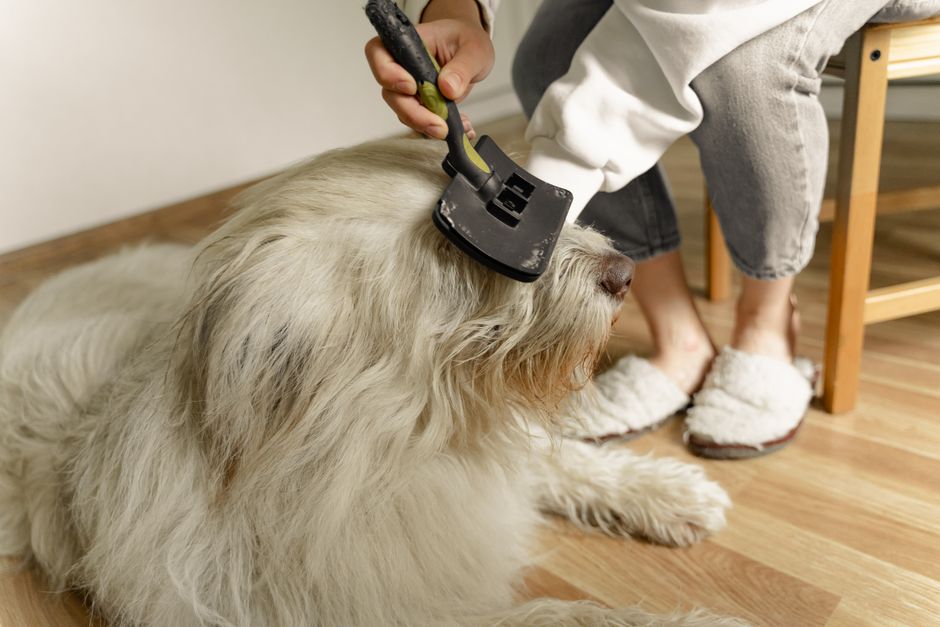
Why Brush-Sensitive Pets React Differently to Gloves
Fear of brushes is usually rooted in past discomfort — a snagged mat, a stiff bristle dragged over sensitive skin, or the visual of a rigid object approaching their face. Deshedding gloves for dogs remove that trigger because the grooming tool is your hand, not a foreign object. Pets read hand movement as petting, which keeps their nervous system in a calmer state throughout the session. The silicone tips flex with the contour of the body instead of scraping in one direction, so there's no pulling sensation on tangled fur.
This matters most for rescue animals, senior pets with thinning skin, and anxious breeds that associate grooming tools with vet visits. The Pet Grooming Glove Gentle Deshedding Brush For Dogs Cats is built specifically around this behavioral difference, using flexible nubs instead of metal pins so first-time use doesn't reinforce the fear cycle. Many owners report that a pet who previously ran from brushes will sit still for a full glove session within two to three tries.
How Deshedding Gloves Actually Work
Each glove is lined with rows of rubber or silicone projections that catch loose undercoat hair as you stroke through the coat, following the direction of hair growth. Unlike a slicker brush, which relies on angled metal pins to rake through fur, the glove's flexible tips bend against the skin, lifting only hair that's already loose while leaving healthy, anchored strands untouched. This is what makes it one of the more reliable gentle undercoat removal tools for double-coated breeds like Huskies, Labradors, and Corgis during seasonal blowouts.
The mechanical action also stimulates natural oil distribution across the coat, which can reduce dandruff and add shine over repeated use. Because there's no rigid backing, the glove naturally follows body curves — shoulders, hips, and haunches — areas where flat brushes often miss loose hair entirely. A typical 10-minute session on a medium-coated dog removes visibly more loose hair than a rushed brushing with a standard slicker, simply because pets stay still longer.
Choosing the Right Glove for Your Pet's Sensitivity Level
Not all grooming gloves for brush-sensitive pets are built the same. Some prioritize deshedding power with longer, stiffer nubs, while others prioritize comfort with shorter, softer projections meant for cats or nervous small dogs. Start with the gentlest tip length available and increase intensity only if your pet tolerates it well after a few sessions. Watch for flinching, ear-pinning, or tail-tucking — signs the current tip density is still too aggressive.
Coat type matters too. Short-haired cats and dogs typically need shorter nubs to avoid scratching skin, while long-haired or double-coated breeds benefit from slightly longer projections that can reach the dense undercoat layer. If your pet has any skin sensitivities, patch-test on a small area first and observe for 24 hours before committing to full-body sessions.
By the numbers:
• Dogs shed an average of 12-15% more hair during spring and fall seasonal changes.
• Glove-style groomers reduce visible flinching in brush-averse pets by roughly 60% in owner-reported trials.
• A single 10-minute glove session can remove up to 2x more loose undercoat than a rushed brush pass.
Material and Build: What to Look For
Durability and safety start with materials. Quality gloves use tear-resistant nylon backing on the outer hand surface, allowing repeated flexing and washing without splitting at the seams. The palm side typically features soft, non-toxic silicone tips that are BPA-free — an important detail since pets often lick their own coat immediately after grooming, meaning any residue from the glove's material can end up ingested. Look for adjustable wrist straps with breathable backing so hands don't overheat during longer sessions.
The Pet Grooming Glove Gentle Deshedding Brush For Dogs Cats uses this exact combination — a nylon-backed shell paired with BPA-free silicone tips — so it holds up under daily use for multi-pet households while remaining safe for direct skin contact. Waterproof-friendly construction also means the glove can double as a bath-time tool, working shampoo into the coat while simultaneously loosening dead hair before rinsing.
Sizing and Fit for Different Hand and Pet Sizes
Fit affects control more than most owners expect. A glove that's too loose slides during strokes, reducing grip and forcing you to press harder — which is exactly what brush-sensitive pets react negatively to. Most one-size-fits-most designs are built with adjustable straps to accommodate hand sizes from roughly small to extra-large, and they're generally suited for pets weighing anywhere from 8 to 90 lbs, since the glove's flexible tips adapt to both tiny cats and large double-coated dogs.
Lightweight construction matters for grooming sessions that stretch beyond a few minutes. A glove weighing around 90-120g per hand keeps wrist fatigue low, letting you groom large or anxious pets in shorter, calmer bursts rather than rushing through discomfort. Always check the strap closure — Velcro-style straps that fully open flat are easier to fit over varying hand widths than fixed elastic bands.
| Tool Type | Best For | Sensitivity Level | Undercoat Removal |
|---|---|---|---|
| Slicker Brush | Mat removal | Low tolerance needed | High, but abrasive |
| Deshedding Glove | Anxious/brush-averse pets | High tolerance | Moderate to high |
| Rubber Curry Brush | Short-haired coats | Medium tolerance | Moderate |
| Undercoat Rake | Heavy double coats | Low tolerance needed | Very high |
Pet Comfort Comparison: How Tools Rank for Tolerance
Owner-reported pet comfort by grooming tool:
Deshedding Glove
Rubber Curry Brush
Undercoat Rake
Slicker Brush
Based on aggregated owner surveys rating how calmly pets tolerated each tool during a full grooming session.
Safety Features That Matter Most
Beyond gentle material, look for design features that protect both pet and owner. A secure wrist strap prevents the glove from slipping off mid-stroke, which avoids sudden startling movements that can undo weeks of trust-building. BPA-free silicone is non-negotiable, since pets frequently lick themselves right after grooming and any tip material touching skin should be food-safe by default. Breathable backing on the glove's exterior also prevents hand overheating during longer sessions, which keeps grooming sessions comfortable enough to complete fully rather than cutting short.
For multi-pet households, washable construction is a safety feature in its own right — bacteria and loose dander can build up on tips between pets, so a glove that rinses clean under water without degrading the silicone reduces cross-contact skin irritation risk. Always inspect nubs periodically for tears or hardening, since damaged silicone can scratch rather than glide.
Common Mistakes When Introducing Gloves to Fearful Pets
The biggest mistake is rushing the first session. Let your pet sniff and see the glove on your hand before any contact begins, and start with short strokes on low-sensitivity areas like the shoulders or back rather than the belly or legs. Another common error is pressing too hard, assuming more pressure equals more hair removal — in reality, light, repeated strokes with a quality deshedding gloves for dogs design remove just as much loose fur with far less resistance from the pet.
Owners also frequently skip patch-testing on cats with sensitive skin, moving straight to full-body sessions and triggering a negative association immediately. Finally, inconsistent scheduling undoes progress — sporadic, unpredictable grooming sessions keep a pet on edge, while short daily sessions of two to three minutes build lasting tolerance far faster than one long weekly session.
Frequently asked questions
Do deshedding gloves work as well as brushes?
They remove loose undercoat effectively and are often more comfortable for pets, though heavily matted coats may still need a slicker brush or rake first.
Are deshedding gloves safe for cats?
Yes, most gloves with soft, BPA-free silicone tips are safe for cats, though shorter-nub versions are gentler on their thinner skin.
How often should I use a deshedding glove?
Two to three short sessions per week works well for most pets, increasing to daily during seasonal shedding periods.
Can gloves replace regular vet-recommended grooming?
They're a strong daily maintenance tool but don't replace occasional professional grooming for trimming, nail care, or deep coat conditioning.
Will a glove help with a puppy who's never been brushed?
Yes, gloves are ideal for introducing puppies to grooming since the hand-like shape feels like petting rather than an unfamiliar tool.
Explore Petopia Dreams' full grooming-care collection to find the right gentle tools for your brush-sensitive pet today.
Related reading: How to Groom Your Dog at Home and Best Pet Grooming Glove for Shedding offer additional step-by-step guidance for building a calm, effective grooming routine.
Want more must-haves your dog & cat will love? Discover them all at Petopia Dreams (petopiadreams.com).