

Deshedding Gloves vs Brushes: Which Works for Sensitive Dogs?
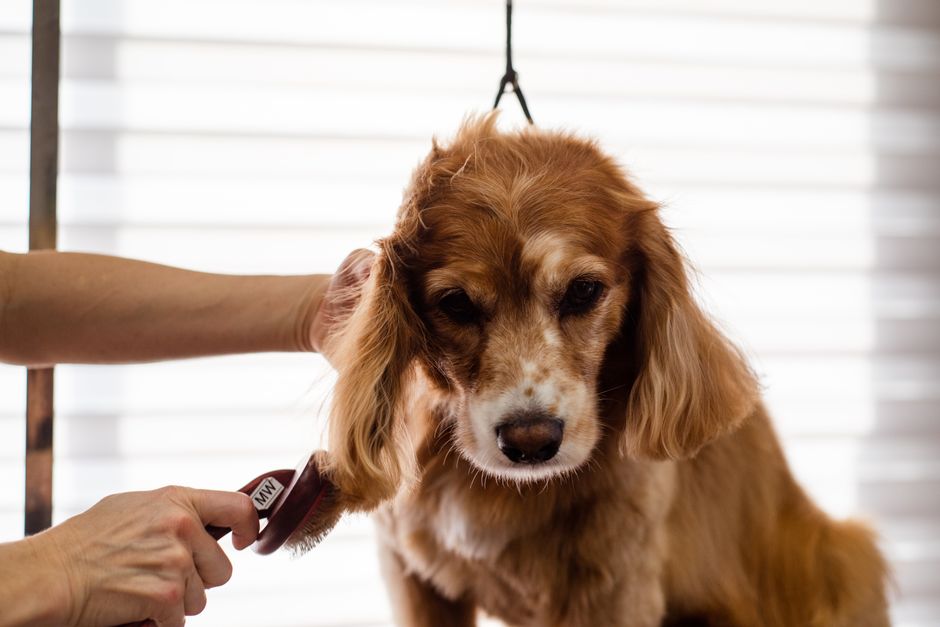
Yes, deshedding gloves are generally better than brushes for sensitive dogs and cats because the gentle rubber nubs mimic petting instead of the pulling sensation of metal bristles, making the experience feel like affection rather than a chore. Pets that flinch, growl, or run at the sight of a slicker brush often tolerate gloves calmly because the motion is familiar and the pressure is spread across the whole hand instead of concentrated on sharp pins. This matters most for anxious rescues, senior pets with thin skin, and puppies just learning that grooming isn't scary.
How Deshedding Gloves Actually Work
A grooming glove uses dozens of short, flexible silicone or rubber tips embedded in a fabric palm. As you stroke the pet's coat, the tips catch loose undercoat hair and dead fur without digging into the skin the way metal teeth can. This is the core idea behind gentle undercoat removal gloves: they lift shedding hair during a motion the animal already associates with a hand rub, so the nervous system doesn't register it as a threat. The Pet Grooming Glove Gentle Deshedding Brush For Dogs Cats uses this exact tip design, letting owners groom while cuddling on the couch instead of wrestling on a grooming table. Traditional brushes rely on rigid pins that need precise angling to avoid scratching, which is why cats and thin-coated breeds tend to protest much sooner.
Deshedding Gloves for Brush-Sensitive Pets: Why the Difference Matters
Owners searching for deshedding gloves for brush-sensitive pets are usually dealing with a specific problem: their dog or cat has had a bad grooming experience, has matted fur that pulls painfully when brushed, or simply has skin so reactive that any hard bristle causes flinching. Gloves solve this by distributing pressure across five fingers instead of one small brush head, so there's no single point that can snag or scrape. This is especially helpful for pets recovering from skin conditions, post-surgical areas, or dogs with anxiety-driven aggression toward grooming tools. Because the glove looks and feels like a hand, most pets never build the negative association that makes brushing sessions a battle in the first place.
Grooming Gloves vs Brush for Dogs That Hate Brushing: A Side-by-Side Look
| Feature | Deshedding Glove | Slicker Brush |
|---|---|---|
| Pet tolerance | High - feels like petting | Low - feels like a tool |
| Skin risk | Minimal, rounded tips | Higher if pressed hard |
| Deep undercoat removal | Good for surface/loose hair | Better for dense mats |
| Learning curve | None | Requires correct angle |
When comparing grooming gloves vs brush for dogs that hate brushing, the glove wins on comfort and ease, while the brush still has a role for heavily matted, long-haired coats that need firmer detangling.
Choosing the Right Size and Fit
Fit affects control more than most owners expect. A glove that's too loose slides around and loses grip pressure, while one too tight restricts finger movement and tires your hand quickly during longer sessions. Most gloves are designed as one-size-fits-most, stretching to accommodate hand sizes from petite to large, and the design works equally well whether you're grooming a 5 lb chihuahua or an 80 lb retriever, since the fit adjustment happens at your wrist, not the pet's body. Look for an adjustable wrist strap that keeps the glove secure during vigorous strokes on wriggly pets. Unlike brushes that come in different head sizes for different breeds, gloves scale naturally because the grooming surface is your entire palm, making one product genuinely versatile across multiple pets in the same household.
Materials That Matter for Comfort and Durability
Material choice determines both how gentle the tool feels and how long it lasts. Quality gloves combine a breathable, tear-resistant nylon or spandex backing with soft food-grade silicone tips on the palm, so the back of the hand stays cool and flexible while the working surface stays firm enough to catch hair. Avoid gloves with hard plastic tips, which behave more like a brush in disguise and can reintroduce the scratching sensation sensitive pets are trying to avoid. A breathable mesh back also matters in warmer climates or during longer grooming sessions, preventing your hand from overheating inside the glove. The best designs are machine washable, letting the fabric portion be cleaned regularly without degrading the silicone tips.
🐾 Pets with prior grooming trauma show noticeably calmer body language within the first 2-3 glove sessions.
🐾 Regular deshedding (2-3x weekly) can reduce loose hair around the home by a significant margin during shedding season.
🐾 One-size-fits-most gloves comfortably fit hand spans used on pets ranging from under 10 lbs to over 80 lbs.
Safety Features You Shouldn't Skip
Safety in a grooming tool isn't just about avoiding scratches. Look for a BPA-free construction on the silicone tips, since these come into direct contact with your pet's skin and any residual fur they may lick afterward. A secure, adjustable wrist closure prevents the glove from slipping off mid-stroke, which matters when grooming a squirmy or startled pet. Rounded, flexible tips rather than pointed ones reduce the chance of irritating sensitive areas like the belly, inner legs, or around the ears. The Pet Grooming Glove Gentle Deshedding Brush For Dogs Cats is built with these considerations in mind, making it suitable for use on delicate zones that a stiff brush should never touch.
By the Numbers: Grooming Frequency Comparison
Recommended grooming sessions per week by tool type
Deshedding Glove
Slicker Brush

Deshedding Rake
No grooming tool
Because gloves are tolerated more easily, owners report grooming sensitive pets far more often, which compounds shedding control over time.
Common Mistakes When Transitioning a Brush-Averse Pet
The most common mistake is starting with long, forceful strokes on day one, which can still startle a pet even with a gentle tool. Instead, begin with short 30-second sessions focused on areas the pet already enjoys being touched, like the chest or shoulders, before moving to the back and hindquarters. Another mistake is skipping the "sniff test," letting the pet investigate the glove before it touches their body, which builds trust faster. Owners also often press too hard, assuming more pressure means better hair removal, when light, repeated strokes are far more effective and comfortable. Finally, inconsistent scheduling undoes progress; grooming twice weekly in short sessions works better than one long, stressful monthly session for a genuinely brush-sensitive pet.
Caring for Your Deshedding Glove
Proper care keeps the glove effective and hygienic. After each session, remove trapped hair by rinsing under water or peeling it off by hand, then let the glove air dry fully before storing it, since trapped moisture inside the silicone tips can encourage odor. Most fabric-backed gloves can be hand washed with mild soap, and the lightweight design, often under 200g, means it dries quickly compared to bulkier grooming tools. Store it away from direct heat sources, which can degrade silicone over time and make the tips brittle. Replacing a glove every 12-18 months with regular use ensures the tips retain their gentle flexibility rather than hardening and losing their pet-friendly feel.
Frequently asked questions
Do deshedding gloves actually remove undercoat, or just surface hair?
They primarily lift loose surface hair and light undercoat; for dense mats or heavy double coats, occasional brush use may still be needed.
Can I use a deshedding glove on cats?
Yes, the gentle silicone tips work well on most cats, especially those who resist traditional brushes.
How often should I use a grooming glove during shedding season?
Two to three short sessions per week is typically enough to noticeably reduce loose hair around the home.
Are gloves safe for puppies or senior pets with thin skin?
Yes, the rounded, flexible tips distribute pressure gently, making them safer than stiff brushes for delicate skin.
Will a glove eventually replace the need for a brush entirely?
For many short to medium-coated pets, yes; long-haired or heavily matted coats still benefit from occasional brush detangling.
Explore Petopia Dreams' full grooming-care collection to find the right tools for a calmer, shed-free home.
Related reading: Best Pet Grooming Glove for Shedding and How to Groom Your Dog at Home.
Want more must-haves your dog & cat will love? Discover them all at Petopia Dreams (petopiadreams.com).