

Why Is My Dog Panting So Much? Heat vs Health Issues
Excessive dog panting is usually a sign of heat stress or exercise recovery, but it can also indicate underlying health issues like fever, anxiety, or heart problems—context and duration matter. If your dog pants heavily after play or on hot days, it's typically normal; however, persistent panting at rest warrants a veterinary visit.
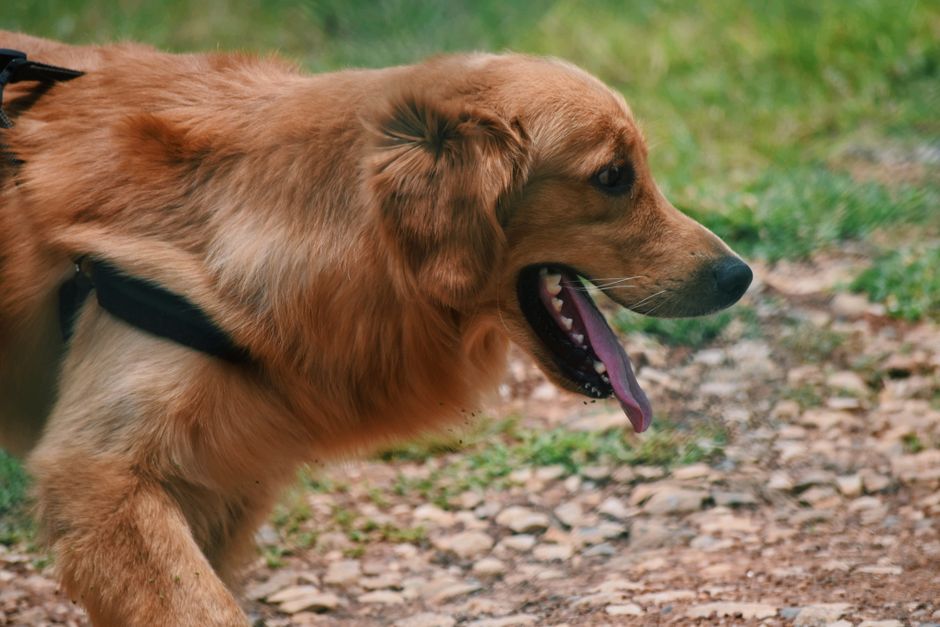
Understanding Normal vs. Excessive Dog Panting
Dogs cool themselves through panting, so some respiratory effort is expected during exercise or warm weather. However, why is my dog panting excessively during rest or mild activity? Normal panting occurs rhythmically with open mouth and relaxed body language. Abnormal panting appears frantic, prolonged, or accompanied by drooling, restlessness, or whining. Age matters too—senior dogs pant more easily due to reduced thermoregulation efficiency. If panting persists for hours without exertion, consult your vet promptly. Understanding the distinction helps you respond appropriately and protect your pet's wellbeing.
Heat Stress: Recognizing Dangerous Symptoms
Excessive dog panting heat stress develops quickly on hot days or during intense activity. Signs include glazed eyes, weakness, vomiting, or collapse. Temperatures above 85°F pose serious risks, with some breeds vulnerable at even lower thresholds. According to veterinary research, heat-related illnesses in dogs spike by over 60% during summer months, making prevention critical. Combat heat stress with our Dog Cooling Vest Beat The Heat Summer Cooling Coat, made from evaporative mesh material and designed for dogs 8-25 lbs. Keep a Portable Dog Water Bottle Leak Proof Travel Dispenser Bowl handy for constant hydration, and provide a Cooling Dog Mat Summer Heat Relief For Hot Pups with BPA-free gel technology for indoor cooling. Never leave your dog in a parked car, even briefly, as interior temperatures can exceed 120°F within minutes.
Health Issues Behind Excessive Panting
Dog panting too much when to worry includes scenarios with fever, heart disease, respiratory infections, or medication side effects. Overweight dogs pant excessively from reduced lung capacity and increased metabolic strain. Anxiety and pain also trigger heavy breathing patterns. Certain medications, including steroids or stimulants, can increase panting as a side effect. Senior dogs may pant more due to cognitive dysfunction or degenerative conditions. If panting accompanies lethargy, appetite loss, behavioral changes, or unusual body postures, seek immediate veterinary care. Your vet can rule out serious conditions through physical examination, bloodwork, or imaging and recommend appropriate treatment tailored to your dog's specific needs.
Comparing Panting Triggers: Quick Reference Guide
| Panting Trigger | Duration | Associated Symptoms | Action Required |
|---|---|---|---|
| Normal Exercise Recovery | 10-20 minutes post-activity | None; relaxed body language | Provide water; observe normal breathing return |
| Heat Stress | Persistent during/after heat exposure | Glazed eyes, drooling, weakness, vomiting | Cool immediately; seek vet if severe |
| Anxiety or Fear | During triggering events (storms, vet visits) | Trembling, pacing, whining, dilated pupils | Provide safe space; consult vet about management |
| Underlying Health Issue | Hours or days; at rest | Lethargy, appetite loss, fever, weight changes | Schedule veterinary examination immediately |
Breed and Age Considerations
Different dog breeds have varying panting tendencies. Brachycephalic breeds—like Bulldogs, Pugs, and Boston Terriers—pant more frequently and heavily because their shortened airways make thermoregulation less efficient. These breeds are especially vulnerable to heat stress and require extra vigilance during warm weather. Large-breed dogs like German Shepherds and Golden Retrievers also tend to pant more than small breeds due to higher body surface area and metabolic demands. Puppies and senior dogs pant more readily as their bodies struggle with temperature control. Young puppies lack fully developed thermoregulation, while older dogs experience declining efficiency in cooling mechanisms. If you own a breed predisposed to excessive panting, proactive cooling strategies and careful monitoring become essential parts of responsible pet ownership.
Prevention and Management Strategies
Preventing excessive panting starts with environmental control. Maintain indoor temperatures between 68-75°F using air conditioning or fans, especially during peak summer hours. Schedule outdoor activities during cooler morning or evening periods, avoiding midday heat. Ensure your dog maintains a healthy weight, as obesity dramatically increases panting frequency and heat sensitivity. Regular grooming removes excess fur that traps heat; however, avoid shaving double-coated breeds, which disrupts natural insulation. Provide constant access to fresh, cool water throughout the day. Consider using wet towels or cooling vests during outdoor adventures. Mental stimulation through indoor enrichment activities reduces stress-related panting, particularly for anxious dogs. If your dog takes medications, discuss potential panting side effects with your veterinarian and explore alternatives if necessary.
When to Seek Immediate Veterinary Care
Contact your veterinarian or emergency clinic immediately if your dog exhibits any of these warning signs: rapid panting that doesn't slow after rest, panting accompanied by pale or blue-tinged gums, difficulty breathing or wheezing sounds, collapse or fainting, repeated vomiting or diarrhea alongside panting, or panting that suddenly develops in a previously calm dog. Nighttime panting, particularly if new or worsening, warrants prompt evaluation as it may indicate heart problems or other serious conditions. Don't delay seeking care for respiratory distress, as conditions like heat stroke, pneumonia, or cardiac issues progress rapidly and can become life-threatening within hours. Your veterinarian can perform diagnostic tests including chest X-rays, electrocardiograms, or bloodwork to identify underlying causes and initiate appropriate treatment protocols.
Frequently Asked Questions
Is panting after exercise normal?
Yes, panting for 10-15 minutes post-exercise is normal as dogs cool down. Panting lasting over an hour or accompanied by weakness suggests overheating and requires cooling interventions.
What's the difference between panting and labored breathing?
Panting is rhythmic and controlled; labored breathing sounds strained, wheezy, or shallow and requires veterinary attention immediately.
Can anxiety cause excessive panting?
Absolutely. Anxious dogs pant heavily during storms, car rides, or unfamiliar situations, often with other stress signals like trembling and pacing.
How can I cool my dog down quickly during heat stress?
Move your dog to shade or air conditioning, offer cool water gradually, apply cool (not cold) wet towels to paws and belly, and contact your vet if panting persists beyond normal recovery time.
Should I be concerned if my senior dog pants more than younger dogs?
Mild increased panting is normal in senior dogs, but sudden increases or panting at rest warrant veterinary evaluation, as it may indicate pain, heart problems, or cognitive dysfunction.

Keep your pup cool and comfortable this summer—explore our summer-cooling collection today.
Related reading: What Temperature Is Too Hot to Walk a Dog? and How to Cool Down a Dog Fast
Read next: Part of our complete Dog Summer Safety Guide. See also How to Keep Your Dog Cool in Summer: 7 Essential Tips and Signs of Heatstroke in Dogs and How to Prevent It.
Want more must-haves your dog & cat will love? Discover them all at Petopia Dreams (petopiadreams.com).
🛍 Shop the gear: Browse our Cooling & Summer collection →
📖 Go deeper: Read our complete guide →