

Dog Puzzle Toys and Mental Enrichment: Why It Matters and What to Buy
Mental stimulation from puzzle toys is as important as physical exercise for dogs — 15 minutes of problem-solving can tire a dog as effectively as a 30-minute walk, and dogs that get regular enrichment show fewer problem behaviours like chewing, barking, and anxiety. If your dog is restless, destructive, or pestering you for attention, the answer is often more mental challenge, not just more exercise.
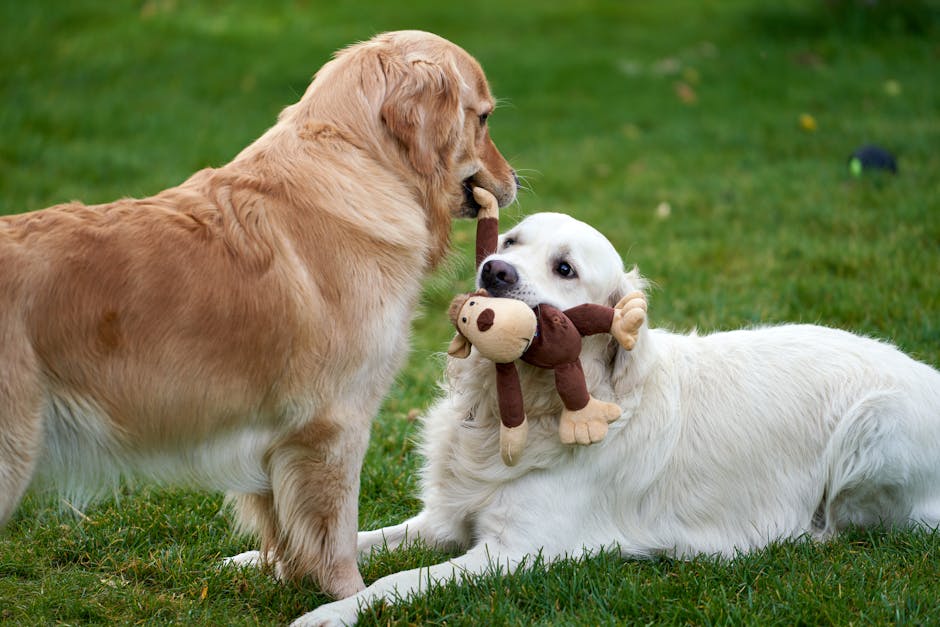
Why dogs need mental enrichment
Dogs evolved to work — hunting, herding, guarding. Modern pet life gives them plenty of walks but very few decisions to make. Boredom creates excess energy that comes out as chewing furniture, barking, or hyperactivity. Puzzle toys give dogs a job to do and a problem to solve.
The science is clear: a study by the American Kennel Club found that dogs without regular mental stimulation are twice as likely to develop destructive behaviours. Your dog's brain needs exercise just as much as their muscles do. When a dog engages with a puzzle toy, their brain releases dopamine — the same reward chemical triggered by successful hunting in the wild. This is why puzzle play feels genuinely satisfying to them, not just like a distraction.
Different breeds have different enrichment needs. A Border Collie or German Shepherd bred for herding and problem-solving may need 30–45 minutes of daily mental work, while a Bulldog might thrive on 15 minutes. Understanding your dog's breed background helps you choose the right level of challenge.
Puzzle feeder toys — the natural starting point
A interactive treat puzzle hides kibble under sliders and in compartments your dog must nudge, lift, and spin to unlock. Start with easier levels and increase difficulty as they learn. A puzzle feeder bowl replaces their normal dinner bowl and makes every meal a training session.
The beauty of puzzle feeders is that they transform routine feeding into enrichment. Instead of wolfing down food in two minutes, your dog spends 10–15 minutes working for their meal. This has multiple benefits: it slows eating (reducing bloat and digestive upset), extends satisfaction, and prevents the restlessness that often follows a quick meal. Many owners find their dogs are calmer in the afternoon after using a puzzle feeder at lunch.
Puzzle feeders come in different difficulty levels, from simple two-slider designs suitable for senior dogs or beginners, to complex multi-level systems that challenge experienced puzzle solvers. Starting easy builds confidence; progression keeps boredom at bay.
Treat-dispensing balls — for active minds and bodies
An adjustable treat dispensing ball rolls unpredictably and drops treats through an adjustable opening. Dogs push it with their nose and paws to release food — combining physical activity with mental problem-solving. Great for high-energy breeds.
These toys are particularly useful for dogs that need constant movement. The unpredictability keeps them engaged longer than static puzzles — they never quite know when the next treat will drop. The adjustable opening means you can make it easier (wider) for beginners or frustration-prone dogs, and tighter for experienced puzzle solvers. Many owners use treat-dispensing balls during outdoor play sessions or yard time to channel restless energy productively.
The rolling motion also triggers natural chase instinct, so your dog gets both mental and physical enrichment simultaneously. This makes treat-dispensing balls excellent for rainy days when outdoor exercise is limited.
Snuffle mats — for scent work
A dog's nose contains 300 million olfactory receptors (vs. 6 million in humans). A snuffle mat hides treats in fleece strips that dogs must root through using scent — engaging their most powerful sense and inducing calm through focused sniffing.
Snuffling is one of the most naturally calming activities for dogs. The focused sniffing and foraging behaviour triggers a parasympathetic response — the nervous system's "rest and digest" mode. This makes snuffle mats ideal for anxious dogs, senior dogs, or dogs recovering from injury who need mental enrichment without physical strain. Many trainers recommend snuffle mats for dogs with separation anxiety, since the focused scent work helps redirect worry into problem-solving.
Snuffle mats are also easy to customize. You can hide kibble, small treats, or even scatter their regular meal throughout the mat for a nose-work feeding experience. They're washable, portable, and work well for dogs of all ages and mobility levels.
3-in-1 feeders — for variety
The 3-in-1 interactive feeder combines a slow feeder bowl, puzzle feeder, and lick mat in one unit — useful if you want variety without buying multiple products.

Comparison of enrichment toy types
| Toy Type | Best For | Mental Effort | Physical Activity |
|---|---|---|---|
| Puzzle Feeder Bowl | Daily meals, all ages | Medium | Low |
| Treat-Dispensing Ball | High-energy dogs, outdoor play | Medium-High | High |
| Snuffle Mat | Anxious dogs, scent work, recovery | Medium | Low-Medium |
| 3-in-1 Interactive Feeder | Dogs needing variety, space-saving | Medium-High | Low-Medium |
Building a rotation schedule
The most effective enrichment strategy is rotation. Introducing the same puzzle toy every single day causes habituation — your dog solves it faster each time until it stops being challenging. A simple rotation keeps novelty alive without buying dozens of toys. For example: puzzle feeder bowl at breakfast, snuffle mat at lunch, treat-dispensing ball during afternoon play, 3-in-1 feeder at dinner. This variety maintains engagement and ensures your dog's brain stays challenged across different types of problem-solving.
Track which toys your dog finds most satisfying and use those on high-energy days. Save simpler toys for recovery days or when you're busy. Over time, you'll develop an intuition for what your individual dog needs.
Frequently asked questions
How long should a dog do puzzle toys?
10–20 minutes per session, once or twice daily. End the session while they're still engaged — stopping before frustration keeps them keen for next time.
Are puzzle toys suitable for puppies?
Yes — start with the simplest level and increase difficulty gradually. Puppies learn fastest between 8 and 16 weeks, so early enrichment has lasting benefits.
What if my dog gives up on a puzzle toy?
The difficulty is too high. Go back to a simpler version and build confidence. Every dog learns at a different pace.
Can puzzle toys help with separation anxiety?
Yes. Snuffle mats and puzzle feeders provide focused mental engagement that can redirect anxiety into problem-solving behaviour, giving your dog something productive to do while you're away.
How do I clean puzzle toys?
Most are dishwasher-safe or hand-washable with warm soapy water. Check the manufacturer's instructions. Regular cleaning prevents mold and keeps toys hygienic, especially for dogs with allergies.
Shop all dog enrichment toys and puzzle feeders.
Read next: Part of our complete Cat Enrichment & Play Guide. See also Slow Feeder Dog Bowls: Benefits, How They Work, and Who Needs One and How to Keep Indoor Cats Entertained: 7 Ways to Prevent Boredom.
Want more must-haves your dog & cat will love? Discover them all at Petopia Dreams (petopiadreams.com).
🛍 Shop the gear: Browse our Toys & Enrichment collection →
📖 Go deeper: Read our complete guide →