

Heated Cat Bed for Garage or Porch: What to Check First
To set up a warm cat bed in a garage or porch, you need a fully insulated, chew-safe heated bed placed away from drafts, elevated off cold concrete, and paired with a waterproof or moisture-resistant base so the heat source stays dry and effective. Garages and porches swing between damp, drafty, and near-freezing conditions depending on the season, so the bed itself has to do more work than an indoor cat bed ever would. Getting the placement, materials, and safety features right the first time prevents the two most common failures: a soaked insulation layer and a cat that avoids the bed entirely because it's in the wrong spot.
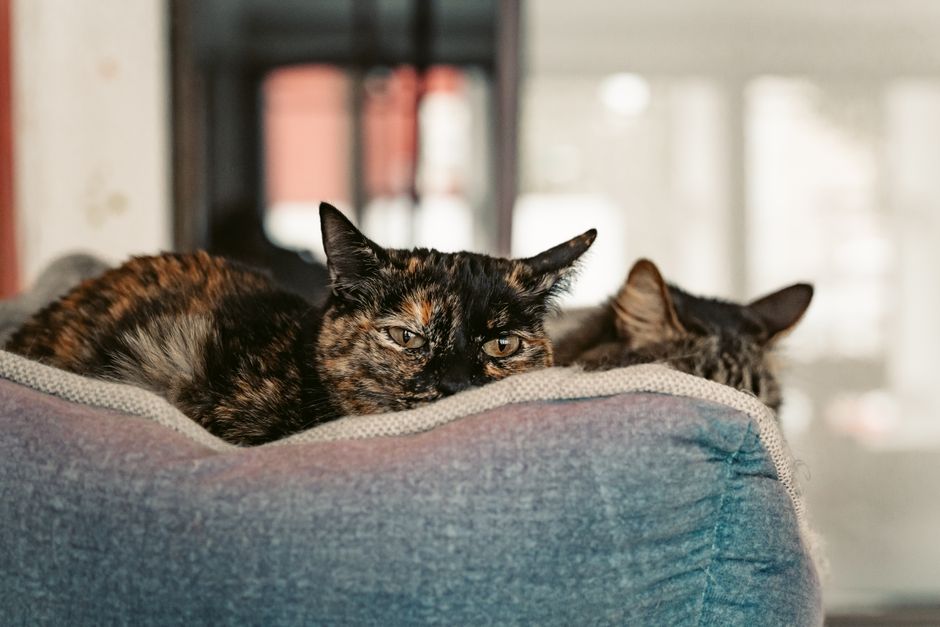
How a heated cat bed actually works in cold spaces
Most heated cat beds marketed for garages or porches rely on one of two heat sources: a low-voltage electric heating pad or a self-warming layer that reflects the cat's own body heat back at them. The Self Heating Dog Cat Blanket uses the second method — a reflective inner layer traps body heat without any cord, which matters in a garage where outlets may be far from where the cat actually sleeps. Electric options need a grounded outlet and a chew-resistant cord sleeve, since garages often have exposed wiring risks like rodents or stored chemicals nearby. Self-warming beds lose some efficiency below roughly 40°F, so in a true outdoor cat bed for winter setup, they work best layered inside an insulated shelter rather than sitting directly on open porch flooring.
Choosing between a cave bed, an open bed, and a self-heating blanket
Cats in unheated spaces prefer enclosed shapes because a covered bed traps their own body heat like a den. The 2 In 1 Cat Cave Bed Cozy Hideaway Converts To Open Nest lets you test both configurations in the same spot before committing, which is useful if you're not sure whether your cat will tolerate a fully enclosed hood. For a heated cat bed for garage use specifically, an enclosed cave design cuts heat loss dramatically compared to an open bed, since the hood blocks cold air currents that move along garage floors. If your porch is partially open to wind, the enclosed shape matters even more — an open bed on a windy porch loses warmth almost as fast as it's generated.
Sizing and fit for outdoor and semi-outdoor use
A bed that's too large for the cat wastes heat on empty space; one that's too small won't let the cat curl into a heat-conserving position. Most heated and self-heating cat beds are sized for cats between 6 and 15 lbs, with interior sleeping diameters around 15-18 inches, which fits the vast majority of adult domestic cats. The Cozy Cat Cave Bed Warm Winter Hideaway For Cats is built with a slightly narrower entrance and deeper hideaway body, which helps retain heat better than wide-mouth designs. If you have multiple outdoor or garage cats sharing a space, size up to a bed rated for 15+ lbs rather than assuming two cats will comfortably share a single-cat-sized bed — overcrowding pushes one cat out into the cold anyway.
Materials that hold up to garage and porch conditions
Material choice determines whether a bed survives one winter or five. Look for a waterproof TPU-coated base or a water-resistant nylon underside, since concrete garage floors and porch decking both wick moisture upward, especially after rain or snowmelt. The outer shell should be tear-resistant nylon or a similarly tough woven fabric — garages often store tools, boxes, or firewood nearby, and thin fleece alone snags easily. Interior insulation should be a dense, low-loft fill rather than thin batting, since thin fill compresses under the cat's weight and stops insulating within weeks. Removable, machine-washable liners matter too, since outdoor and garage beds pick up dirt, dander, and moisture far faster than indoor beds, typically needing a wash every 7-10 days versus monthly for indoor-only beds.
Safety features that actually matter outdoors
For electric heated beds, confirm the heating element is BPA-free and chew-resistant, with a low-wattage design (typically 4-10 watts) that warms without ever getting hot enough to burn skin or ignite nearby debris. Self-heating options avoid the electrical risk entirely, which is why many garage setups default to them. Also check for a low, wide base that resists tipping if bumped by stored items, and stitching reinforced at stress points where cats dig or knead before settling. If the bed will sit on a porch exposed to some weather, a raised or slightly elevated base keeps the sleeping surface off standing water after rain.
Cats lose body heat fastest through uninsulated flooring — concrete alone can pull heat away up to 4x faster than a raised, insulated bed base.
Most self-heating cat beds maintain effective warmth for 4-6 hours per warming cycle before needing the cat to reposition and "recharge" the reflective layer.
Enclosed cave-style beds retain an estimated 25-30% more heat than open, flat beds in the same unheated space.
Placement: where in the garage or porch actually works
Position matters as much as the bed itself. Place the bed against an interior wall rather than an exterior one, since exterior walls run colder and often have more airflow gaps. Avoid direct paths of drafts from garage doors or porch screens — even a well-insulated bed can't compensate for constant moving cold air. Elevate the bed slightly on a thin wood pallet, foam mat, or towel stack rather than setting it directly on concrete or bare decking, since direct floor contact is the single biggest source of heat loss in these spaces. Keep the bed at least a few feet from any vehicle exhaust area if it's in a garage, and away from standing water zones on a porch after rain.
Common mistakes people make with outdoor and garage cat beds
The most frequent mistake is placing the bed directly on cold flooring without any barrier, which cancels out most of the insulation benefit regardless of how good the bed itself is. A close second is choosing an open bed for a drafty space, expecting the cat to simply curl up tighter — cats will instead seek out warmer, less safe spots like near vehicle engines. People also skip checking cord placement for electric options, leaving cords exposed to chewing or moisture. Finally, many owners forget that a heated cat bed for porch use still needs some wind-blocking structure around it; a bed alone, without at least partial shelter from wind, underperforms even with a strong heat source.
Comparing your three main options side by side
Here's how the core choices stack up when narrowing down a heated cat bed for garage or porch use:
| Option | Power source | Best for |
|---|---|---|
| Self Heating Dog Cat Blanket | No power needed | Garages without nearby outlets |
| 2 In 1 Cat Cave Bed | No power, convertible shape | Cats unsure about enclosed spaces |
| Cozy Cat Cave Bed | No power, deep hideaway shape | Windy porches, max heat retention |
Frequently asked questions
Do heated cat beds work in an unheated garage?
Yes, as long as the bed is insulated and elevated off the concrete floor; self-heating designs work especially well since they don't depend on ambient temperature to function.
How often should I wash a garage or porch cat bed?
Every 7-10 days is typical for outdoor and garage beds, compared to monthly for indoor-only beds, since dirt and moisture accumulate faster.
Is an electric heated bed safe in a garage?
It can be if the cord is chew-resistant and kept away from stored chemicals or rodents, but a self-heating, cordless option removes that risk entirely.
What size bed do I need for one cat?
Most single-cat beds fit cats 6-15 lbs with a 15-18 inch interior sleeping area; size up if multiple cats will share the space.
Can I use these beds on an open porch with no walls?
You can, but pair the bed with a windbreak or partial enclosure, since exposed wind cuts heat retention significantly even with a good bed.
Browse the full range of insulated and self-heating options built for cold spaces in our heated cat bed for outdoors collection.
Want more must-haves your dog & cat will love? Discover them all at Petopia Dreams (petopiadreams.com).