

Heated Cat Bed for Outdoors: Safety and Winter Setup Guide
Yes, you can use a heated cat bed for outdoors safely, but only if it is designed specifically for outdoor exposure, uses low-voltage or self-warming (non-electric) heat, and is placed in a dry, wind-sheltered spot. Standard indoor electric heating pads pose fire and shock risks when exposed to moisture, so outdoor setups require waterproof materials, chew-resistant cords, or fully cordless self-heating technology. This guide breaks down exactly what to look for before winter temperatures drop.
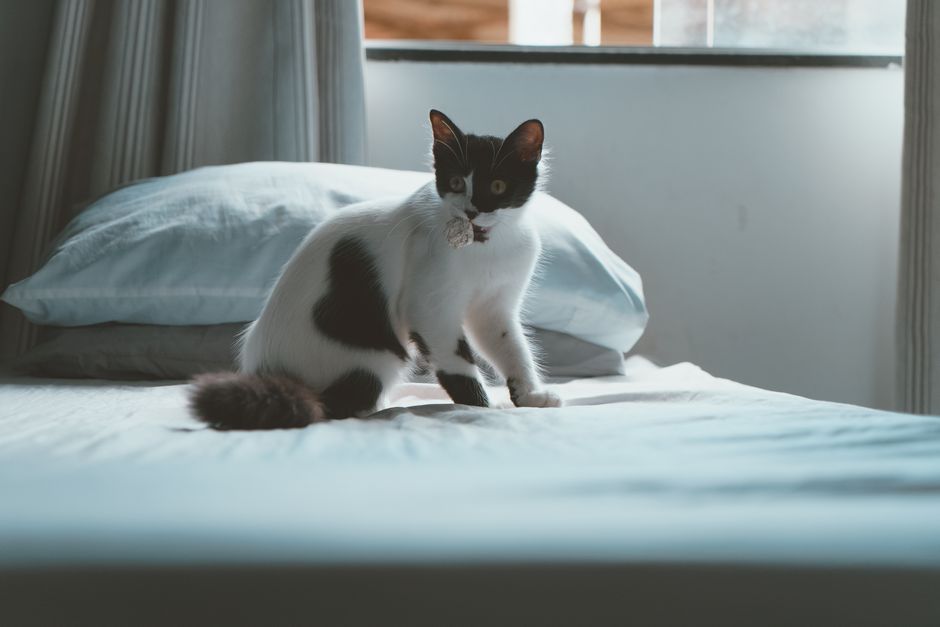
How a heated cat bed for outdoors actually works
Outdoor heated beds fall into two categories: electric-powered and self-warming. Electric models use a low-wattage resistive heating element, typically running 4-12 watts, sealed inside a waterproof shell. Self-warming beds, like the Cozy Self Heating Pet Pad, use a reflective inner layer that bounces the cat's own body heat back, raising surface temperature by roughly 12-16°F above ambient without any electricity. For a true heated cat bed for outside use, the second type is often safer since there's no cord to chew or short out in rain. Both styles work best when the cat's body weight compresses the heat-reflective layer, so bed size matters for efficiency — an oversized bed dilutes heat retention across unused space.
Choosing between electric and self warming cat bed styles
A self warming cat bed is the lower-maintenance, lower-risk option for porches, garages, and barns without outdoor outlets. It requires no power source, has zero fire risk, and works instantly once a cat lies down. Electric options generate more consistent warmth in sub-freezing temperatures but need a GFCI-protected outlet and weatherproof cord covers. If your outdoor space lacks safe electrical access, the Self Heating Dog Cat Blanket layered inside a shelter gives supplemental warmth without any plug. Many owners combine both: a self-warming base layer plus an insulated cave structure for wind protection.
| Feature | Electric Heated Bed | Self-Warming Bed |
|---|---|---|
| Power source | Low-voltage electric, needs outlet | None — body heat reflection |
| Weather risk | Moderate; needs waterproof rating | Low; no shock hazard |
| Warmth in freezing temps | Consistent, thermostat-controlled | Good above 20°F, less below |
| Best use case | Covered patios with outlets | Sheds, garages, feral cat shelters |
Sizing and fit for outdoor cats
Outdoor heated beds should fit snugly, not roomy — a tight fit helps trap body heat and reduces wasted warmth around open edges. Most single-cat outdoor beds measure 18 to 20 inches across and comfortably support cats weighing 4 to 18 lbs, though multi-cat colony setups need wider bases around 24 inches to fit two or three cats huddled together. Enclosed designs like the Cozy Cat Cave Bed Warm Winter Hideaway For Cats add a domed hood that blocks wind chill on three sides, which matters more outdoors than indoors since ambient heat loss is constant. When measuring for fit, add 2 inches to your cat's curled-up diameter rather than their standing length — cats sleep curled in cold weather to conserve heat, and a bed sized for a stretched-out posture will feel oversized and less insulating.
Materials that hold up outdoors
Material choice determines whether a bed survives one winter or five. Look for a waterproof TPU coating on the base layer to block ground moisture and dew, paired with a tear-resistant nylon outer shell that resists claws, chewing, and abrasion from concrete or wood decking. Interior insulation should be BPA-free and non-toxic since outdoor cats chew on bedding more than indoor cats confined to soft furniture. Mesh or vented panels on some designs allow airflow so condensation doesn't build up inside the shell, which otherwise leads to mold. Machine-washable liners are worth prioritizing too, since outdoor beds collect dirt, dander, and debris far faster than indoor ones.
By the numbers:
• Self-warming reflective layers raise surface temperature by 12-16°F above ambient air.
• A properly fitted outdoor bed reduces heat loss through gaps by up to 30% compared to oversized beds.
• Cats lose body heat 2x faster on bare concrete or metal than on insulated fabric bases.
Safety features that matter most outdoors
Outdoor conditions raise the stakes on safety compared to indoor use. If choosing any electric-powered option, confirm it carries a low-voltage rating, chew-resistant cord sheathing, and an automatic shut-off or thermostat that prevents overheating past 102°F — above a cat's normal body temperature range. BPA-free materials matter for outdoor beds since UV exposure and temperature swings can degrade lower-quality plastics faster, releasing odors or chemicals cats may lick. For self-warming beds with no cord at all, the main safety consideration shifts to moisture management: a waterproof base prevents mildew growth that can trigger respiratory irritation. Reflective or high-visibility stitching on the outer shell is a smaller but useful feature if the bed sits in a driveway or near a garage where visibility after dark matters for household members and vehicles.
Placement and winter setup mistakes to avoid
The most common mistake is placing a heated cat bed for outdoors directly on cold ground or concrete without a raised platform underneath — this pulls heat downward and cancels much of the bed's warming effect. Elevate the bed on a wooden pallet, plastic crate, or thick foam board at least 2 inches off the ground. The second mistake is skipping wind-blocking: an open bed in a gusty corner loses heat far faster than one tucked against a wall or inside a three-sided shelter. Third, owners often oversize the bed "for comfort," which as noted earlier actually reduces heat retention. Finally, never use an indoor-only electric pad rated for household use in an exposed outdoor setting — check the product listing specifically for an outdoor or all-weather rating before buying.
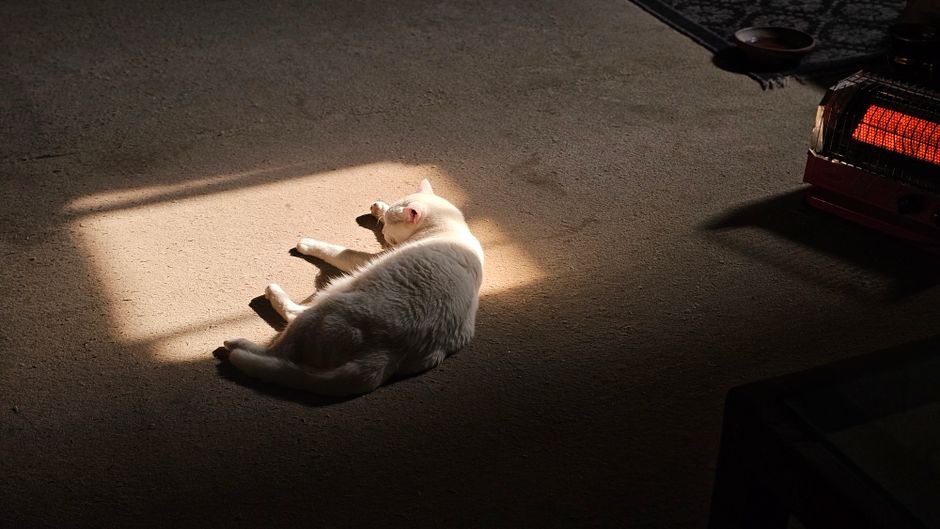
Average heat retention by bed type (higher = warmer for longer)
Self-warming, properly sized
Self-warming, oversized
Electric, sheltered placement
Unheated fabric bed, sheltered
Bars reflect relative overnight heat retention based on fit and shelter placement, not absolute temperature.
Care and maintenance through winter
Outdoor beds need more frequent maintenance than indoor ones because of exposure to dirt, moisture, and pests. Shake out and air-dry the bed weekly, even in cold weather, to prevent trapped moisture from freezing overnight. Wash removable liners every two weeks using a mild, unscented detergent, since fragrance can deter cats from using the bed at all. Inspect seams and zippers monthly for wear, as tear-resistant nylon still weakens under repeated freeze-thaw cycles. For self-warming inserts like the reflective layer inside the self heating dog cat blanket, avoid high-heat drying, which can degrade the reflective coating; low-heat or line drying preserves the heat-bounce effect far longer.
Related reading
Frequently asked questions
Is it safe to leave a heated cat bed outside overnight in freezing temperatures?
Self-warming beds are generally safe overnight since they carry no electrical risk, but electric beds should only be used overnight if rated for continuous outdoor operation and plugged into a GFCI outlet.
Do self-warming cat beds actually get warm without electricity?
Yes, a self warming cat bed uses a reflective inner layer that bounces a cat's own body heat back, typically raising surface warmth 12-16°F above the surrounding air temperature.
What size heated bed does an outdoor cat need?
Most single cats fit a bed measuring 18-20 inches across; multi-cat colonies benefit from a 24-inch base so several cats can huddle together for shared warmth.
Can rain or snow damage a heated cat bed for outside use?
Beds with a waterproof TPU coating and sealed seams resist moisture damage well, but beds without weatherproof ratings should be moved under cover during storms.
How often should I clean an outdoor heated cat bed?
Air it out weekly and wash removable liners roughly every two weeks, since outdoor use collects dirt and moisture much faster than indoor placement.
Browse Petopia Dreams' full heated cat bed for outdoors collection to find a weatherproof, properly sized option before the next cold front hits.
Want more must-haves your dog & cat will love? Discover them all at Petopia Dreams (petopiadreams.com).