

Heated Cat Bed for Senior Cats: Winter Comfort Guide
The best warm bed for senior cats is a heated cat bed for senior cats that combines self-warming, chemical-free heat retention with orthopedic support for stiff joints. As cats age past 10-12 years, roughly 60% develop some degree of arthritis, and their bodies lose the ability to regulate temperature as efficiently as they did in youth. A properly designed self warming cat bed for senior cats addresses both problems at once: gentle, consistent warmth plus cushioned support that eases pressure on aging hips and shoulders.
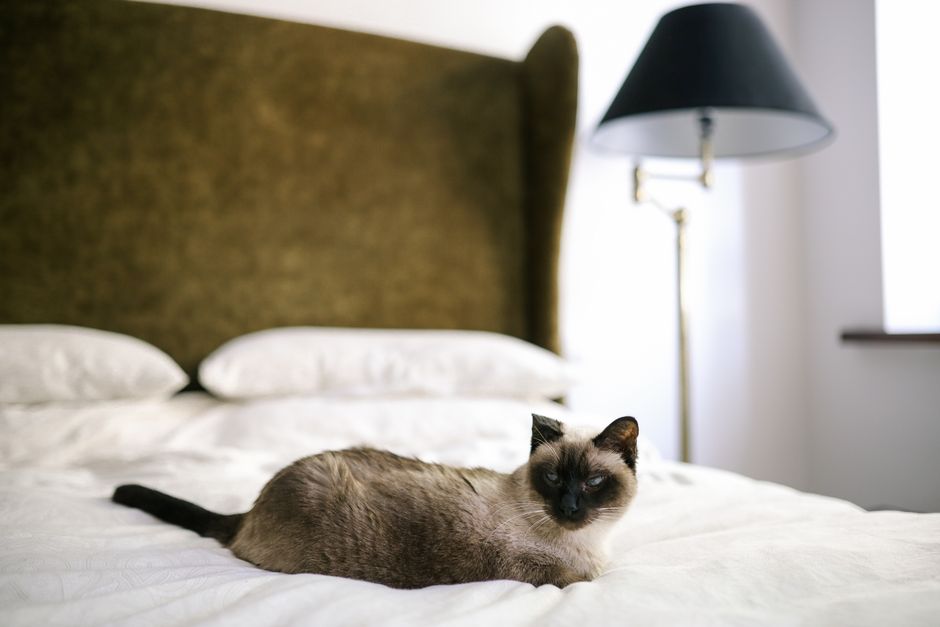
Why senior cats need extra warmth
Older cats lose muscle mass and subcutaneous fat, two of the body's natural insulators. This means a 14-year-old cat can feel cold in a room that a younger cat finds perfectly comfortable. Reduced mobility also means senior cats spend more hours lying still, so they can't generate body heat through movement the way kittens do. A warm cat bed for arthritis matters here because cold, damp joints stiffen faster, making it harder for the cat to get up, stretch, or reach the litter box promptly. Veterinary behaviorists note that cats naturally seek surface temperatures around 102°F, close to their own body temperature, which is why sunspots and heating vents are magnets for aging cats. Products like the Cozy Self Heating Pet Pad mimic that instinctive warmth-seeking behavior indoors, without relying on direct sunlight or a radiator being nearby.
How self-warming beds actually work
Unlike electric heating pads, a genuine self warming cat bed for senior cats uses a reflective inner layer, often a thin thermal film or foil-backed lining, that captures and reflects the cat's own body heat back toward the skin. There's no cord, no plug, and no risk of overheating because the warmth is entirely passive. This makes it a safer long-term option for cats who sleep 16-20 hours a day, since there's zero fire risk and no timer to worry about. The trade-off is that self-heating beds work best in already-heated indoor spaces; they amplify existing warmth rather than generating new heat from nothing. For cats in unheated porches, sunrooms, or garages, a plug-in electric heated cat bed for senior cats is the more appropriate choice, since it can maintain a steady 95-102°F even when ambient room temperature drops into the 50s.
Choosing the right size and fit
Sizing is where many owners get it wrong. A bed that's too large leaves a senior cat without enough contact points to trap heat, while a bed that's too small forces stiff joints into an awkward curl. As a rule, measure your cat nose-to-tail-base while curled and add 3-4 inches for cushioning room. Most senior cat beds fall in the 18-24 inch diameter range and weigh under 2 lbs empty, making them easy to reposition near a favorite window or radiator. The Calming Donut Cat Bed For Indoor Cats Small Dogs uses a raised rim design that lets an arthritic cat lean against a bolster for support while getting up, rather than pushing off flat ground, which reduces strain on front leg joints considerably.
Materials that matter for aging skin and joints
Senior cats often have thinner, more sensitive skin and reduced grooming ability, so bed materials need to be soft, breathable, and easy to clean. Look for tear-resistant nylon or polyester blend outer shells that resist snagging from long claws, paired with a plush, low-pile interior that won't trap loose fur. A waterproof TPU coating on the base layer is valuable for cats with incontinence issues common in advanced age or kidney disease, since it stops moisture from soaking into flooring or furniture. Fill materials should be hypoallergenic and BPA-free, particularly in any self-heating insert, since senior cats spend so many hours in direct, prolonged contact with the material. The Calming Cat Cave Bed With Washable Cushion For Indoor Cats pairs a removable, machine-washable cushion with a semi-enclosed shell, which retains body heat in cold months while still being simple to hygiene-clean between washes, an important detail for cats prone to accidents or shedding.
| Bed Type | Heat Source | Best For | Avg. Weight |
|---|---|---|---|
| Self-heating pad | Reflects body heat | Heated indoor rooms | ~1.2 lbs |
| Donut/bolster bed | Insulation + body contact | Joint support, arthritis | ~1.8 lbs |
| Cave-style bed | Enclosed heat retention | Anxious or cold-sensitive cats | ~2 lbs |
Safety features every senior cat owner should check
Because older cats have less energy to move away from an uncomfortable or overheated surface, safety features aren't optional extras, they're essential. Prioritize beds with BPA-free inner linings, since aging cats may chew or lick bedding more due to anxiety or cognitive decline. Non-slip, rubberized base grips prevent the bed from sliding on hardwood or tile when a cat with reduced coordination climbs in or out. If you're considering any plug-in heated option, confirm it carries low-voltage certification and an auto-shutoff feature, and never use a human heating pad, as these run far hotter than a cat's skin can safely tolerate. Reflective stitching along bed edges also helps you spot your cat in a dim laundry room or basement at night, reducing the risk of accidentally stepping on a senior cat with poor mobility and slower reflexes.
By the numbers:
• Over 60% of cats aged 10+ show radiographic signs of arthritis, per feline health surveys.
• Senior cats sleep 16-20 hours daily, spending most of that time in one warm spot.
• A cat's comfortable resting surface temperature averages close to 102°F, matching core body heat.
Comparing heat retention across bed styles
Not all warm beds trap heat equally well, and for a senior cat, even a small difference in retained warmth affects how quickly they settle down to rest. Enclosed cave-style beds hold heat longest because the surrounding walls block drafts, while flat mats lose warmth fastest since heat escapes upward with no barrier. Bolstered donut beds fall in the middle, offering decent retention along the sides but an open top.
Heat retention comparison (relative score)
Bar length reflects estimated heat retention over a 4-hour rest period in a 65°F room.
Common mistakes owners make with senior cat beds
The most frequent error is placing a heated bed in a high-traffic or drafty hallway, which undermines the entire point of self-warming design. Heat only builds when the bed sits in a stable spot, ideally near where the cat already naps. Another mistake is choosing a bed based on appearance rather than entry height; senior cats with arthritic hips struggle with high bolster walls or deep cave openings, so a low entry threshold matters more than looks. Owners also frequently skip regular washing, letting dander and oils build up, which can irritate sensitive senior skin and trigger mild dermatitis. Finally, many assume one bed style suits every cat, when in reality cats with anxiety respond better to enclosed designs, while cats with severe joint pain often prefer a low, flat entry over an elevated one. Testing placement for a week and observing which spot your cat gravitates toward naturally is far more reliable than guessing upfront.
Caring for a heated or self-warming bed long-term
Regular maintenance keeps a heated cat bed for senior cats both hygienic and functional. Wash removable covers every one to two weeks using a mild, fragrance-free detergent, since senior cats' noses remain sensitive even as other senses decline. Air-dry self-heating inserts rather than machine-drying on high heat, as excessive heat can degrade the reflective lining over several wash cycles. Inspect seams and zippers monthly for fraying, particularly if your cat kneads or scratches before settling, and replace any bed showing exposed foam or torn inner lining promptly, since loose fill material can be a choking hazard if ingested. With reasonable care, a well-made bed should hold its heat-retention properties for 12-18 months of daily use before needing replacement.
Frequently asked questions
Do senior cats really need a heated bed, or is a regular bed enough?
Senior cats benefit significantly from added warmth because reduced muscle mass and slower circulation make them lose body heat faster than younger cats, so a heated or self-warming option is genuinely helpful, not just a luxury.
Is a self-warming bed safe for cats with arthritis?
Yes, self-warming beds are considered one of the safest options for arthritic cats since they use reflected body heat with no electrical components, reducing joint stiffness without any burn or overheating risk.
How do I know if my cat's bed is too hot or too cold?
Check the surface temperature with your hand; it should feel warm, similar to body heat, never hot to the touch, and your cat should settle in within a few minutes rather than repeatedly repositioning.
What size bed is best for an arthritic senior cat?
Choose a bed roughly 3-4 inches larger than your cat's curled measurement with low entry walls, since high bolsters or deep sides make it harder for stiff joints to climb in comfortably.
Can I use a heating pad made for humans on my cat's bed?
No, human heating pads run hotter than what's safe for feline skin and lack pet-specific safety shutoffs, so always choose a bed or insert designed specifically for pets.
Browse Petopia Dreams' full heated cat bed collection to find the right warmth and support level for your senior cat this winter.
Want more must-haves your dog & cat will love? Discover them all at Petopia Dreams (petopiadreams.com).