

Why Does My Dog Pant Constantly? Heat, Anxiety & Health
Dogs pant excessively due to heat, anxiety, exercise, or underlying health conditions—and knowing which cause applies to your dog is essential for their safety. While panting is a natural cooling mechanism for dogs, excessive panting warrants attention to rule out serious issues. Understanding the root cause of your dog's constant panting can mean the difference between a comfortable pet and one experiencing distress or illness.
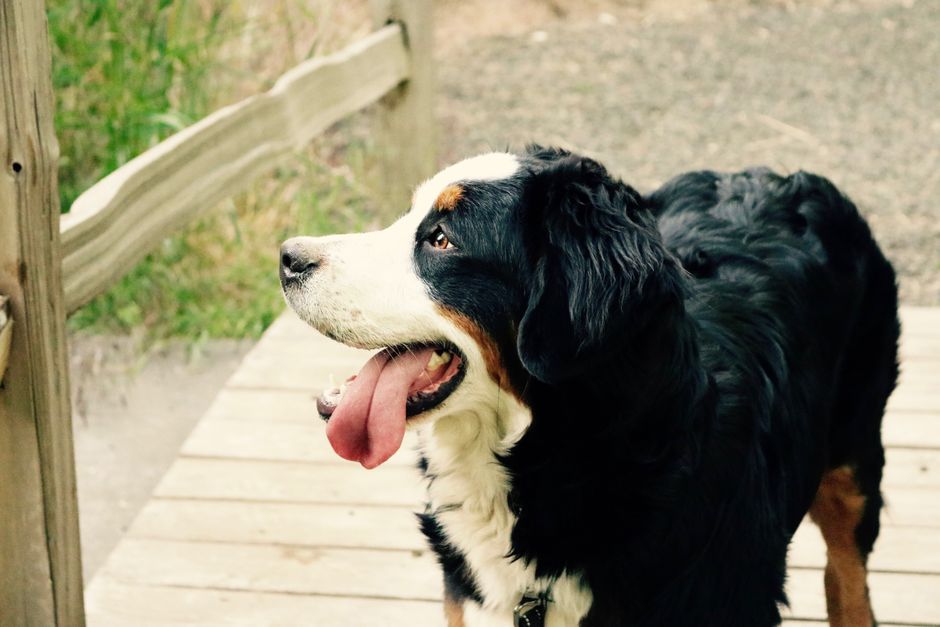
Heat-Related Panting: The Most Common Cause
Why does my dog pant so much during summer? Heat is the primary culprit. Dogs lack sweat glands and rely entirely on panting to regulate body temperature. This physiological response is crucial for their survival, but it also makes them vulnerable to overheating in warm climates. When dogs pant, they evaporate moisture from their tongue, mouth, and respiratory tract, which cools their blood as it circulates through their body.
If your dog spends time outdoors, invest in cooling solutions like our Cooling Dog Vest Beat The Heat Summer Cooling Coat, featuring evaporative mesh technology and weighing just 200g for lightweight comfort. Keep hydration accessible with a Portable Dog Water Bottle Leak Proof Travel Dispenser Bowl during walks and outdoor play. Studies show that approximately 67% of dog owners report increased panting in their pets during summer months, yet only 41% take preventive cooling measures.
During hot weather, your dog's panting rate can increase from a normal 10-30 breaths per minute to 200+ breaths per minute. This accelerated breathing helps dissipate heat but also increases water loss and potential dehydration. Brachycephalic breeds like Bulldogs, Pugs, and Shih Tzus face even greater challenges due to their shortened airways, making heat management particularly critical for these breeds.
Anxiety and Stress-Induced Panting
Dog panting excessively causes also include emotional stress. Thunder, fireworks, separation anxiety, or unfamiliar environments trigger hyperventilation in sensitive dogs. During stressful situations, your dog's body releases adrenaline and cortisol, which elevates heart rate and breathing rate independently of temperature or physical exertion.
Signs of anxiety-related panting include pacing, whining, trembling, and avoidance behaviors occurring simultaneously with rapid breathing. These episodes often happen suddenly and may recur predictably around specific triggers. Creating a safe space with reduced stimulation, playing calming music, or using pheromone diffusers can complement cooling solutions to address both the physical and psychological components of stress-induced panting.
Exercise and Activity-Related Panting
Normal panting after physical activity is entirely healthy and expected. When your dog plays fetch, goes for a run, or engages in active training sessions, their muscles generate heat that must be dissipated. This type of panting should gradually subside within 15-30 minutes after activity ceases, as your dog's breathing rate returns to baseline.
During exercise, panting serves a dual purpose: cooling the body and increasing oxygen delivery to working muscles. This is beneficial and necessary for your dog's cardiovascular health. However, it's important to monitor your dog during and after intense activity, especially in warm weather, ensuring adequate water breaks and shade availability. High-humidity environments make cooling through panting less efficient, so exercise during cooler parts of the day and watch for signs of overheating.
When to Contact Your Veterinarian
Is excessive dog panting normal if it occurs at rest, in cool environments, or alongside lethargy, drooling, or vomiting? No—these signs suggest illness. Conditions like fever, heart disease, respiratory issues, or pain cause abnormal panting. Always consult your vet if panting behavior changes suddenly or seems unrelated to temperature or exercise.
Medical conditions that produce excessive panting include:
| Condition | Associated Symptoms | Urgency Level | Additional Notes |
|---|---|---|---|
| Heart Disease | Lethargy, weakness, fainting, coughing | High Priority | Requires cardiac examination and diagnostics |
| Heatstroke | Excessive drooling, gums darker than normal, vomiting | Emergency | Requires immediate cooling and veterinary care |
| Respiratory Disease | Coughing, nasal discharge, wheezing | Moderate Priority | May require X-rays or blood work |
| Pain or Illness | Reluctance to move, behavioral changes, fever | Moderate Priority | Thorough physical examination recommended |
Older dogs, overweight dogs, and breeds with flat faces are at higher risk for heat-related complications. Don't wait to contact your veterinarian if your dog shows persistent panting combined with any of these warning signs. Early intervention can prevent serious complications and provide peace of mind.
Practical Management Strategies
Preventing excessive panting starts with environmental control. Ensure your dog has constant access to fresh, cool water in shaded areas. Use ceiling fans or air conditioning to maintain comfortable indoor temperatures. Avoid leaving your dog in parked cars, even with windows cracked, as interior temperatures can exceed safe levels within minutes.
Consider the timing of your dog's daily activities. Schedule walks and outdoor playtime during cooler morning and evening hours, avoiding peak heat between 10 AM and 4 PM. Provide access to cool surfaces like tile floors or cooling mats during hot days. Groom your dog regularly to maintain coat health and ensure proper air circulation, though be cautious about shaving double-coated breeds too short, as their coats provide insulation against both heat and sunlight.
Choosing the Right Cooling Products
Frequently asked questions
Question: How can I tell if my dog's panting is normal?
Normal panting occurs after exercise or in warm weather and returns to baseline quickly; abnormal panting persists without obvious triggers, occurs during rest in cool environments, or accompanies other symptoms like lethargy or behavioral changes.
Question: What temperature causes dangerous panting?
Dogs struggle above 75°F, especially brachycephalic breeds like Bulldogs and Pugs. At temperatures above 85°F, even healthy dogs face significant heatstroke risk, making cooling products and environmental management essential during summer months.
Question: Can anxiety medication help excessive panting?
Yes, your vet may recommend behavioral training or medication for anxiety-related panting alongside environmental management, desensitization training, and calming products like our cooling comfort collar that reduces stress responses.
Question: How long should I let my dog pant after exercise?
Your dog's breathing should gradually return to normal within 15-30 minutes after moderate exercise, or up to 45 minutes after intense activity. If panting persists longer or seems excessive, allow additional rest time and ensure water access.
Question: When should I be concerned about panting at night?
Nighttime panting at rest may indicate pain, fever, anxiety, or underlying health conditions. If your dog typically sleeps quietly but has recently started panting during sleep, schedule a veterinary examination to rule out medical issues.

Related reading: What Temperature Is Too Hot to Walk a Dog? and Early Signs Your Dog Is Overheating
Read next: Part of our complete Dog Summer Safety Guide. See also How to Keep Your Dog Cool in Summer: 7 Essential Tips and Signs of Heatstroke in Dogs and How to Prevent It.
Want more must-haves your dog & cat will love? Discover them all at Petopia Dreams (petopiadreams.com).
🛍 Shop the gear: Browse our Cooling & Summer collection →
📖 Go deeper: Read our complete guide →