

Why Does My Dog Pant at Night? Causes & When to Worry
Dogs pant at night mainly because of overheating, anxiety, pain, or a lingering medical condition like heart or respiratory disease, and occasional light panting during dreams is normal. If the panting is heavy, rapid, or paired with restlessness, drooling, or reluctance to settle, it's worth investigating further. Understanding the pattern helps you tell the difference between a warm bedroom and a genuine health concern.
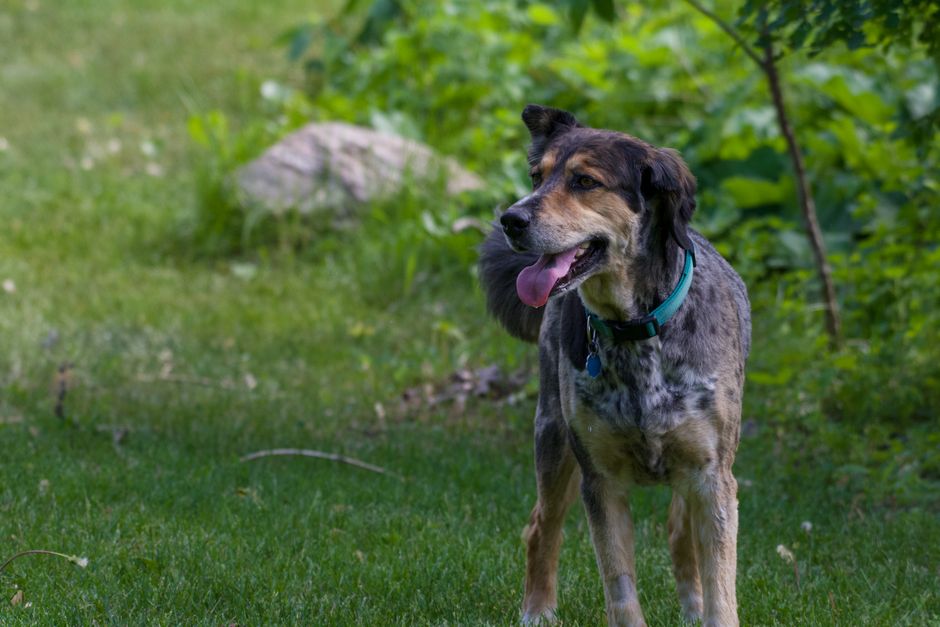
Why does my dog pant at night: the most common triggers
When owners ask why does my dog pant at night, the answer usually comes down to four overlapping factors: ambient temperature, emotional stress, physical discomfort, and normal REM-sleep twitching. Bedrooms often run warmer than daytime living spaces once heating kicks in or windows are closed, and a dog's only real cooling mechanism is panting since they don't sweat through their skin. Dogs with anxiety, noise sensitivity, or separation issues may pant as a stress response even while lying down. Older dogs or those with joint pain often pant because lying still amplifies discomfort. Distinguishing between these causes starts with observing timing: panting that begins right after lights-out and eases once the room cools points to heat, while panting that spikes during thunderstorms or when you leave the room points to anxiety. Tracking these patterns for a week gives you (and your vet, if needed) real data instead of guesswork.
Excessive dog panting at night causes: heat and airflow problems
Overheating is the single most preventable cause of nighttime panting. Dogs regulate body temperature primarily through panting and paw pads, so a bedroom above 72°F combined with a plush bed can trap heat against their body all night. Breeds with thick double coats or flat faces (pugs, bulldogs, huskies) are especially prone to this. A Dog Cooling Mat Summer Heat Relief For Hot Pups uses a pressure-activated gel layer that draws heat away from the body without electricity, and it works well placed directly under a dog's usual sleeping spot. For dogs that overheat mid-walk before bed and carry that heat into the night, a Cooling Dog Vest Sweat Absorbing Summer Shirt For Dogs made from evaporative mesh can bring core temperature down faster during evening walks, reducing residual panting once they're settled indoors. Simple airflow fixes—a fan, lighter bedding, or a cooler room temperature—often resolve mild cases within a night or two.
Dog panting while sleeping solutions: anxiety and stress management
Not every nighttime panting episode is about temperature. Separation anxiety, storm phobia, and general nervousness commonly show up after dark when the house is quiet and a dog's senses are more attuned to small sounds. Anxious panting is usually shallow, rapid, and paired with pacing, whining, or clinginess before bed. Weighted, snug-fitting garments can help by applying gentle, constant pressure similar to swaddling. The Dog Anxiety Jacket Calming Warm Vest For Nervous Dogs is built from soft, tear-resistant nylon with a snug wrap design that many owners use specifically at bedtime for dogs that struggle to settle. Pairing the vest with a consistent wind-down routine—dimmed lights, a chew toy, and a fixed bedtime—reinforces the calming signal over repeated nights. If panting only appears during fireworks season, storms, or after a household change, anxiety is very likely the primary driver rather than a medical issue.
Comparing common causes side by side
| Cause | Typical Signs | Best First Step |
|---|---|---|
| Overheating | Panting eases when room cools | Cooling mat, lower thermostat |
| Anxiety/Stress | Pacing, whining, clingy behavior | Calming vest, routine |
| Pain/Joint issues | Panting worsens when lying flat | Vet exam, orthopedic bedding |
| Cardiac/Respiratory | Panting at rest, blue-tinged gums | Same-day veterinary care |
How common is nighttime panting by cause
Reported triggers behind nighttime panting cases seen by vets and behaviorists
Overheating
Anxiety/Stress
Pain/Joint issues
Cardiac/Respiratory
Heat-related discomfort accounts for the largest share of nighttime panting complaints, followed closely by anxiety-driven episodes.
Choosing the right cooling or calming product: material and sizing matter
Product fit determines whether a cooling or calming aid actually works. Cooling mats and vests should use materials that genuinely conduct or evaporate heat—look for waterproof TPU coating on gel mats so they don't leak onto bedding, and evaporative mesh panels on vests so airflow reaches the skin rather than trapping moisture. Sizing is equally critical: a mat or vest that's too small won't cover enough surface area to lower body temperature, while one too large shifts around and loses contact. Most cooling and calming products are built to fit dogs 8-25 lbs in small-to-medium sizing, with larger runs available for bigger breeds—always check the brand's chart against your dog's chest girth, not just weight. A properly fitted anxiety vest should feel snug like a firm hug, not restrictive, and should never compress the ribcage enough to affect breathing.
Safety features and health considerations to check before buying
Beyond comfort, safety details separate a well-made product from a risky one. Look for BPA-free materials in any cooling mat your dog might chew on, since gel-filled mats are occasionally nipped by curious dogs. Anxiety vests should include a harness access port so you can clip a leash without removing the garment, useful for dogs that pant from anxiety during late-night bathroom trips. Weight matters too: a genuinely lightweight design, often around 200g lightweight for small-to-medium builds, prevents the product itself from adding heat retention or bulk that could worsen panting. Avoid vests with heavy padding marketed for cold climates if your dog's issue is heat-related; using the wrong seasonal product is a common reason owners feel a purchase "didn't work" when really it was mismatched to the actual cause.
By the numbers:
Normal canine respiratory rate at rest is 15–30 breaths per minute; sustained panting above this at night warrants attention.
Brachycephalic breeds are up to 3x more likely to show heat-related nighttime panting than long-nosed breeds.
Bedroom temperatures above 75°F are linked to noticeably higher rates of restless, panting sleep in dogs.
Common mistakes owners make with panting dogs at night
The most frequent mistake is assuming all panting is behavioral and skipping a vet visit when red flags are present—labored breathing, pale or bluish gums, or panting that doesn't stop even in a cool room needs same-day evaluation, not a wait-and-see approach. Another mistake is layering too many warming blankets on anxious dogs, which can actually trigger overheating panting that's mistaken for continued anxiety. Owners also often resize products incorrectly, buying based on breed stereotypes rather than actual measurements, leading to ill-fitting cooling mats or vests that underperform. Finally, many people change multiple variables at once—new food, new bedding, new room—making it impossible to identify what actually fixed or worsened the panting. Isolate one change at a time and give it two to three nights before judging results.
Frequently asked questions
Is it normal for dogs to pant a little during sleep?
Yes, brief light panting during REM sleep or dreaming is normal and usually stops within a minute or two.
Why does my dog pant at night but not during the day?
This usually points to a warmer bedroom, anxiety triggered by nighttime quiet, or discomfort that becomes more noticeable when lying still.
When should I take my dog to the vet for nighttime panting?
See a vet if panting is heavy, doesn't stop after cooling the room, or comes with pale gums, coughing, or lethargy.
Can anxiety alone cause heavy panting at night?
Yes, separation anxiety and noise phobias frequently cause rapid, shallow panting even in a cool, comfortable room.
Do cooling mats actually help with panting?
Yes, gel-based cooling mats with waterproof TPU coating can lower a dog's surface temperature within minutes, often reducing heat-driven panting quickly.
Explore Petopia Dreams' full range of cooling and calming essentials in our for-dogs collection to help your pup sleep through the night comfortably.
Related reading: Why Does My Dog Pant Constantly? Heat, Anxiety & Health and What Temperature Is Too Hot to Walk a Dog?
Want more must-haves your dog & cat will love? Discover them all at Petopia Dreams (petopiadreams.com).