

Why Is My Dog Panting Excessively? Health & Behavior Guide
Excessive panting in dogs when it's not hot outside typically indicates anxiety, pain, or an underlying health condition rather than temperature regulation. Understanding the root cause helps you provide appropriate care and comfort for your furry friend.
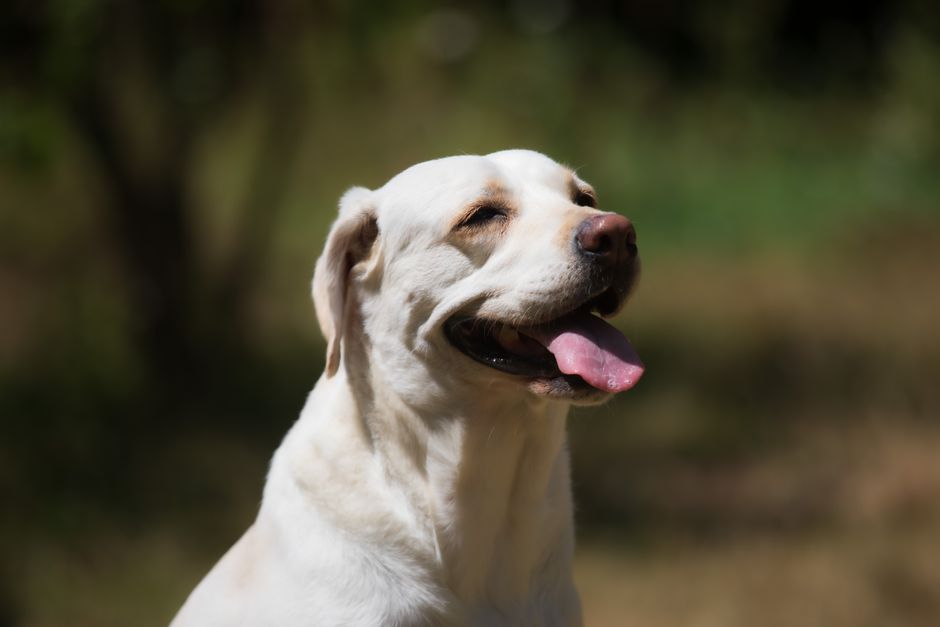
Common Causes of Excessive Panting
Why is my dog panting excessively? The reasons vary widely and depend on numerous physical and emotional factors. Anxiety and stress are leading culprits, especially during thunderstorms, fireworks, or separation from owners. Pain from arthritis, injuries, or dental issues can trigger constant panting as your dog's body responds to discomfort. Respiratory conditions, heart disease, and hormonal imbalances also cause dog panting when not hot. Research indicates that approximately 40% of dogs experience some form of anxiety disorder, making stress-related panting one of the most common concerns pet owners face. If panting persists for hours without obvious triggers, consult your veterinarian to rule out medical issues. Our Dog Anxiety Jacket Calming Warm Vest For Nervous Dogs provides gentle compression support, featuring BPA-free materials and a lightweight 200g design that fits dogs 8-25 lbs, helping anxious pups stay calm during stressful situations.
Behavioral and Environmental Factors
Dog panting when not hot often signals emotional distress rooted in behavior rather than medical conditions. Excitement, fear, and nervousness trigger rapid breathing in dogs as their sympathetic nervous system activates. Environmental factors like poor air quality, altitude changes, or excessive indoor heating can contribute to excessive panting in dogs causes. Additionally, humidity levels and inadequate ventilation compound respiratory challenges. Monitor your dog's panting patterns meticulously and note what activities precede episodes—this information proves invaluable when discussing symptoms with your veterinarian. Keep your home well-ventilated and maintain consistent temperatures between 65-75°F for optimal comfort. The Cooling Dog Bandana Instant Chill Summer Scarf uses evaporative mesh technology to regulate body temperature, weighing just 50g and featuring a reflective strip for safety during walks, making it an excellent companion for dogs prone to overheating anxiety.
Medical Conditions Associated with Panting
Several serious health conditions manifest through excessive panting, requiring prompt veterinary attention. Congestive heart failure causes rapid, shallow breathing as the heart struggles to pump efficiently. Cushing's syndrome, a hormonal disorder, frequently presents with constant panting alongside weight gain and hair loss. Respiratory infections, pneumonia, and pulmonary edema all produce labored breathing patterns. Fever from infections, whether bacterial or viral, triggers compensatory panting as the body attempts temperature regulation. Anemia reduces oxygen-carrying capacity in the blood, forcing increased breathing rates to meet cellular oxygen demands. Medication side effects from certain prescriptions can also cause excessive panting, making it essential to review all medications with your veterinarian if symptoms develop after starting new treatments.
Comparison of Panting Triggers and Responses
| Panting Cause | Typical Duration | Associated Symptoms | Recommended Action |
|---|---|---|---|
| Exercise/Heat | 5-30 minutes post-activity | None; stops with rest | Provide water and cool environment |
| Anxiety | Hours during triggers | Trembling, pacing, avoidance | Use calming aids; consult trainer |
| Heart Disease | Persistent, worsens over time | Lethargy, coughing, weakness | Immediate veterinary evaluation |
| Pain/Arthritis | Intermittent or constant | Limping, reduced mobility, restlessness | Vet exam and pain management plan |
When to Seek Veterinary Help
Sudden onset excessive panting warrants professional evaluation without delay. Signs of distress, drooling, foaming at the mouth, or significant behavioral changes accompany concerning panting episodes that demand immediate attention. Your vet can perform comprehensive tests including chest radiographs, blood work, and electrocardiograms to identify underlying conditions like thyroid disease, heart problems, or medication side effects. Early intervention prevents complications and improves your dog's quality of life significantly. Emergency veterinary care becomes necessary if your dog pants heavily while unable to cool down, shows collapse, or displays signs of choking. Keep your veterinarian informed about any patterns you notice—the frequency, intensity, and circumstances surrounding panting episodes all contribute valuable diagnostic information.
Comfort Strategies and Prevention
Creating a supportive environment helps minimize excessive panting episodes in susceptible dogs. Maintain cool spaces with adequate shade and proper ventilation throughout your home. Provide multiple water bowls positioned in different areas to encourage hydration without requiring excessive movement. Establish consistent daily routines to reduce anxiety triggers and create predictability your dog finds comforting. Regular exercise improves cardiovascular health and mental wellbeing, though timing matters—avoid intense activity during peak heat hours. Consider using calming supplements or products designed specifically for anxious dogs. The Dog Anxiety Jacket Calming Warm Vest For Nervous Dogs remains an excellent investment for dogs with anxiety-related panting, while the Cooling Dog Bandana Instant Chill Summer Scarf provides supplementary thermal regulation. Explore our anxiety collection for comprehensive solutions tailored to your dog's specific needs.
Frequently Asked Questions
Is panting always a sign of overheating?
No. While heat triggers panting, anxiety, pain, illness, and emotional stress also cause excessive breathing regardless of environmental temperature or physical activity level.
Can anxiety cause constant panting?
Yes, anxious dogs pant frequently as a stress response, especially during loud noises, thunderstorms, fireworks, or when separated from their owners, and this behavior can persist for hours.
What's the difference between normal and excessive panting?
Normal panting after exercise stops quickly within 5-30 minutes; excessive panting persists without activity and often accompanies other symptoms like restlessness, drooling, or behavioral changes.
Should I be concerned if my dog pants while sleeping?
Occasional panting during dreams is normal, but frequent or labored panting during rest periods warrants veterinary evaluation as it may indicate pain, respiratory issues, or heart problems.
How can I help my dog stop panting from anxiety?
Use calming products like anxiety jackets, establish consistent routines, provide safe spaces, practice gradual desensitization to triggers, and consult your veterinarian about appropriate interventions or behavioral training.
Explore our complete pet-wellness collection to find solutions that support your dog's comfort and wellbeing. Your dog's health and happiness deserve comprehensive care tailored to their individual needs.
Related reading: How to Tell If Your Dog Is Overheating and How to Calm an Anxious Dog
Read next: Part of our complete Dog Summer Safety Guide. See also How to Keep Your Dog Cool in Summer: 7 Essential Tips and Signs of Heatstroke in Dogs and How to Prevent It.
Want more must-haves your dog & cat will love? Discover them all at Petopia Dreams (petopiadreams.com).
🛍 Shop the gear: Browse our Cooling & Summer collection →
📖 Go deeper: Read our complete guide →